

Exclusive Team Member
EXPERT MEMBERSSatisfied Clients
TRUSTED PEOPLEOur Local & Global Stores
GLOBAL PARTNERMonthly production capacity
Ton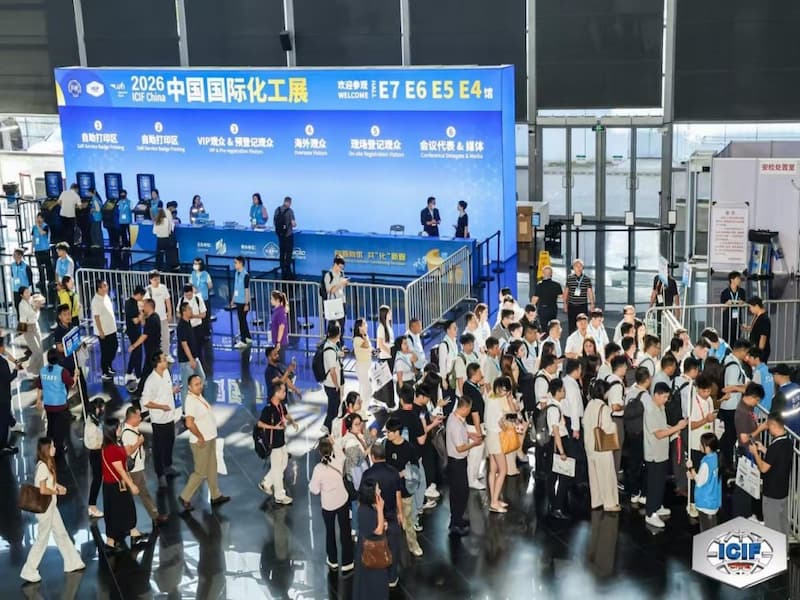
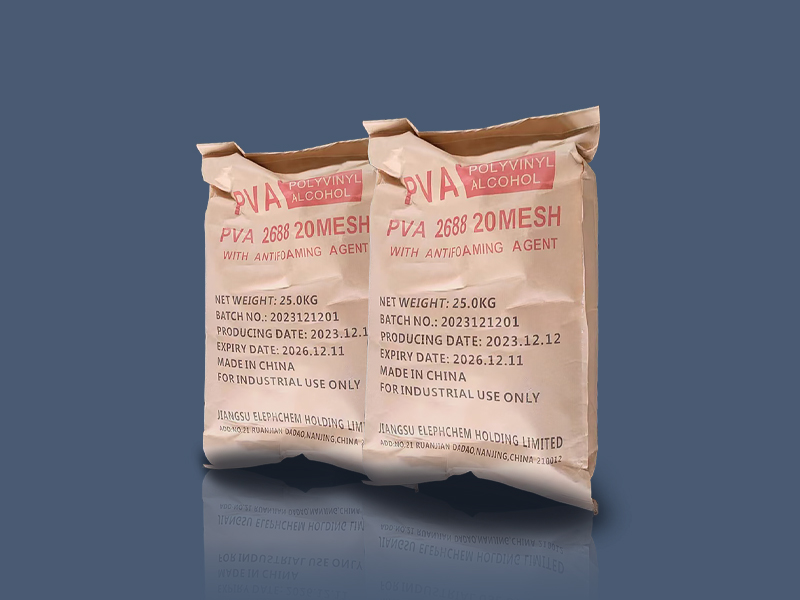
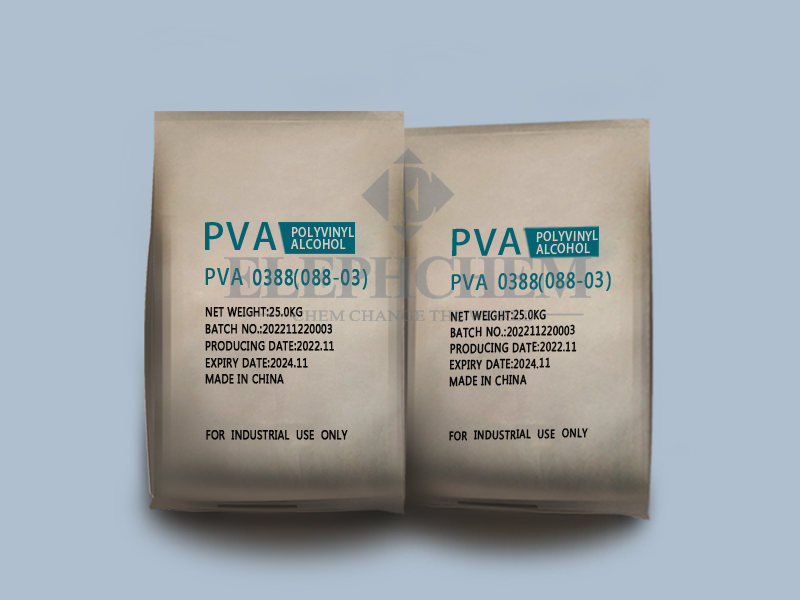
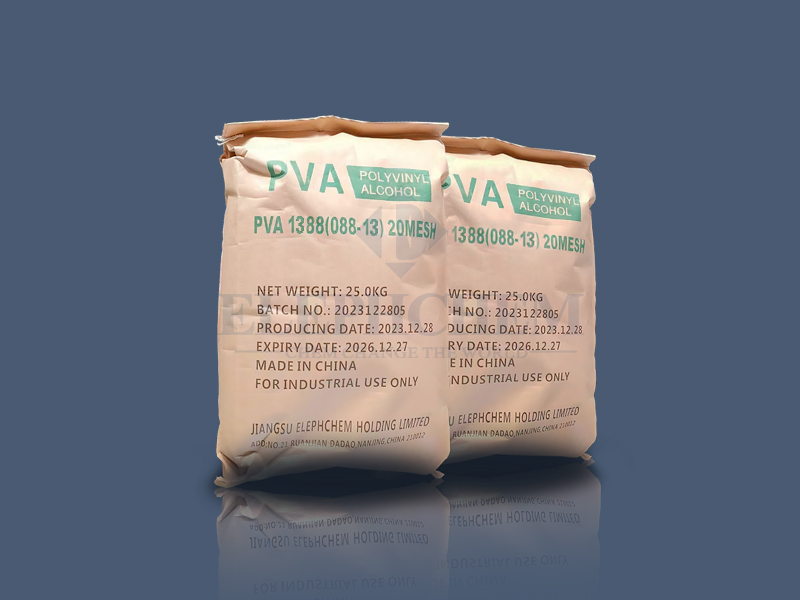
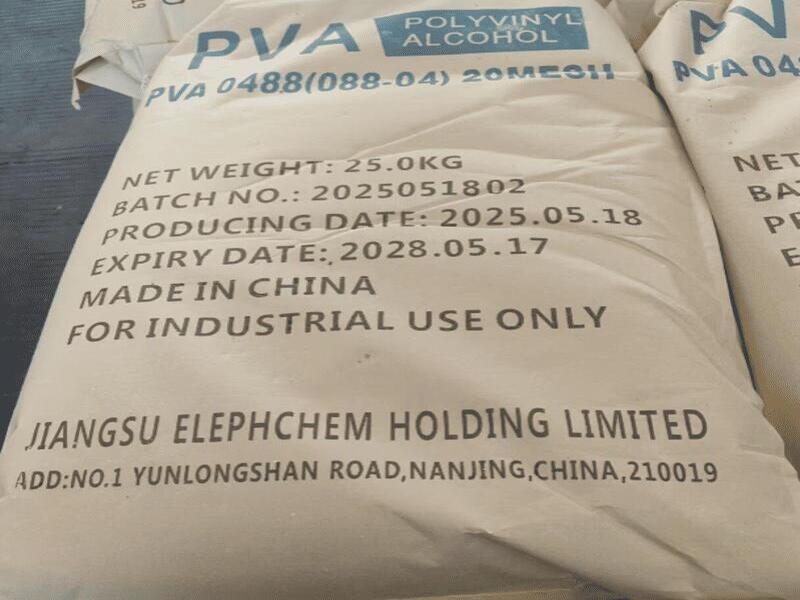
The 23rd China International Chemical Industry Fair (ICIF China 2026) was successfully held from September 15 to 17, 2026, at the Shanghai New International Expo Centre. As one of the largest chemical industry exhibitions in Asia, ICIF 2026 served as a vital platform for showcasing cutting-edge innovations, establishing strategic partnerships, and shaping the future of global chemical supply chains. During the event, JiangSu ElephChem Holding Limited presented its comprehensive portfolio of specialty polymers, industrial resins, and functional chemical solutions to international buyers and industry peers. 1.Full-range Specialty Polymers & Resins JiangSu ElephChem Holding Limited supplies a complete portfolio of high-performance polymers and functional chemical materials, including Polyvinyl Alcohol (PVA), Polyvinyl Butyral (PVB), Vinyl Acetate-Ethylene (VAE) emulsions, Ethylene Vinyl Acetate (EVA), Chloroprene Rubber, and specialized resin systems. Our core product lines feature ultra-high chemical purity, controlled viscosity, and exceptional stability, making them well suited for both bulk industrial procurement and high-end specialized manufacturing. Customized solutions for practical operating conditions are also available. We can tailor dissolution rates, adjust physical form and packaging specifications according to customers’ feeding practices, and optimize technical indices for specific manufacturing processes, ensuring seamless integration between raw materials and downstream production. 2. Multi-sector Application Compatibility, Empowering Green Building Industries Driven by industrial refinement and green upgrading, specialty polymers and functional resins are gaining growing application value in construction materials, safety glass, textile auxiliaries, industrial adhesives, coatings, and green chemical synthesis. In architectural and safety glass manufacturing, PVB resins deliver superior optical transparency and interlayer adhesion strength, directly determining safety performance and finished-product yield. In modern construction and dry-mix mortars, VAE emulsions and dispersible polymer powders provide outstanding flexibility, cohesion, and water resistance. As eco-friendly binder and film-forming systems, PVA and specialty resins serve as key functional components in paper making, textile sizing, and high-performance adhesives. 3. Global Supply Capacity and Compliant International Logistics Assurance As a prominent exporter of specialty polymers and industrial chemicals, JiangSu ElephChem Holding Limited enforces full-chain quality and compliance management covering production, warehousing, hazard handling, and shipping, ensuring traceable whole-process management from raw-material testing to global seaport outbound delivery. Equipped with complete export qualifications, Technical Data Sheets (TDS), and Safety Data Sheets (SDS), our products are regularly exported to overseas markets across Southeast Asia, the Middle East, South America, Africa, and CIS regions. We are fully capable of fulfilling large-volume, long-term contract orders for international buyers, delivering sustained and reliable supply chain support for global partners. During ICIF China 2026 at the Shanghai New International Expo Centre, ElephChem met with global industry peers and partners to discuss material applications, process adaptation, and strategic cooperation opportunities. Going forward, leveraging robust manufacturing standards, rigorous quality management, and professional export service capabilities, JiangSu ElephChem Holding Limited will continue to deepen its presence in the specialty chemical sector and underpin the high-quality, sustainable development of the global chemical industry. Website: www.elephchem.com whatsapp: (+)86 13851435272 E-mail: admin@elephchem.com
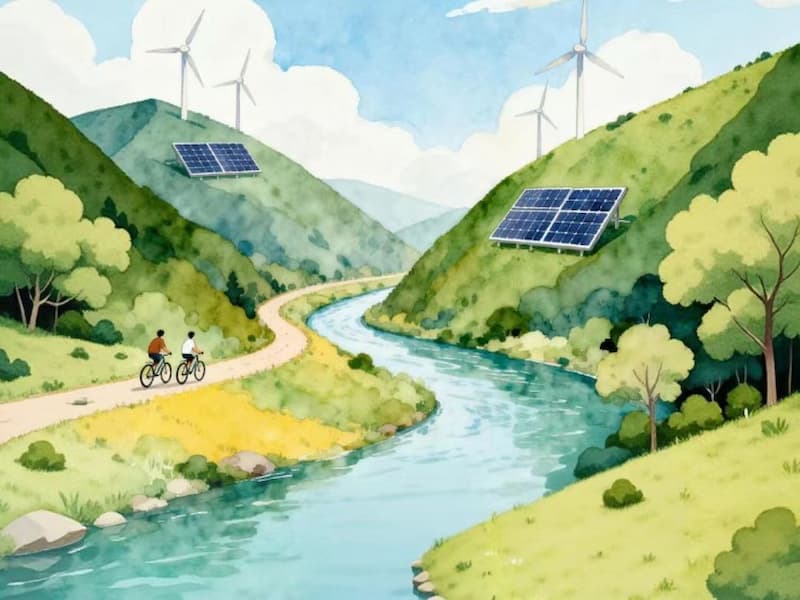
August 15 — The official implementation of the Code on Ecological and Environmental Protection of the People's Republic of China marks a major milestone. As China’s first unified code in the ecological domain, its enforcement systematically enhances systems for environmental protection, pollution prevention, resource conservation, and green, low-carbon development. It establishes a more stable and comprehensive legal framework for plastic pollution control and green material adoption. For Jiangsu ElephChem Holding Limited, a long-standing leader in eco-friendly and high-performance polymer materials, the Code provides clear strategic guidance while creating valuable market opportunities to unleash its core product capabilities. As environmental governance transitions from policy-driven directives toward institutionalized legal standards, plastic pollution management is expanding from source reduction and recycling into full lifecycle sustainability. Consequently, the eco-friendly materials sector is entering a new phase where market competitiveness relies on: Solving real-world environmental challenges; Balancing performance specifications; Delivering scalable commercial deployment. This shift directly aligns with Jiangsu ElephChem’s strategic roadmap. Addressing issues like traditional plastic persistence and non-degradable waste in soil and aquatic environments, Jiangsu ElephChem continues to advance high-performance green polymer solutions—including Polyvinyl Alcohol (PVA), Modified PVA, Ethylene-Vinyl Alcohol Copolymer (EVOH), and VAE Emulsion. These materials offer exceptional water solubility, high barrier performance, thermal stability, and mechanical strength across diverse environmental conditions. As demand grows for verifiable eco-friendliness, multi-scenario adaptability, and industrial scalability, ElephChem’s long-term technical expertise is finding broader market application. Meanwhile, Jiangsu ElephChem is accelerating industrial commercialization across key sectors such as eco-agriculture, marine-safe packaging, smart electronics, and sustainable coatings. Through customized product development, client validation, and large-scale application, its flagship series—including PVA, EVOH, PVB, and EVA—are actively empowering industrial green transitions. Industry analysts note that under stricter ecological regulations, the market is shifting from basic compliance to comprehensive evaluation of material authenticity, technical performance, and application efficacy. While overall market potential expands, technical and manufacturing thresholds are rising. Companies like Jiangsu ElephChem, which possess strong underlying R&D and large-scale manufacturing capacity, are well-positioned to lead this industry evolution. For Jiangsu ElephChem Holding Limited, the implementation of the Eco-Code strengthens the industrial foundation for its sustainable material strategy. Moving forward, ElephChem will continue accelerating product innovation, expanding application scenarios for its advanced polymers, and delivering high-value, green solutions to support plastic pollution reduction and global material transformation. Website: www.elephchem.com whatsapp: (+)86 13851435272 E-mail: admin@elephchem.com
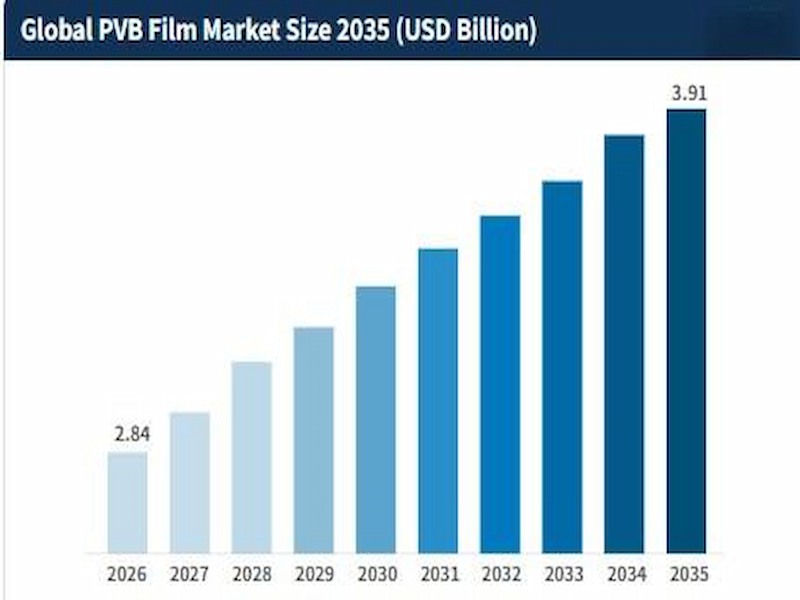
1. PVB Film Market Overview The global Polyvinyl Butyral (PVB) film market is valued at $2.84 billion in 2026 and is projected to reach $3.91 billion by 2035, expanding at a Compound Annual Growth Rate (CAGR) of 3.6%. PVB film is a translucent thermoplastic material produced by extruding plasticized PVB resin, widely used for safety lamination. COVID-19 Impact: The COVID-19 pandemic severely disrupted global markets through strict lockdowns and reduced transport, causing a sharp drop in construction and PVB demand. However, as global economic activity resumed, demand rebounded strongly to pre-pandemic levels. Product Distribution (2024): Standard PVB films accounted for 63% of total output, while high-performance films represented 37%. Regional Dominance: The Asia-Pacific region consumes over 50% of global PVB film, driven by rapid urbanization and concentrated automotive manufacturing. 2. Key Market Drivers & Trends Solar PV Sector Emerges as a Growth Engine PVB is gaining strong momentum in thin-film solar module production. Placed between the circuit and the rear glass plate, PVB protects solar circuits from environmental wear and prevents short circuits. Compared to traditional Tedlar backsheets, PVB offers a lower-cost alternative with superior impact resistance. It also delivers higher optical clarity and stronger cell adhesion than Ethylene-Vinyl Acetate (EVA), attracting substantial clean energy investment. Automotive Glass Safety Standardizations Automotive laminated glass represents 52% of total global PVB demand. Over 90% of vehicles produced worldwide utilize PVB laminated windshields due to regulatory safety standards, UV protection, and structural integrity. Expanding Urbanization & Construction Rising global population and rural-to-urban transformation are boosting building construction worldwide. Standard PVB films are increasingly integrated into architectural windows, glass doors, and structural elements to provide superior protection and shatter resistance. 3. Restraints & Challenges High Manufacturing Costs vs. EVA: Processing Polyvinyl Butyral (PVB) requires high-cost capital equipment, including climate-controlled rooms and autoclaves. Conversely, competing EVA films can be processed in smaller, budget-friendly infrared laminating kilns, leading many small and medium-sized manufacturers to choose EVA over PVB. Raw Material Volatility: Fluctuating raw material prices affect approximately 18% of global PVB film production capacity. Low Recycling Rate: Technical separation challenges mean that currently only 12% of post-consumer PVB-laminated glass is recovered and recycled. Website: www.elephchem.com whatsapp: (+)86 13851435272 E-mail: admin@elephchem.com
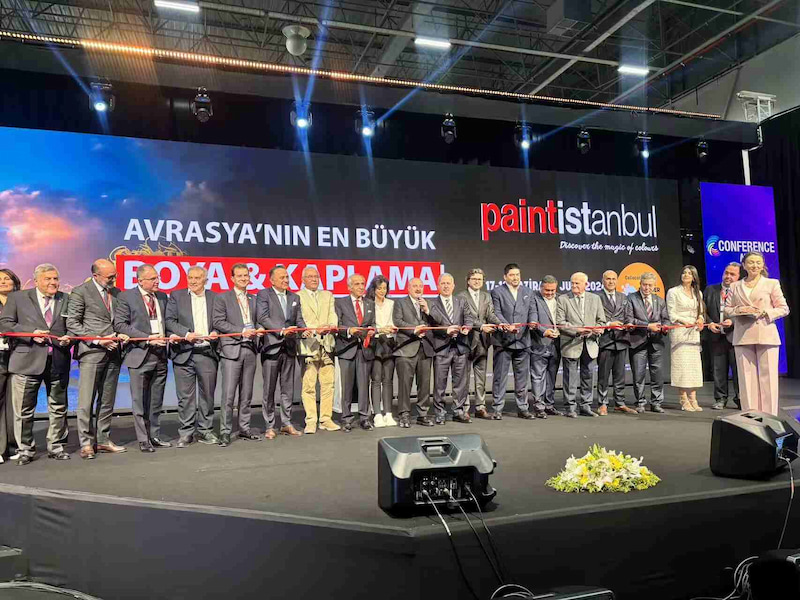
ISTANBUL, Türkiye — Jiangsu ElephChem Holding Limited successfully concluded its participation in PaintIstanbul & Turkcoat 2026, which took place from June 17 to 19 at the Istanbul Expo Center (IFM). As a premier event for the coatings industry in the Eurasian region, the exhibition brought together global manufacturers, raw material suppliers, formulators, and industry professionals from across the entire paint and coatings value chain. During the three-day exhibition, ElephChem welcomed numerous visitors, partners, and industry experts to its booth. The event provided an excellent platform for the company to showcase its latest high-performance chemical raw materials and specialty additives tailored for the paints, coatings, and adhesives industries. A key highlight of Jiangsu ElephChem’s participation was the focus on sustainable development and eco-friendly chemical solutions. In response to the global tightening of environmental regulations and the rising market demand for low-VOC, water-based formulations, the company’s technical specialists engaged in deep-dive discussions with global formulators. By offering tailor-made solutions to specific localized application challenges, the team demonstrated their capability as true "Solution Makers." ✨ Key Portfolio Highlights ElephChem presented its comprehensive portfolio designed to optimize formulation performance, enhance binding properties, and improve durability, featuring: Polyvinyl Alcohol (PVA): High-quality industrial and coating-grade PVA resins offering exceptional adhesion and film-forming properties. VAE Emulsion (Vinyl Acetate-Ethylene Copolymer Emulsion): Environmentally friendly, water-based emulsions providing superior water resistance and structural flexibility. Polyvinyl Butyral Resin (PVB): Premium-grade resins designed to elevate adhesion and surface quality across versatile coating applications. 🤝Fostering Collaboration and Innovation Throughout the event, ElephChem’s technical specialists engaged in profound exchanges with international attendees to discuss emerging market trends, specific formulation requirements, and technical developments. The successful exhibition allowed the company to exchange invaluable insights, explore prospective projects, and reinforce its collaboration with local and global partners. As an international manufacturer committed to innovation and technical expertise, Jiangsu ElephChem Holding Limited continues to empower customers worldwide with sustainable, high-quality chemical solutions. The team extends its gratitude to everyone who visited the booth and looks forward to driving future growth alongside our global partners. Website: www.elephchem.com whatsapp: (+)86 13851435272 E-mail: admin@elephchem.com
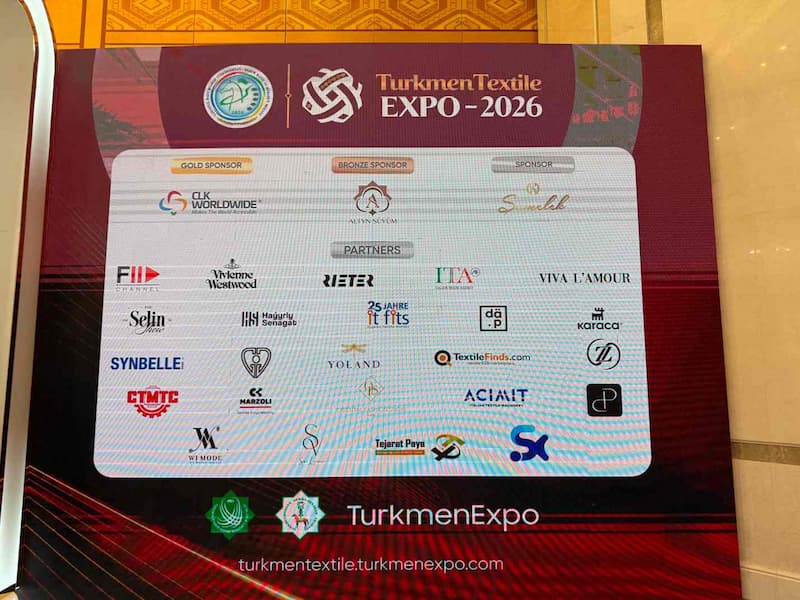
📅 From June 4th to 6th, 2026, the highly anticipated TurkmenTextile Expo 2026 was grandly held in Ashgabat. As a leading global supplier of fine chemicals and raw materials, Jiangsu ElephChem Holding Limited participated in the exhibition with its core textile chemical solutions, demonstrating its innovative technology and profound strength in the field of textile auxiliaries to merchants from Central Asia and around the world.🚀 ✨During the three-day event, ElephChem’s booth attracted widespread attention from numerous top local textile manufacturers, supply chain buyers, and technical experts. Aiming at the booming textile and garment manufacturing demands in Central Asia, the company highlighted several core products: 💧 High-quality Polyvinyl Alcohol (PVA) as a premium warp sizing agent and fabric finishing agent; 🌀Vinyl Acetate Ethylene Emulsion (VAE Emulsion) extensively used in non-woven bonding and carpet backing; 💎And Ethylene-Vinyl Acetate (EVA) tailored for functional fabric lamination and textile hot-melt adhesives. These products won high praise from onsite clients for their excellent stability and eco-friendly properties! 🤝 This exhibition not only deepened ElephChem’s close ties with traditional trading partners in Central Asia but also laid a solid foundation for the company to expand its textile industry footprint along the "Belt and Road". Moving forward, we will continue to uphold the philosophy of "Quality First, Customer Foremost" to deliver more competitive chemical solutions to textile customers worldwide!🌐 🎉 Following the successful conclusion of the TurkmenTextile Expo 2026, the commercial and technical team of Jiangsu ElephChem Holding Limited was invited to pay an onsite visit and hold high-level business talks at the renowned Kaka Textile Complex in Turkmenistan. The visit aimed to further deepen the strategic cooperation between the two parties in the textile raw material supply chain. 🏭 As a leading local textile enterprise characterized by its massive scale and advanced technology, Kaka Textile maintains stringent requirements for raw material quality and environmental standards. Accompanied by the factory directors, the ElephChem team conducted an in-depth tour of their modernized spinning, knitting, and dyeing workshops, and engaged in high-specification technical exchanges regarding the application of chemical auxiliaries in complex textile processes.💬 ✨ This field visit marks not only an important milestone in the win-win alliance between the two enterprises but also powerful evidence of ElephChem’s commitment to deeply rooted operations in the Central Asian high-end textile chain, establishing a benchmark case study for the region!💪 Website: www.elephchem.com whatsapp: (+)86 13851435272 E-mail: admin@elephchem.com
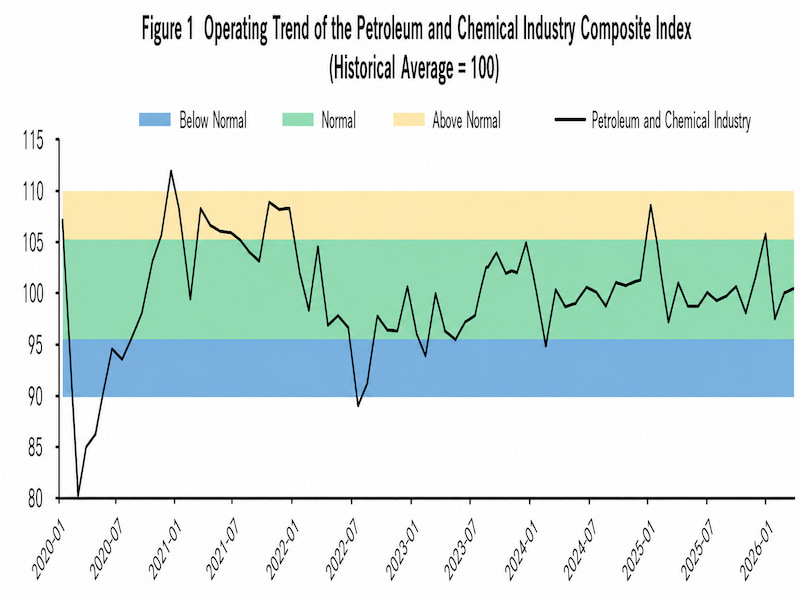
The data for April 2026 is in. The Petroleum and Chemical Industry Prosperity Index ticked up slightly by 0.57 percentage points month-on-month to 99.66. While the overall index suggests stability, a closer look beneath the surface reveals a highly fragmented landscape. The industry is currently navigating a structural adjustment period driven by sustained high crude prices. The traditional "rising and falling in tandem" pattern has shifted. Instead, we are seeing a highly differentiated market dictated by cost-transmission efficiency, pricing power, and inventory strategy: upstream sectors are contracting, midstream players are thriving on smooth cost pass-through, and downstream (Polyvinyl butyral) segments are aggressively destocking. 1. Overview of the Petroleum and Chemical Industry The overall index of 99.66 masks the starkly different realities across the supply chain: 📉 Upstream & Refining: Strategic Production Cuts Oil and Gas Extraction Index: Fell 5.33 percentage points to 91.22 Fuel Processing Index: Fell 2.03 percentage points to 104.18 With international crude hovering comfortably above 90 USD/barrel, upstream profit margins technically improved. However, end-user markets are pushing back against these high prices. To counter weak terminal demand, oil and gas extractors adopted a "control volume to protect price" strategy. Similarly, facing growing refined oil inventories, refineries dialed down their operating rates—shifting focus from chasing high-cost profits to mitigating risk. 📈 Midstream Chemicals: The Sweet Spot Chemical Raw Materials & Manufacturing Index: Surged 6.86 percentage points to 102.44 Midstream chemical manufacturers emerged as April’s big winners. Having depleted their cheaper raw material reserves, these enterprises successfully raised product prices while drawing down older inventory. Thanks to a relatively smooth price transmission mechanism, their profit margins widened significantly, sparking a sharp index recovery. ⚖️ Downstream Polymers: A Hard-Fought Rebound Rubber, Plastics & Synthetic Polymers Index: Up 1.18 percentage points to 99.73 Sitting at the very end of the value chain, this segment faces fierce competition and rigid downstream resistance to price hikes. Unable to pass on high raw material costs, profit margins remained heavily squeezed. The mild recovery in this index was almost entirely driven by companies aggressively destocking ("volume over margin") to keep cash flowing. 2. The Macro View: PPI Reversals and PMI Signals To understand April's performance, we have to look back at the macroeconomic data from March: PPI Reversal: March PPI broke a grueling 41-month deflationary cycle, turning positive at +0.5% YoY (+1.0% MoM). This was heavily driven by the Oil & Gas Extraction PPI flipping to +5.2%. CPI Divergence: Meanwhile, March CPI slowed to +1.0% YoY (Core CPI at +1.1%). This divergence—skyrocketing upstream factory prices vs. cooling consumer prices—explains the exact bottleneck we saw in April. The massive cost shock from March's crude rally took 2 to 4 weeks to hit factory floors in April, leaving downstream players stranded between high production costs and weak consumer purchasing power. Additionally, April's Manufacturing PMI landed at 50.3%. While a 0.1% dip from March, it marks the second consecutive month in expansion territory, confirming that while aggregate demand is stable, the structural friction between high raw material costs and soft end-demand persists. 3. Geopolitical Headwinds & Oil Price Volatility Geopolitics in the Middle East remained the primary driver for crude pricing throughout April. After a brief retreat early in the month, prices surged again. By the week of April 26, Brent and WTI weekly averages jumped 10.65% and 9.73% respectively—the second-highest single-week gain since the conflict began. On April 29, WTI crude settled at 106.88 USD/barrel, while Brent closed at 118.03 USD/barrel. These elevated prices have permanently lifted the cost baseline for the entire chemical industry. 4. Outlook for the Petroleum and Chemical Industry As we move into May, the industry faces a transitional phase: The Oil Factor: Geopolitics will continue to dictate terms. If tensions persist, oil will remain sticky above 90 USD/barrel, prolonging the downstream margin squeeze. If things cool down, a price retreat will redistribute profits more evenly across the value chain. The Demand Factor: May marks the tail-end of the traditional peak season for chemicals. Demand from real estate, textiles, and home appliances is expected to experience a seasonal slowdown, meaning downstream buyers will likely slow their purchasing pace after April's restocking. The Bottom Line: We anticipate the Prosperity Index may experience a mild contraction in May, though the downside remains limited. Upstream and refining sectors will likely keep production tight, midstream chemical growth will be tested by slowing demand, and downstream polymer (such as Polyvinyl Alcohol) manufacturers will have to prove whether their "high-turnover, low-margin" strategy is sustainable. Website: www.elephchem.com whatsapp: (+)86 13851435272 E-mail: admin@elephchem.com
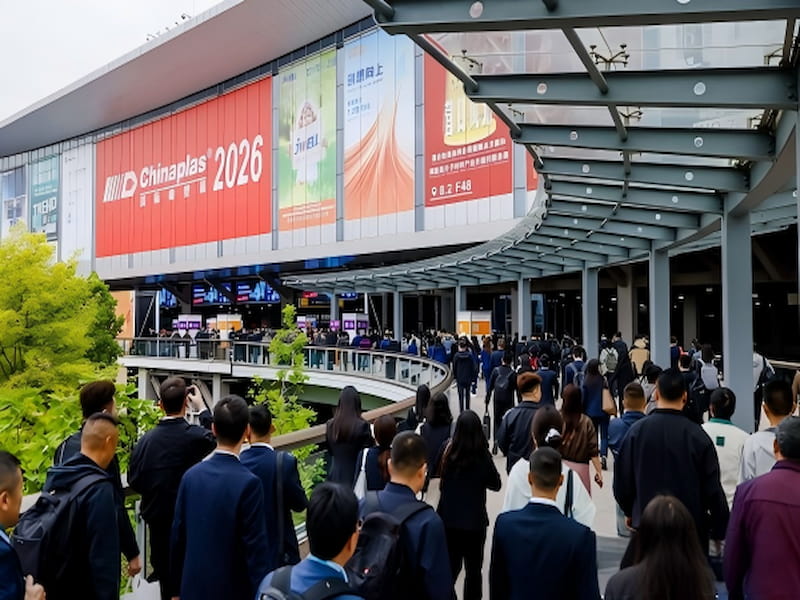
On April 21, 2026, the team from JiangSu ElephChem Holding Limited visited CHINAPLAS 2026 in Shanghai. As one of the most influential trade fairs in the rubber, plastics, and polymer industries, the exhibition brought together advanced material suppliers, machinery manufacturers, and enterprises from across the global supply chain, creating an efficient platform for communication and cooperation. As one of the most professional Polyvinyl Alcohol(PVA), Phenolic resin and Chloroprene Rubber(CR) suppliers in China, JiangSu ElephChem Holding Limited participated in the event as a visitor, with particular attention to sectors such as rubber additives, engineering plastics, functional resins, sustainable materials, and processing equipment. Through on-site visits, the team gained valuable insights into the latest international trends in green manufacturing, high-performance materials, and intelligent production, providing useful references for future business expansion and product planning. During the exhibition, company representatives held friendly discussions with a number of domestic and international enterprises, exchanging views on raw material supply, product applications, and future cooperation opportunities. These face-to-face meetings further strengthened the company’s understanding of market dynamics and laid a solid foundation for broader partnerships in the future. In recent years, driven by manufacturing upgrades and sustainability initiatives worldwide, the rubber and plastics industry has been accelerating toward higher-end, eco-friendly, and functional development. JiangSu ElephChem Holding Limited continues to monitor global market changes closely and actively participates in professional exhibitions and industry events to enhance market responsiveness and resource integration capabilities. Looking ahead, JiangSu ElephChem Holding Limited will remain customer-oriented, stay aligned with industry trends, continuously optimize its product portfolio and service system, and provide more competitive chemical material solutions for customers worldwide. Website: www.elephchem.com whatsapp: (+)86 13851435272 E-mail: admin@elephchem.com
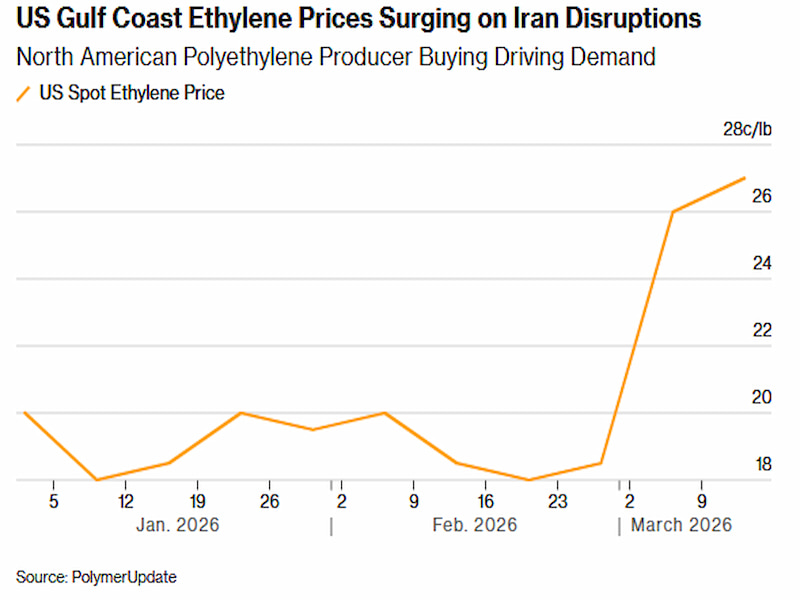
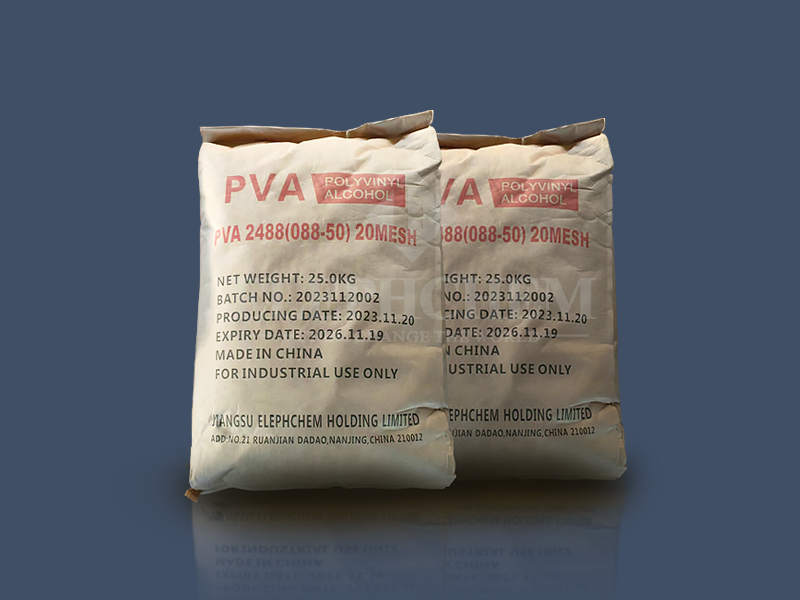
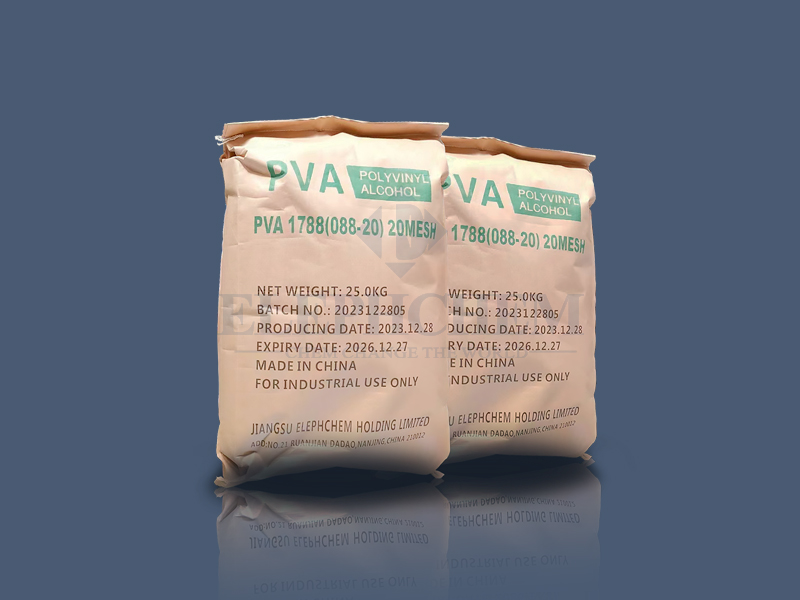
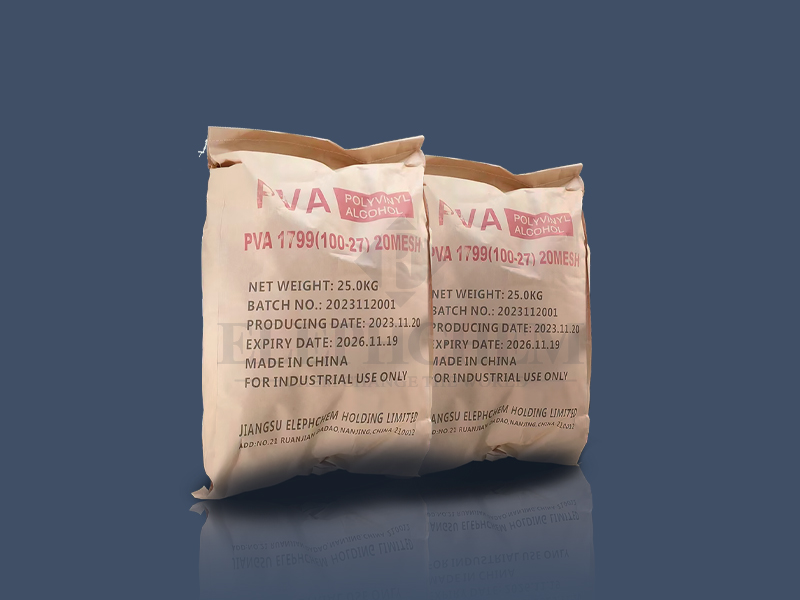
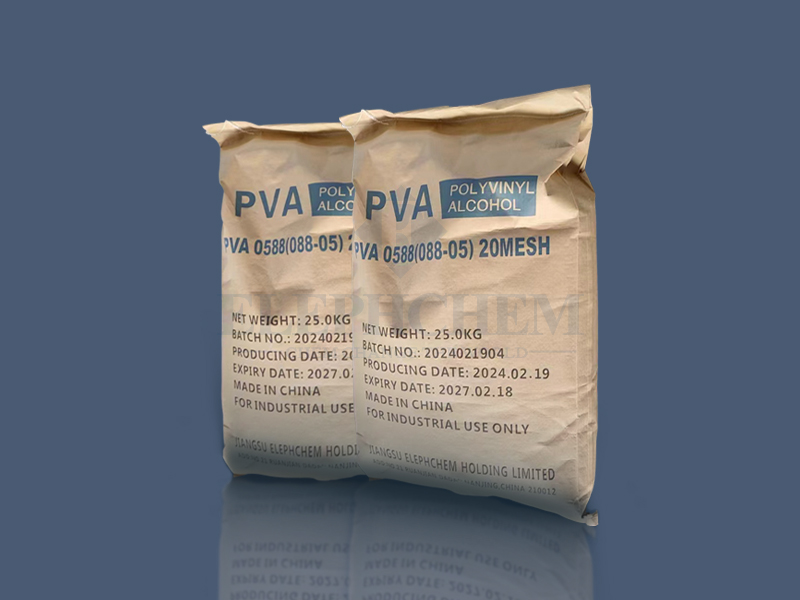
In the first quarter of 2026, the US-Israel-Iraq war rapidly impacted the sustainability of global supply chains. Disruptions to shipping through the Strait of Hormuz, coupled with damage to energy infrastructure, drove a significant increase in international oil prices and shipping costs, spreading globally along the "energy, logistics, raw materials, and manufacturing" chain, creating imported inflation and output contraction pressures. China, as the world's largest manufacturing nation and energy importer, was directly impacted. On the one hand, supply contraction in the Middle East pushed up industrial product costs and squeezed corporate profits; on the other hand, shortages of petrochemical raw materials, unstable supply of key materials, and disruptions to logistics transit triggered production cuts and supply disruptions in industries such as chemicals and automobiles. Simultaneously, disruptions to Middle Eastern shipping and air transport hubs hampered trade and investment links between China and the Middle East. International oil prices continued their sharp rise, and domestic crude oil futures contracts also strengthened significantly. The United Nations and the international community strongly condemned the unilateral military actions of the US and Israel, urgently calling on all parties to immediately cease fire and return to diplomatic negotiations to prevent a complete deterioration of the situation. While OPEC+ is studying potential production increase plans, it is maintaining its existing production cuts. Short-term capacity increases are unlikely to compensate for the supply gap in Middle Eastern crude oil. Geopolitical risk premiums remain high, leading to significantly increased price volatility in the global energy and chemical sector. Iran is a key node in the global energy commodity supply chain and a core source of my country's crude oil and energy raw materials imports. Its geopolitical position directly determines the global supply and demand balance and price trends of energy and related energy products. Its core strategic value is reflected in two dimensions: Globally: In 2025, Iran's crude oil production is projected at 3.3 million barrels per day, accounting for 3.3% of global production, and its seaborne exports account for 4% of global seaborne trade. In 2025, its LPG exports are projected at approximately 10 million tons, accounting for 7% of global LPG trade, making it the world's fourth-largest LPG exporter. Its natural gas production accounts for 6.4% of global production, making it the world's third-largest natural gas producer, after the United States and Russia. Simultaneously, the Middle East controls the Strait of Hormuz, a vital waterway for 20%-25% of global crude oil seaborne trade, 30% of LPG trade, and 20% of LNG trade. Energy exports from Persian Gulf countries like Saudi Arabia and Iraq rely on this waterway, and its safe passage directly impacts the stability of the global energy supply chain. At the Chinese level: In 2024-2025, my country imported 1.38 million barrels of crude oil per day from Iran, accounting for 13.4% of total seaborne oil imports. Over 80% of Iran's crude oil exports flow to my country. Its LPG, iron ore, and copper ore continuously supply my country's chemical, steel, and non-ferrous metal industries. The methanol, MTO, and PX industries in South and East China are highly dependent on low-priced Iranian oil and gas feedstocks, directly influencing the cost center and price trends of related domestic products. As a major supplier of polyethylene and other petrochemical products, the Middle East's export disruptions via the Strait of Hormuz have led to a tightening of global supply. At the same time, production stoppages and raw material shortages in Asia have also driven up prices throughout the plastics industry chain and Vinyl Acetate Monomer (VAM). This dynamic is driving demand for US-produced polyethylene. U.S. polyethylene producers are increasing their purchases of ethylene, a key feedstock, indicating that manufacturers are scrambling to seize export opportunities as global supply tightens. Ethylene prices along the U.S. Gulf Coast are also rising as manufacturers stockpile raw materials. On Wednesday, at the Montpellier Bellevue hub in Texas, spot ethylene was trading at 30.25 cents per pound. This price rose further from about 27 cents on Monday, which had already reached a one-year high. The increase in ethylene prices, a core feedstock for the ethylene-based production process, has driven up prices for vinyl acetate, PVA, and other related products. Jiangsu ElephChem Holding Limited, with a 130,000-ton Polyvinyl Alcohol (PVA) production capacity using the calcium carbide-acetylene process, has ample feedstock supply and relatively stable prices, leading to a widening price spread. Overseas PVA production capacity is mainly based on the petroleum-based ethylene process, making it highly susceptible to ethylene supply and prices; however, China polyvinyl alcohol export demand is expected to increase. Website: www.elephchem.com whatsapp: (+)86 13851435272 E-mail: admin@elephchem.com





 IPv6 network supported