


Overview
Polyvinyl butyral (PVB for short) is the product of acid catalysis of polyvinyl alcohol and butyraldehyde. Because PVB molecules contain long branched chains, they have good compliance, low glass transition temperature, and high tensile strength and impact strength. PVB has excellent transparency, good solubility, good light resistance, water resistance, heat resistance, cold resistance and film formation. It has high adhesion to materials such as glass and metal (especially aluminum). Therefore, it has been widely used in the manufacture of laminated safety glass, adhesives, ceramic paper, aluminum foil, electrical materials, FRP products, fabric treatment agents and other fields, and has become an indispensable synthetic resin material.
General properties
The coating film of polyvinyl butyral (PVB) resin has good water resistance, alkali resistance and oil resistance (resistant to aliphatic, mineral, animal and vegetable oils, but not grate oil). Because PVB contains high hydroxyl. It is a base and has good dispersion of pigments, so it is widely used in printing inks and coatings. In addition, its chemical structure. It also contains hydrophobic acetal groups and acetate groups as well as hydrophilic hydroxyl groups, so PVB is compatible with glass, metal, plastic, leather and wood all have good adhesion.
Product name: Polyvinyl butyral resin
CAS:63148-65-2
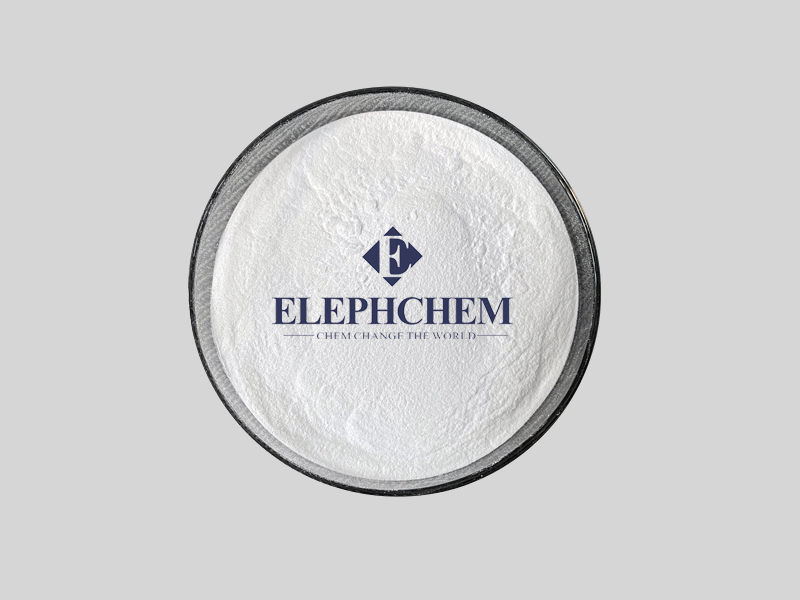
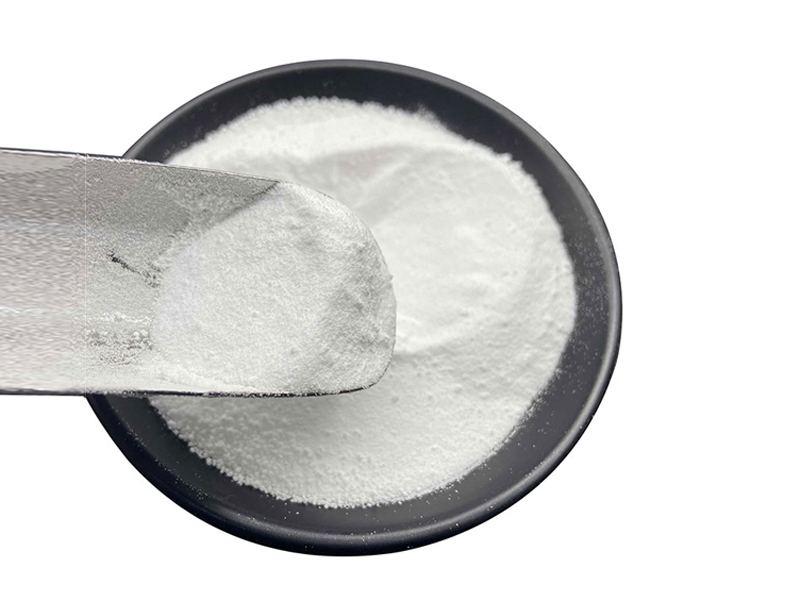
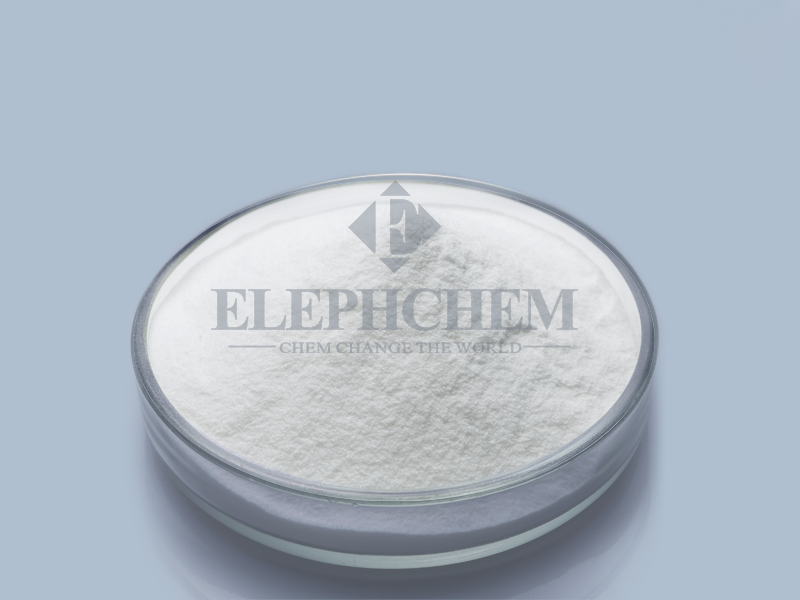
The appearance of polyvinyl butyral (PVB) resin is white spherical porosity particles or powder, and its specific gravity is 1:1; but the filling density is only 0.20~0.35g/ml.
Applications
PVB is widely used in adhesive safety glass interlayers, rust primers, baking paints, wood paints, printing inks, electronic ceramics and printed circuit board adhesives, metal-to-metal, metal-to-plastic adhesives, hot-melt adhesive modifiers, textile iron-dimensional waterproof processing, etc. New applications in various industries are constantly being developed.
Storage
PVB should be stored in a dry and cool place and avoid direct sunlight, and PVB should be stored to avoid heavy pressure. As long as PVB is not in direct contact with water, it can be stored for two years without affecting its quality.
Technical Data
| Item | SD-1 | SD-2 | SD-3 | SD-4 | SD-5 | SD-6 | SD-7 |
| Appearance | White powder | ||||||
| Viscosity/mPa·s | 5~10 | 11~20 | 21~30 | 31~60 | 61~100 | >100 | |
| Acetal/% | 68~88 | 68~88 | 68~88 | 68~88 | 68~88 | 68~88 | 68~88 |
| Acid value/(mg KOH/g) | ≤4.0 | 4 | 2 | 2 | 1 | 1 | 1 |
| Ash/% | ≤0.10 | 0.1 | 0.08 | 0.08 | 0.1 | 0.1 | 0.1 |
| Volatile Content/% | ≤3.0 | 3 | 3 | 3 | 3 | 3 | 3 |
| Polyvinyl butanol by mass/% | ≥98.0 | 98 | 98 | 98 | 98 | 98 | 98 |
Frequently Asked Questions (FAQ)
Q: What is Polyvinyl Butyral (PVB)?
A: PVB is a synthetic resin produced by the reaction of polyvinyl alcohol (PVA) with butyraldehyde. It is widely known for its high transparency, strong adhesion, toughness, and flexibility.
Q: What is the difference between PVB Resin and PVB Film/Interlayer?
A: PVB Resin: Raw powder/granular form used in coatings, primers, inks, adhesives, and ceramic binders.
PVB Film (Interlayer): Extruded sheet form (plasticized PVB) primarily used as an interlayer for laminated safety glass in automotive and architecture.
Q: Which solvents are suitable for dissolving PVB resin?
A: PVB resin dissolves well in alcohols (e.g., ethanol, isopropanol, n-butanol), glycol ethers, and mixtures with aromatic hydrocarbons or esters.
Q: Are PVB products eco-friendly, recyclable, and compliant with industry safety standards?
A: Recyclability & Sustainability: Yes. Advances in modern recycling technology allow post-industrial and end-of-life automotive PVB interlayers to be re-processed into secondary industrial materials, supporting a circular economy.
Standards Compliance: Our premium PVB products comply with global safety and environmental regulations, including REACH, RoHS, and international glass safety standards like ISO 12543, EN 14449, and ANSI Z97.1.
Q: What is Polyvinyl Butyral (PVB) Used For?
A: Laminated Safety Glass: Widely used in automotive windshields and architectural glass (curtain walls, skylights) for anti-shatter safety, acoustic insulation, and UV blocking.
Photovoltaic Modules: Used as an encapsulation material in solar panels to enhance durability and moisture resistance.
Coatings, Inks & Adhesives: PVB resin acts as a binder in wood coatings, ceramic binders, and specialized printing inks.
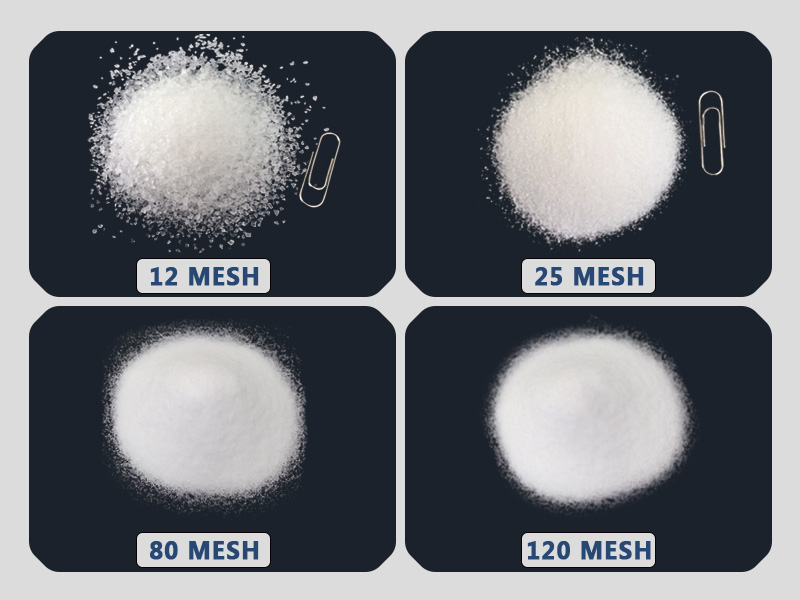
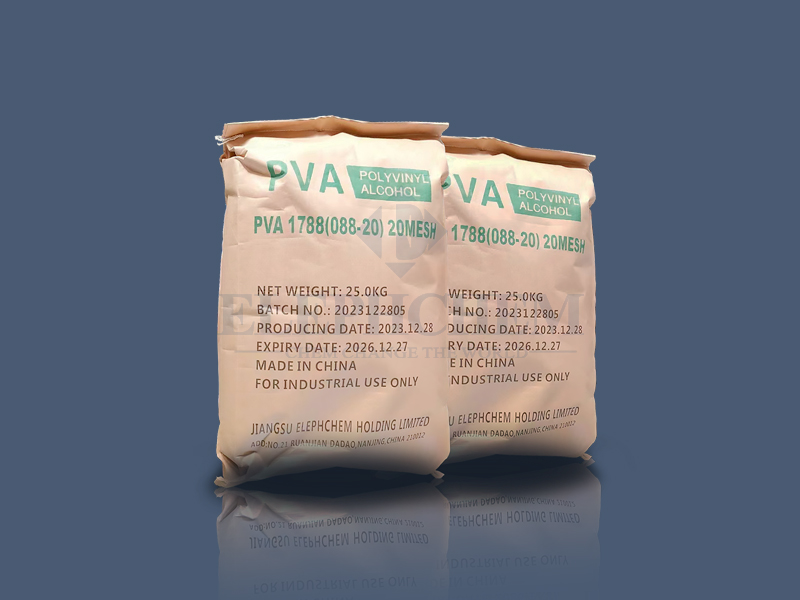
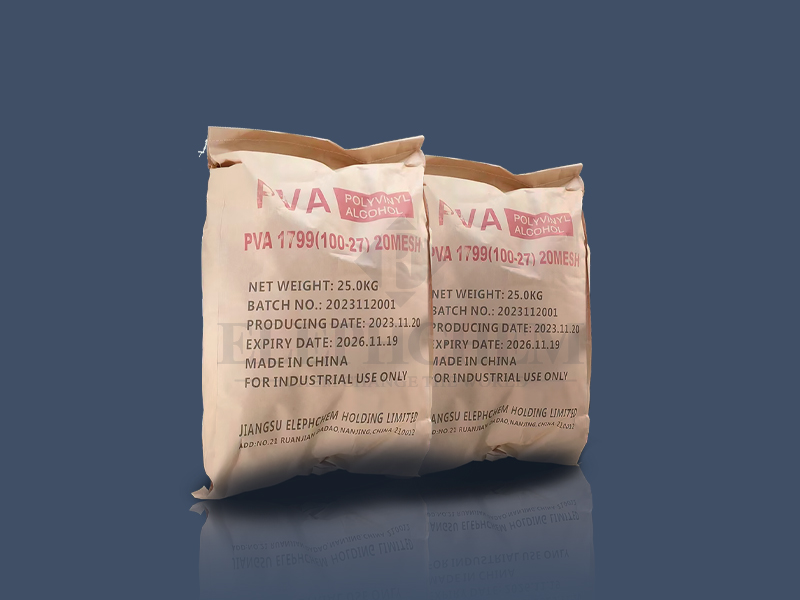
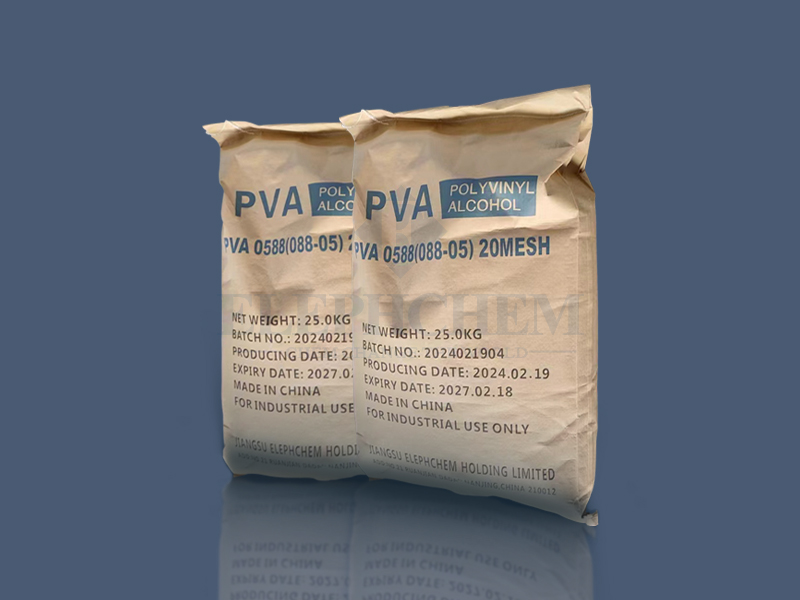
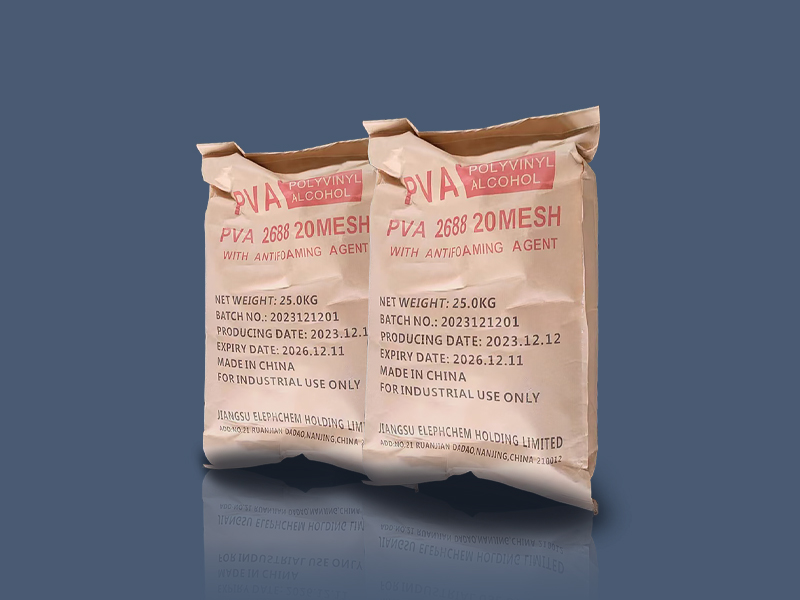
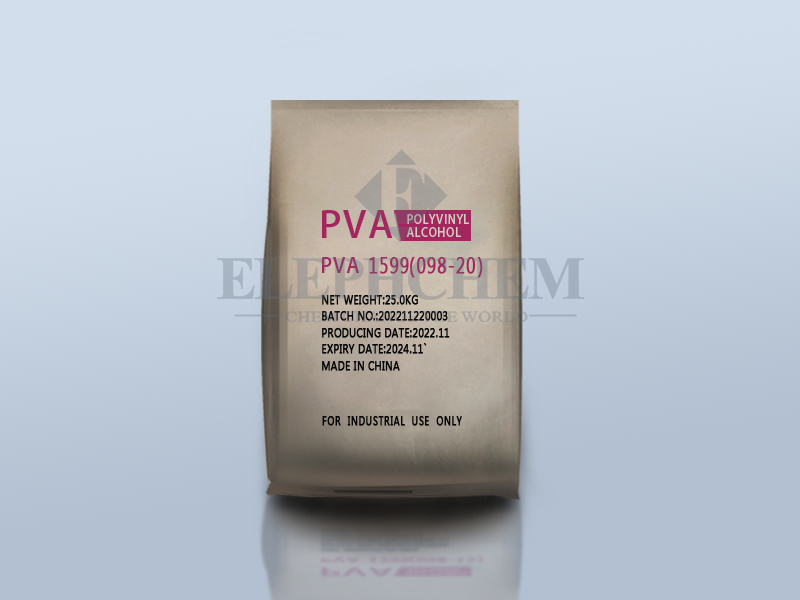
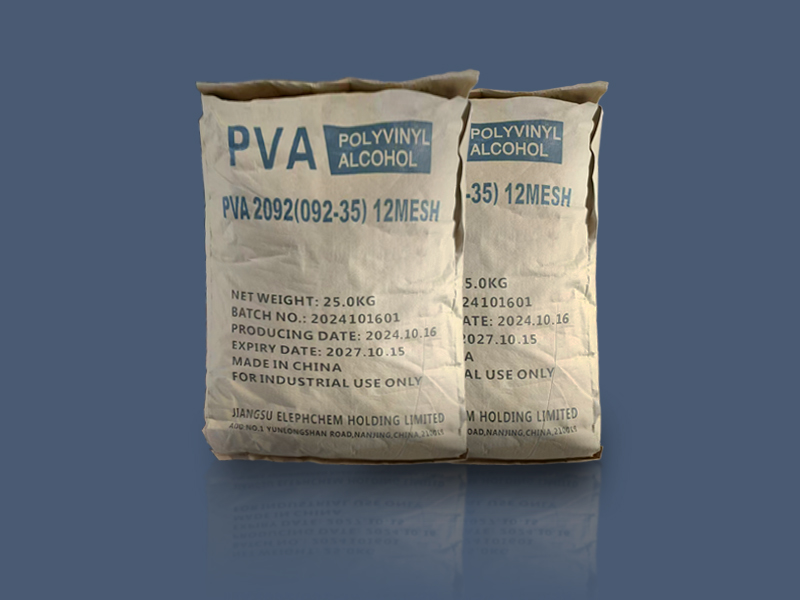
Overview Polyvinyl alcohol (PVA for short), organic compound, white flake, flocculent or powdered solid, non-toxic, tasteless, pollution-free, can be dissolved in 80--90 °C water. Slightly soluble in dimethyl sulfoxide. Its aqueous solution has good adhesion and film-forming properties; It has chemical properties such as esterification, etherification and acetalation of long-chain polyols. It is a water-soluble polymer with a wide range of uses, its performance is between plastic and rubber, and its uses can be divided into fiber and non-fiber two major uses.
Overview Polyvinyl butyral (PVB for short) is the product of acid catalysis of polyvinyl alcohol and butyraldehyde. Because PVB molecules contain long branched chains, they have good compliance, low glass transition temperature, and high tensile strength and impact strength. PVB has excellent transparency, good solubility, good light resistance, water resistance, heat resistance, cold resistance and film formation. It has high adhesion to materials such as glass and metal (especially aluminum). Therefore, it has been widely used in the manufacture of laminated safety glass, adhesives, ceramic paper, aluminum foil, electrical materials, FRP products, fabric treatment agents and other fields, and has become an indispensable synthetic resin material.
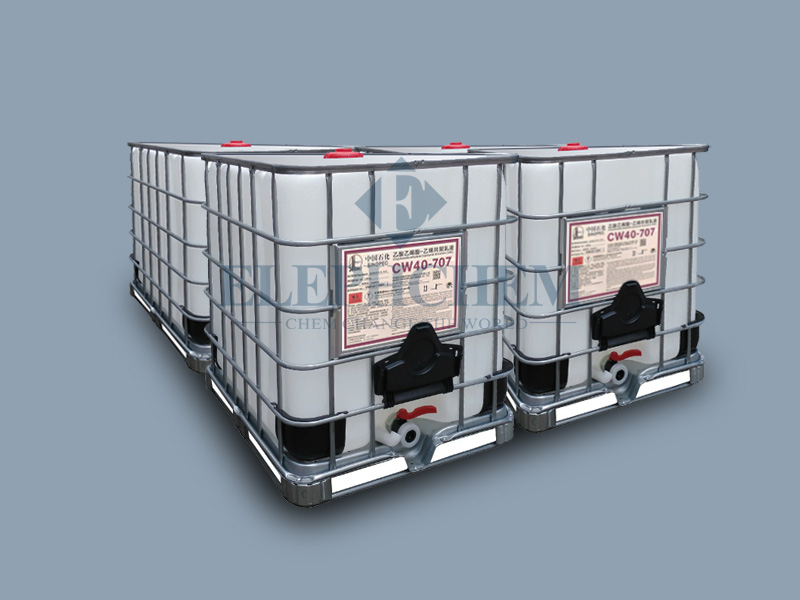
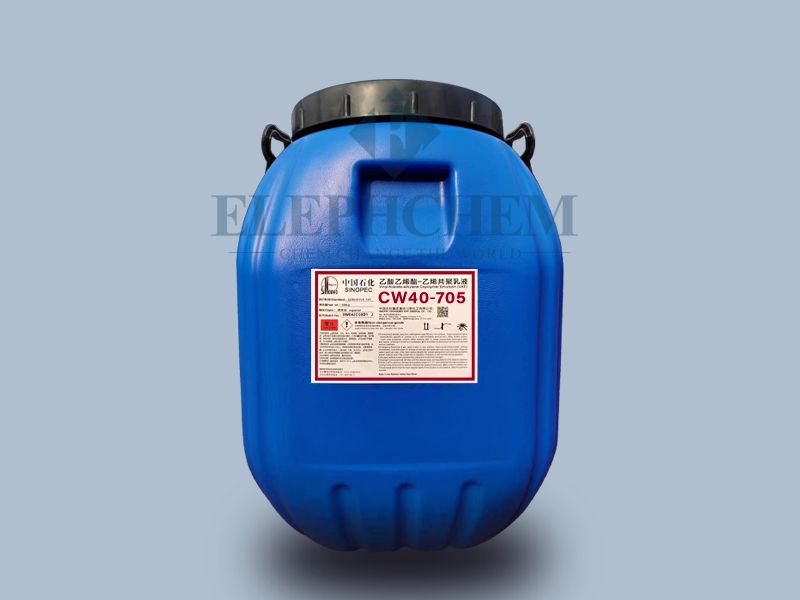
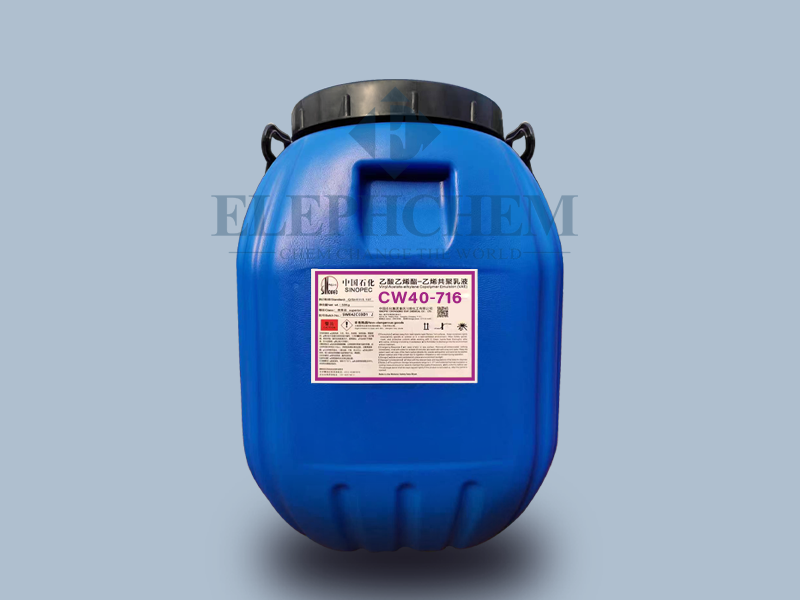
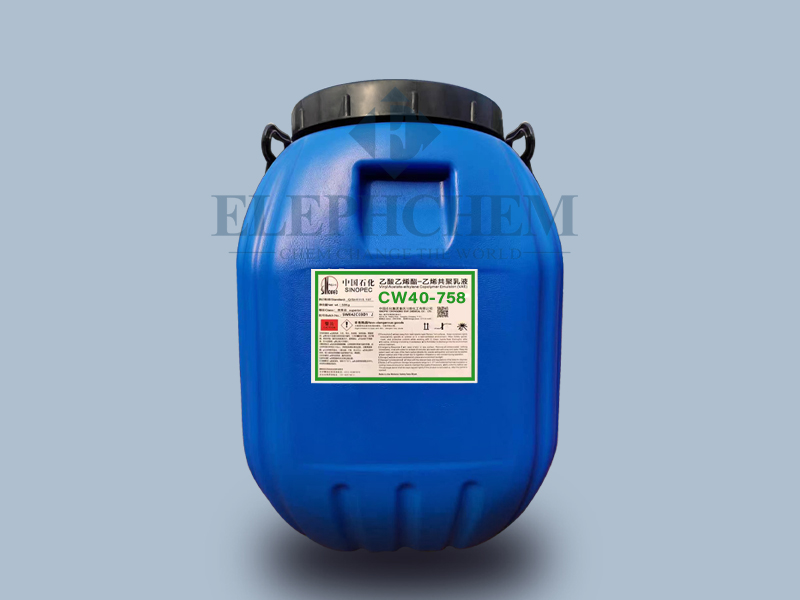
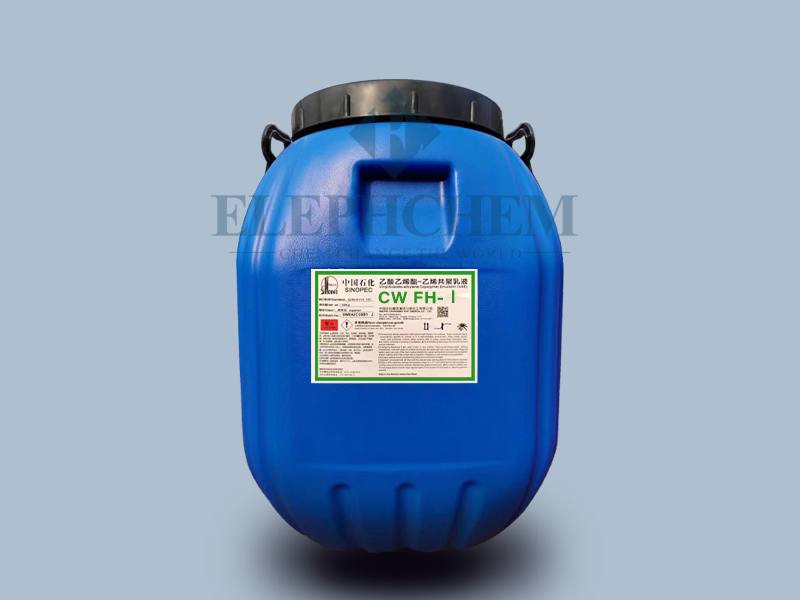
Overview VAE emulsion is short for ethylene acetate-ethylene copolymerization emulsion, which is a polymer emulsion made of ethylene acetate and ethylene monomer as the basic raw materials and other auxiliary materials through emulsion polymerization. Ethylene and vinyl acetate copolymer is the most important product of ethylene copolymer, generally referred to as EVA. Products with ethylene acetate content in the range of 70%~95% are usually in the emulsion state, called VAE emulsions.
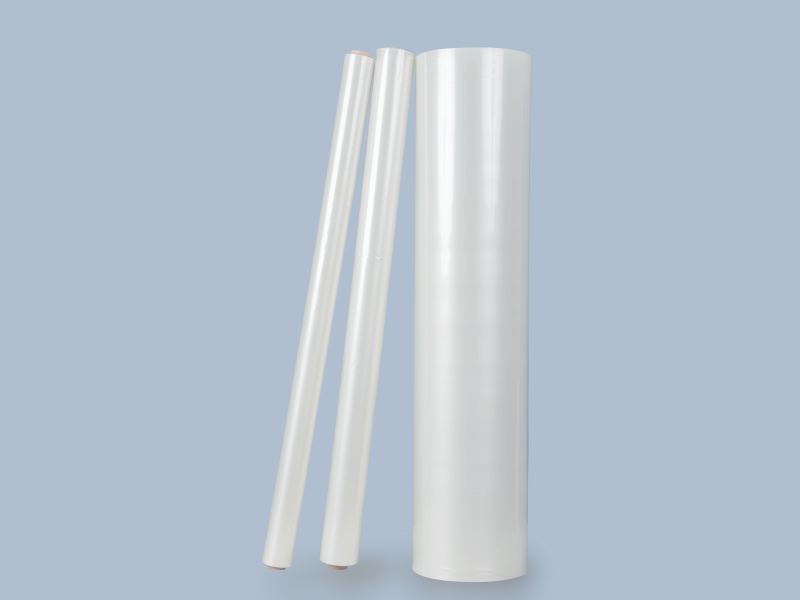
Overview Polyvinyl alcohol film is made of polyvinyl alcohol as the main component, adding additives such as modifiers, and processed by special technology. PVA film is a green functional material that can be degraded into carbon dioxide and water by microorganisms in the soil in a short time which has the effect of improving land conditions.
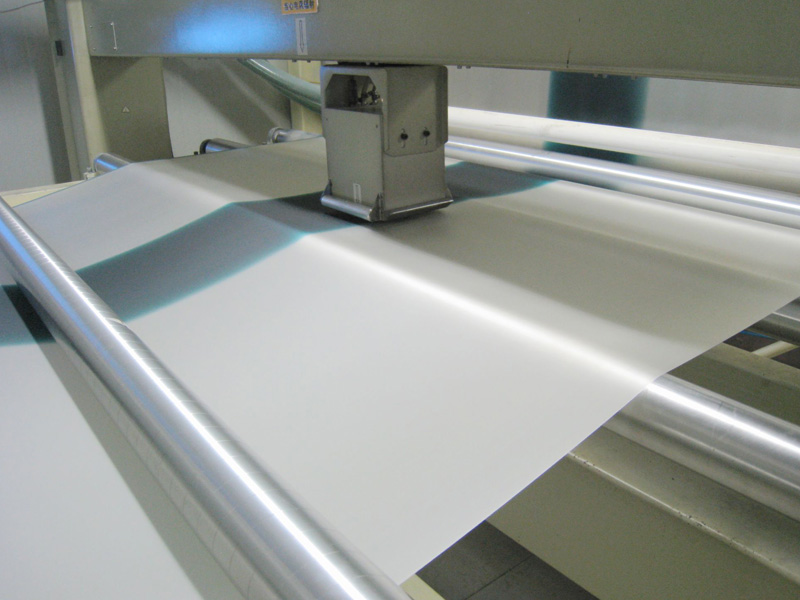
Overview PolyVinyl Butyral Film(PVB film) is also known as PVB interlayer.Its essence is a thermoplastic resin film, which is produced from PVB resin plus plasticizer. Since it is produced from plastic resin, it has the characteristics of recyclable processing and reusability.The appearance is translucent film, no impurities, smooth surface, with a certain roughness and good softness, with the adhesion of inorganic glass, transparent, heat resistance, cold resistance, moisture resistance and high mechanical strength characteristics.
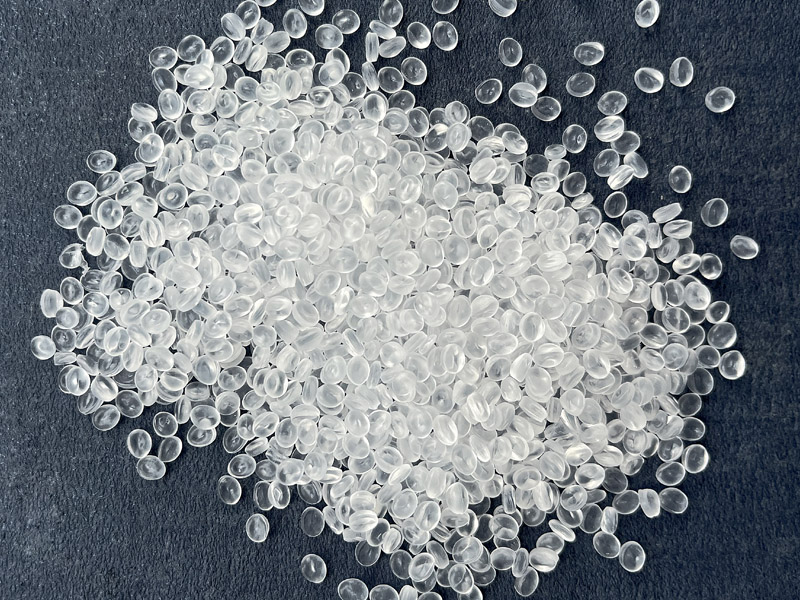
Overview EVA is a thermoplastic copolymer manufactured through the free radical polymerization of ethylene and vinyl acetate in the presence of initiating agents using the high-pressure bulk polymerization process. EVA's properties vary dramatically from one product to another depending on the content of vinyl acetate in the macromolecule. EVAs with different properties are used for different purposes.
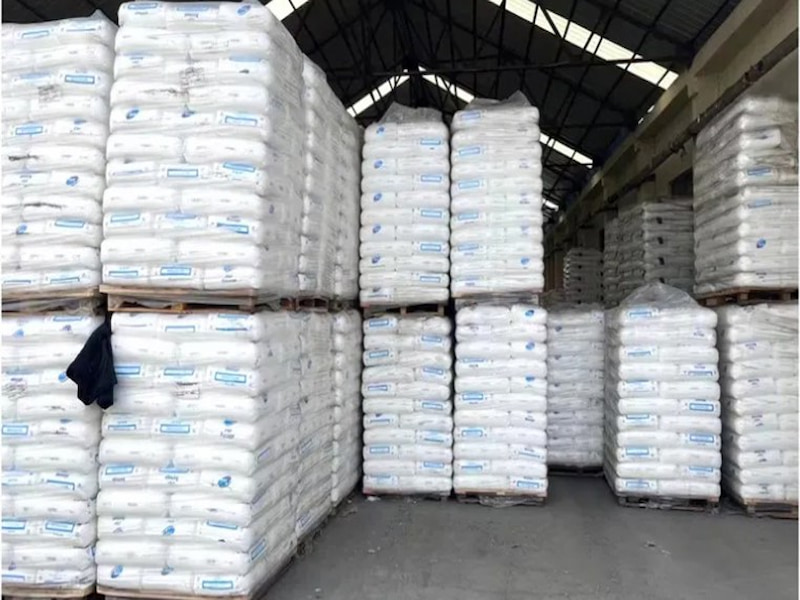
Overview V series EVA resin is produced by advanced high-pressure tubular process, offering excellent transparency, flexibility, thermal adhesion, and stress cracking resistance. It is widely used in various composite materials, foamed products, and industrial modification sectors.
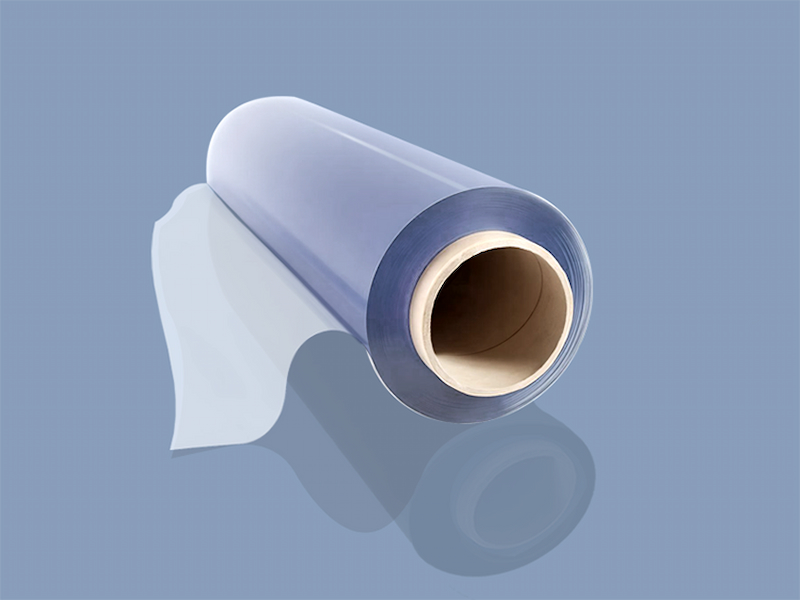
Overview Modified polyvinyl alcohol (PVOH) is graded according to different degrees of polymerization, hydrolysis and copolymerization monomers. The modification of PVA is mainly to use the double bonds, ester groups and the chemical activity of the hydroxyl group after alcoholization of vinyl acetate to change the side chain group or structure, and introduce other monomers to become copolymers dominated by PVA.
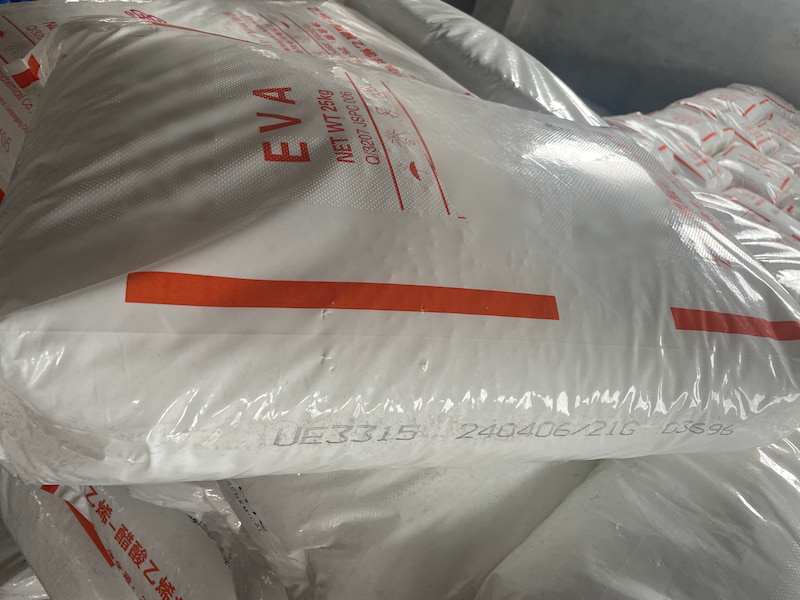
Overview The UE series EVA resin is produced using the high-pressure autoclave polymerization process. Compared with the tubular process, products manufactured via this process offer superior control over molecular weight distribution and enhanced processing stability, making them particularly excellent in hot-melt adhesive applications and high-demand foaming sectors.
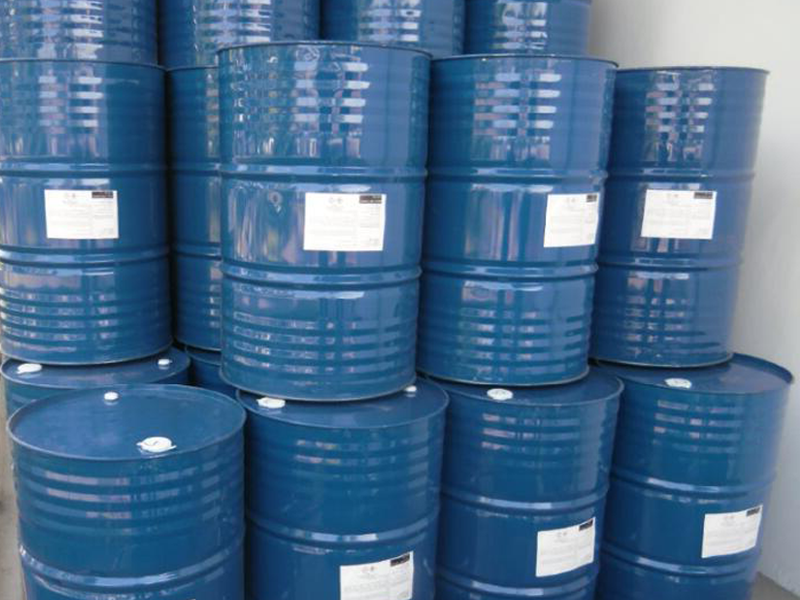
Overview Vinyl Acetate Monomer (VAM) is a colorless flammable liquid with sweet ether flavor. There are several different raw materials such as acetylene method, ethylene method, acetaldehyde acetic anhydride and so on. The route of ethylene raw materials is different according to the process, and there are different methods such as ethylene gas phase method and ethylene liquid phase method.
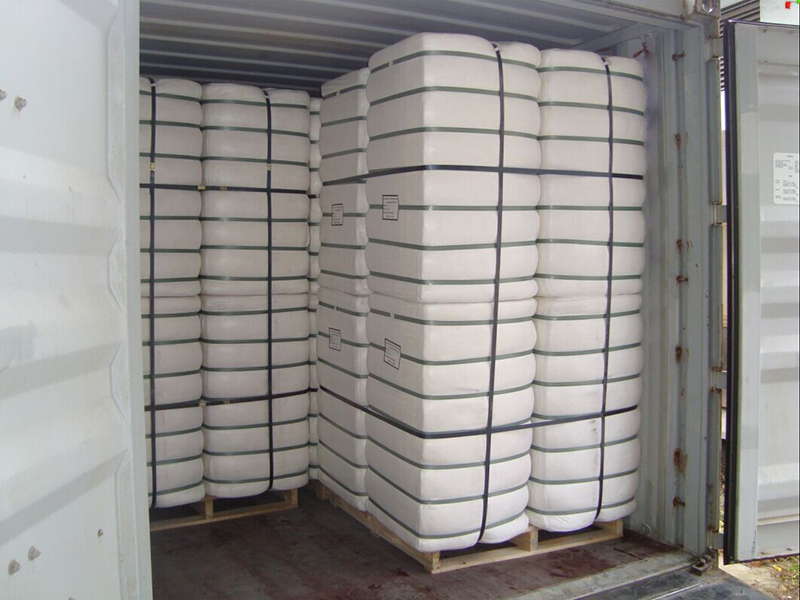
Overview Water soluble PVA fiber is a kind of PVA fiber made from polyvinyl alcohol through wet spinning, heat treatment and crimping-oiling in water at normal temperature. It is good in dry heat stability, physical and mechanical properties. The remarkable characteristic is its total dissolving in water at a range of temperature. This kind of PVA fiber is mainly used in Textile industry for making the yarn and cotton.
Overview High Strength High Modulus PVA Industrial Fiber takes polyvinyl alcohol as its major raw materials. It has good prosperities such as high modulus, high strength, alkali and acid resistance, heat resistance, anti-crack, anti-infiltration and so on. High strength and high modulus PVA fiber also has good compatibility with cement and other macromolecule material and can prevent the microcrack caused by plastic shrinkage of the concrete.
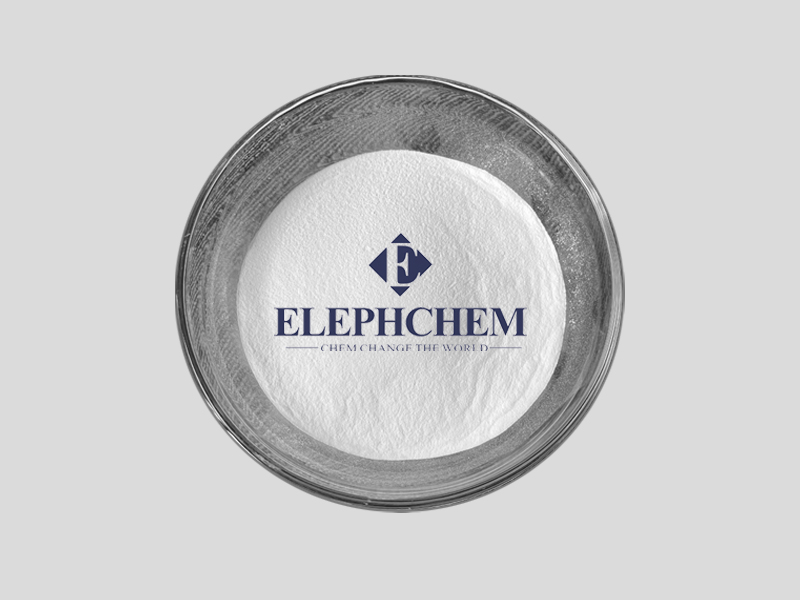
Overview Dispersible polymer powder is a modified emulsion powder obtained by spray drying of a binary or ternary copolymer of vinyl acetate and tertiary vinyl carbonate-VeoVa or ethylene or acrylate, which has good redispersibility, redispersed into an emulsion when in contact with water, and its chemical properties are exactly the same as the initial emulsion.
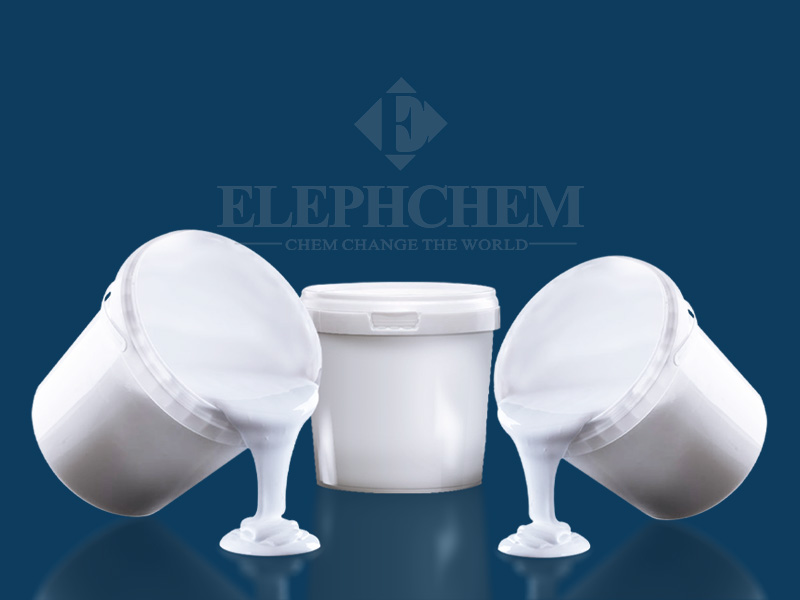
Overview Polyvinyl acetate multipurpose white glue series adopts the latest process and formula to produce water-based adhesives, which have the advantages of high adhesion, fast curing and easy brushing, which effectively solves the problem of low bonding strength and long curing time of white glue, and has good water resistance and moisture resistance after curing.
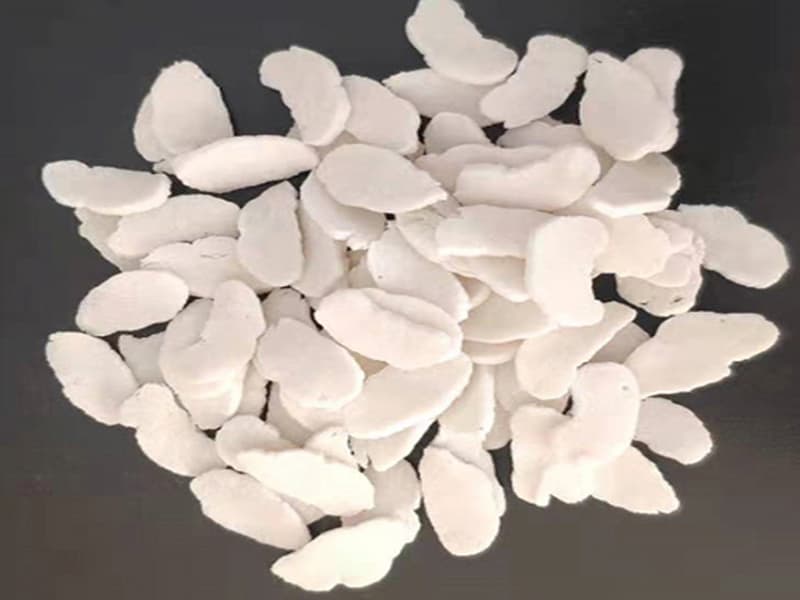
Overview JiangSu ElephChem Holding Limited offers a wide range of chloroprene rubber products, primarily including seven major series: CR244, CR248, CR232, CR121, CR322, DCR213, and DCR114. These products boast a complete range of grades, excellent quality, and outstanding cost-effectiveness. They include slow-crystallizing, cold-resistant rubber series products comparable to those of Denka and ARLANXEO, and have received widespread acclaim from domestic and international customers.
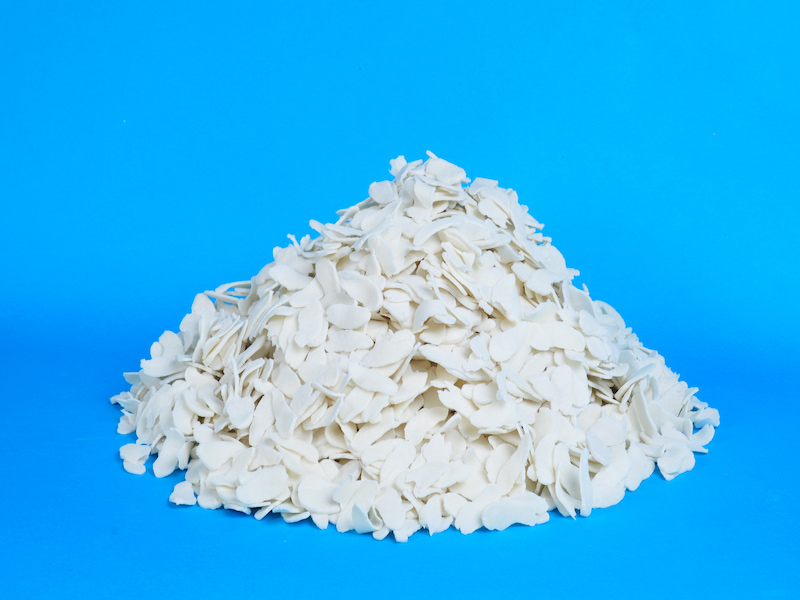
Overview Provided that compounds are are appropriately formulated and processed, the resulting vulcanizates demonstrate excellent resistance to environmental factors such as weather and ozone. Additionally, they exhibit strong resistance to aging, hot air, and various chemicals, as well as adequate resistance to oils and gasoline. Furthermore, these materials possess favorable mechanical and physical characteristics, along with notable abrasion resistance.
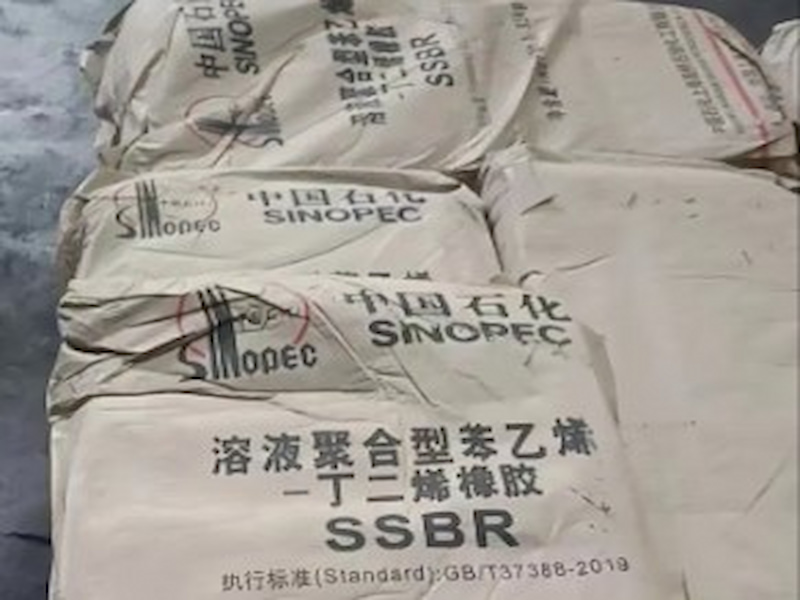
SSBR (Solution Styrene Butadiene Rubber) is a high-performance synthetic rubber product produced by solution polymerization of butadiene and styrene using a lithium catalyst. Distinct from traditional styrene-butadiene rubber (SBR) in its polymerization process, it exhibits superior processing characteristics and physical properties, and has been widely adopted in high-end footwear, adhesives, and other industrial applications.
Overview PVB SD-1 has excellent transparency, making it suitable for applications requiring high light transmittance.
Overview PVB SD-2 has low viscosity and good solubility. It is easy to dissolve in suitable solvents and is convenient for processing.
Overview PVB SD-3 has low viscosity and good weather resistance, including light resistance, water resistance, heat resistance, and cold resistance, ensuring that the product can maintain its performance in various environments.
Overview PVB SD-4 has medium viscosity and high adhesion. It has strong bonding ability to various substrates such as glass and metal and is suitable for coatings and adhesives.
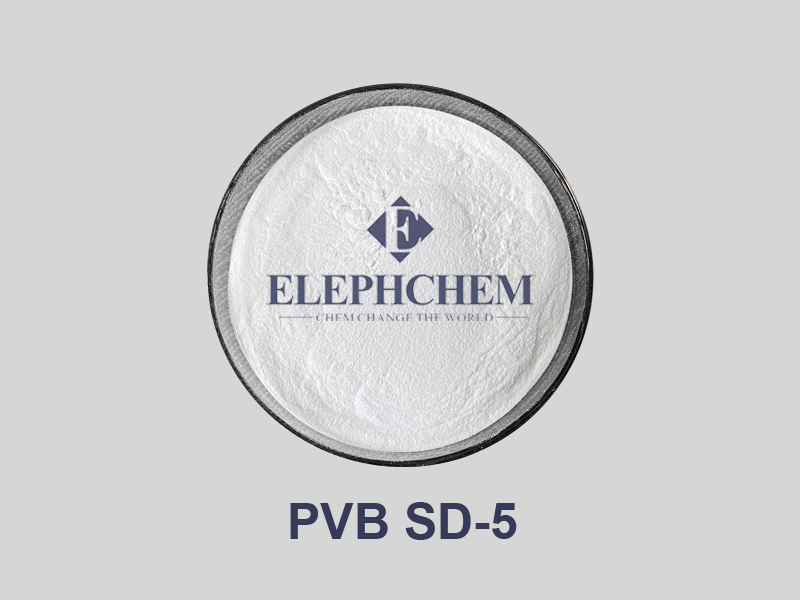
Overview PVB SD-5 has medium viscosity, good mechanical properties, good flexibility, high tensile strength and impact strength.
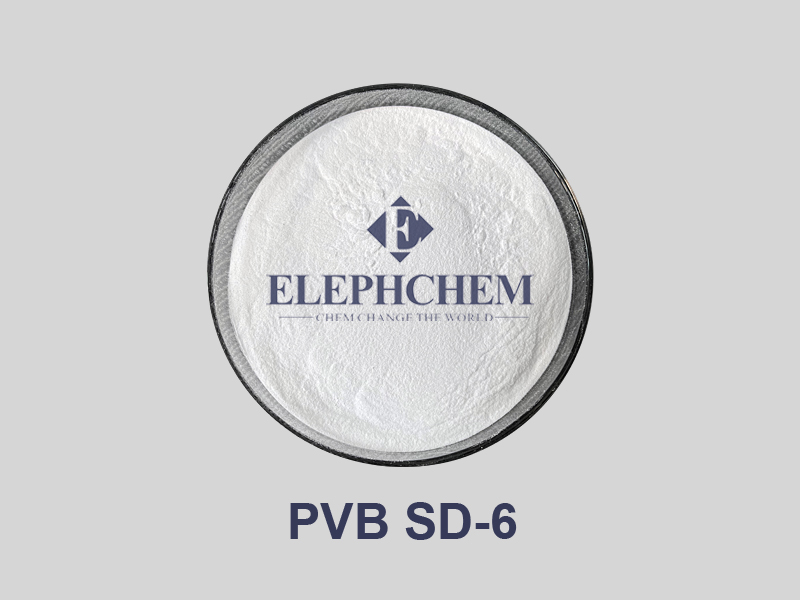
Overview PVB SD-6 high viscosity type has a stronger thickening effect and is suitable for applications that require increased system viscosity. It may provide better filling or rheology control and is also suitable for forming thicker coatings.
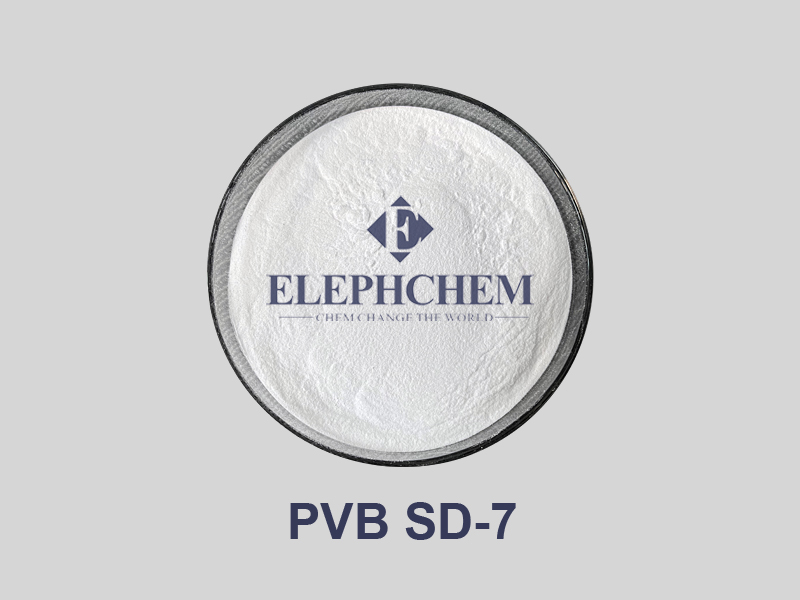
Overview PVB SD-7 is a high viscosity model with excellent film-forming properties, easily forming a continuous, uniform film. It can form a thicker coating in one application, reducing the number of application passes.



 IPv6 network supported