

Overview
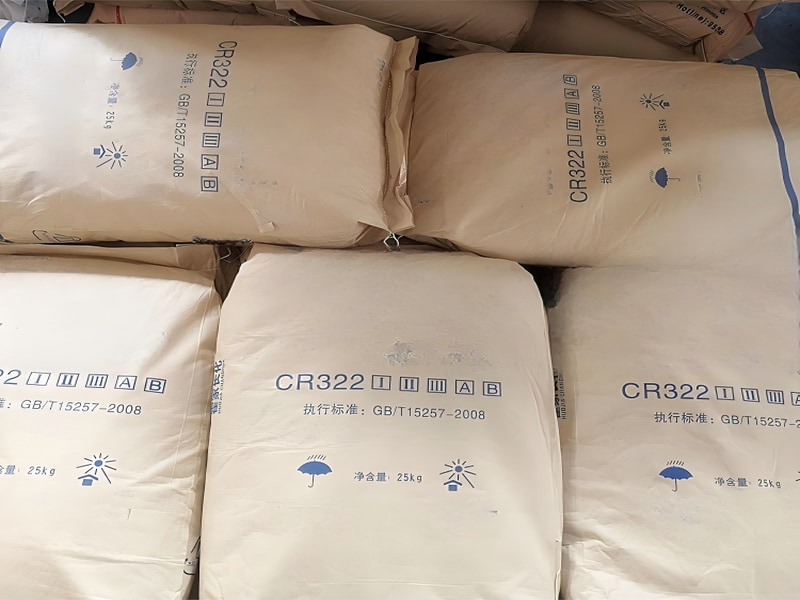
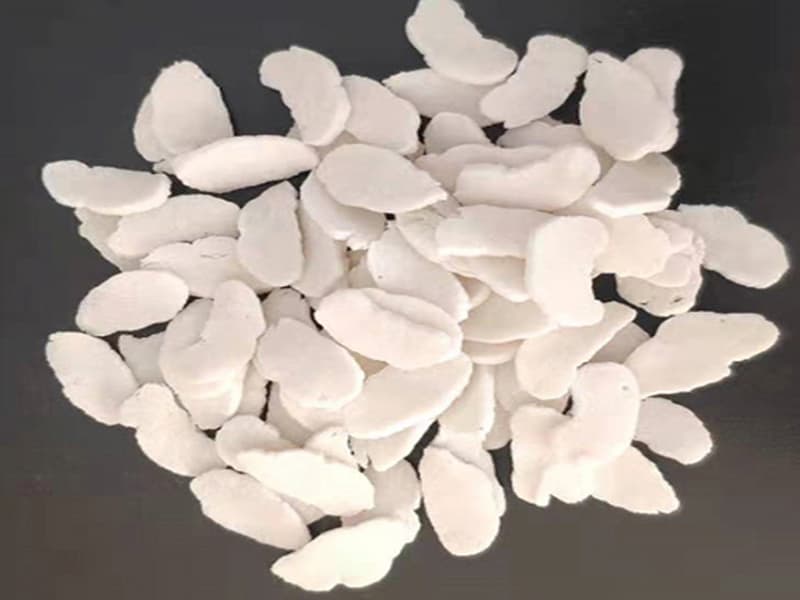
CR 322 Series Neoprene is a chloroprene polymer using sulfur and diisopropyl xanthogen disulfide as mixed modifiers. It has a medium-to-low crystallization rate, a density of 1.23, and appears as yellowish or light brown blocks. It exhibits high tear strength and superior processing performance compared to sulfur-modified rubber.
General properties
Chemical Name: Chloroprene Rubber
Grade: CR 322 Series Neoprene
Product Standard: GB/T15257-2008
Technical Data:
| Item | Index |
|||
|
Mooney Viscosity (ML100℃ 1+4) |
CR3221 | CR3222 | CR3223 | |
| 25-40 | 41-60 | 61-80 | ||
|
Mooney Scorch (MSt5, min) |
25 | |||
| Tensile strength, ≥ MPa | 25 |
|||
| Modulus at 500 %,MPa | 2-5 |
|||
| Elongation at break, ≥ % | 800 |
|||
| Volatile matter, ≤ % | 1.5 |
|||
| Ash content, ≤ % | 1.5 |
|||
| Appearance | Light brown chips |
|||
Comparison with Other CR Brands
| JiangSu ElephChem Brand | DENKA | ARLANXEO | DPE | TOSOH |
|
CR3221 |
DCR-40 (A) | 510 | GW | 505 |
| CR3222 |
Applications:
CR 322 Series Neoprene can be used in the manufacture of hoses, conveyor belts, cable sheaths, and other rubber products. This product is similar to DuPont's GW type rubber.
Package:
Packed in paper bags, net weight 25kg.
Storage:
From the date of production, the storage period is one year at temperatures below 20°C and six months at temperatures below 30°C.
Overview JiangSu ElephChem Holding Limited offers a wide range of chloroprene rubber products, primarily including seven major series: CR244, CR248, CR232, CR121, CR322, DCR213, and DCR114. These products boast a complete range of grades, excellent quality, and outstanding cost-effectiveness. They include slow-crystallizing, cold-resistant rubber series products comparable to those of Denka and ARLANXEO, and have received widespread acclaim from domestic and international customers.
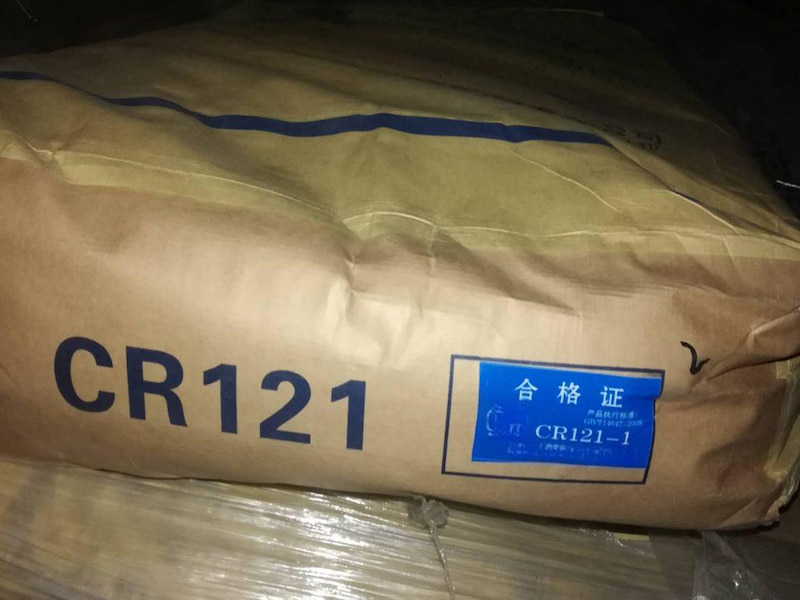
Overview Neoprene Chloroprene Rubber CR121 is a chloroprene polymer with sulfur as a modifier. It has a medium-low crystallization rate, a density of 1.23, and is a beige or light brown lumpy substance. It possesses good tear resistance and flexural strength.
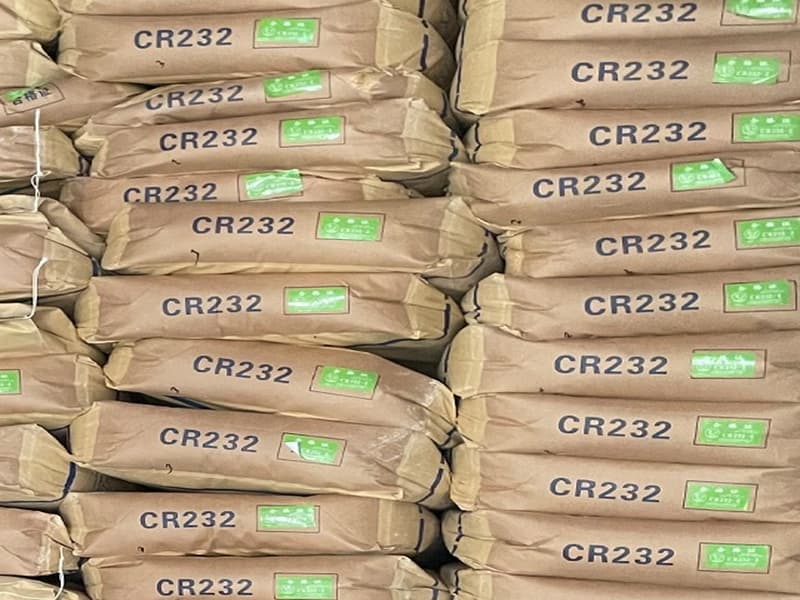
Overview This product is a chloroprene polymer with diisopropyl xanthogen disulfide or dodecyl mercaptan as a regulating agent. It has a medium crystallization rate, a density of 1.23, and is an off-white or yellowish block-shaped solid. It possesses good heat resistance and high-temperature stability.
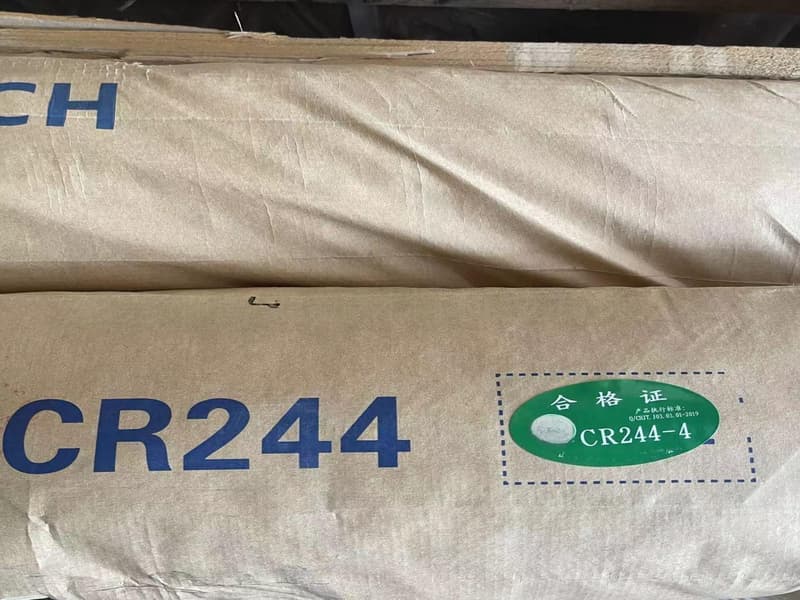
Overview Polychloroprene Rubber CR244 is a chloroprene polymer regulated with diisopropyl xanthogen disulfide or dodecyl mercaptan. It has a fast crystallization rate, a density of 1.23, and appears as off-white or beige flakes. It has a regular molecular structure and high cohesive strength, resulting in high adhesive strength at room temperature, making it the main base material for chloroprene adhesives.
Overview Adhesive Type CR248 Chloroprene Rubber is a chloroprene polymer with dodecyl mercaptan as a regulator, having a density of 1.23 and appearing as an off-white or yellowish sheet.
Overview CR 322 Series Neoprene is a chloroprene polymer using sulfur and diisopropyl xanthogen disulfide as mixed modifiers. It has a medium-to-low crystallization rate, a density of 1.23, and appears as yellowish or light brown blocks. It exhibits high tear strength and superior processing performance compared to sulfur-modified rubber.
Overview DCR114 Series Chloroprene Rubber is a copolymer of chloroprene and dichlorobutadiene, using sulfur as a regulator. It has a density of 1.23 and is a yellowish or light brown block-shaped material. It possesses excellent anti-crystallization properties and good molding adhesion, making it the preferred rubber for high-strength dynamic products, and also exhibiting high cold resistance.
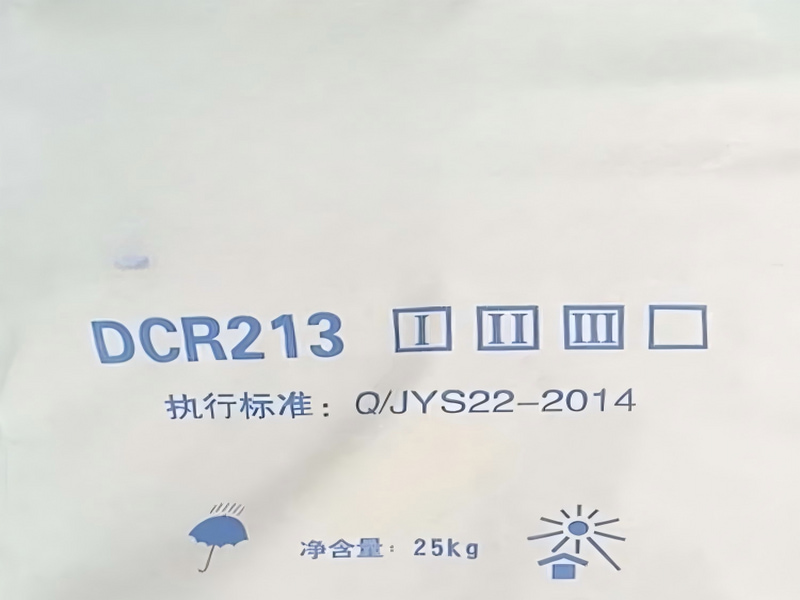
Overview Polychloroprene Rubber DCR213M is a copolymer of chloroprene and dichlorobutadiene, using dodecyl mercaptan as a regulator. It has a density of 1.23 and is a milky white or beige block-shaped solid. It possesses excellent resistance to crystallization.
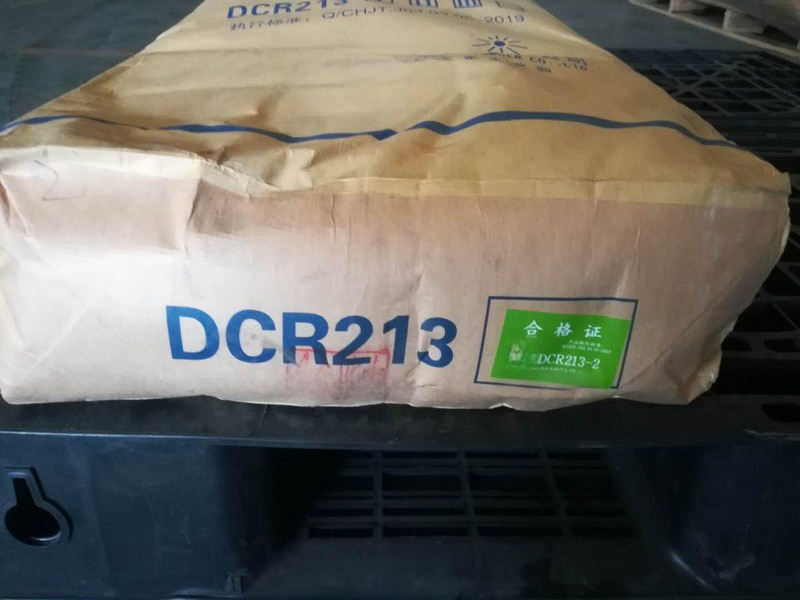
Overview Polychloroprene Rubber DCR213X is a chloroprene rubber produced by emulsion polymerization using diisopropyl xanthogen disulfide as a regulator and chloroprene and dichlorobutadiene as comonomers. It has a density of 1.23 and is an off-white or yellowish block-shaped material. It exhibits excellent resistance to crystallization.
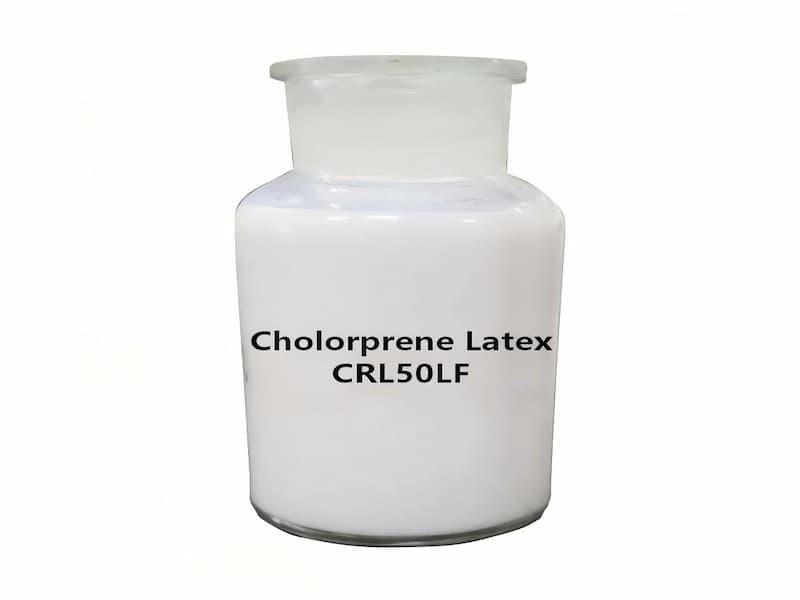
Overview Chloroprene Neoprene Latex CRL50LF is a chloroprene rubber latex produced by free-radical emulsion polymerization using chloroprene as the monomer and disproportionated rosin soap as the emulsifier. The particles are negatively charged. This latex is a high-gel type latex, possessing the general characteristics of chloroprene rubber and excellent storage stability. It also exhibits good anti-crystallization properties, excellent film-forming properties, high tensile strength, good solvent resistance, chemical resistance, and weather resistance.
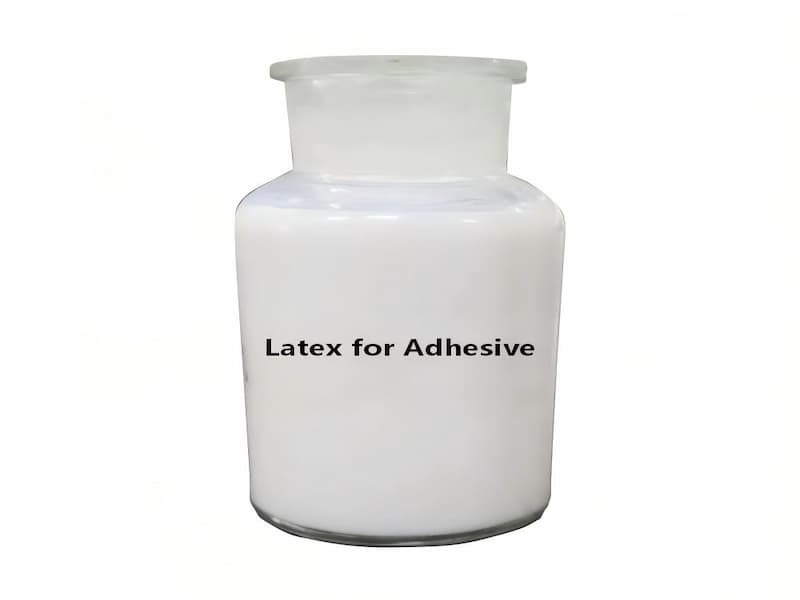
Overview Latex for Adhesive is a chloroprene latex produced by free-radical emulsion polymerization using chloroprene as the monomer and disproportionated rosin soap as the emulsifier. The particles carry a negative charge. This latex is a high-gel type latex, possessing the general characteristics of chloroprene rubber and excellent storage stability. It also exhibits good rapid crystallization properties, excellent adhesion, good solvent resistance, chemical resistance, and weather resistance.



 IPv6 network supported