
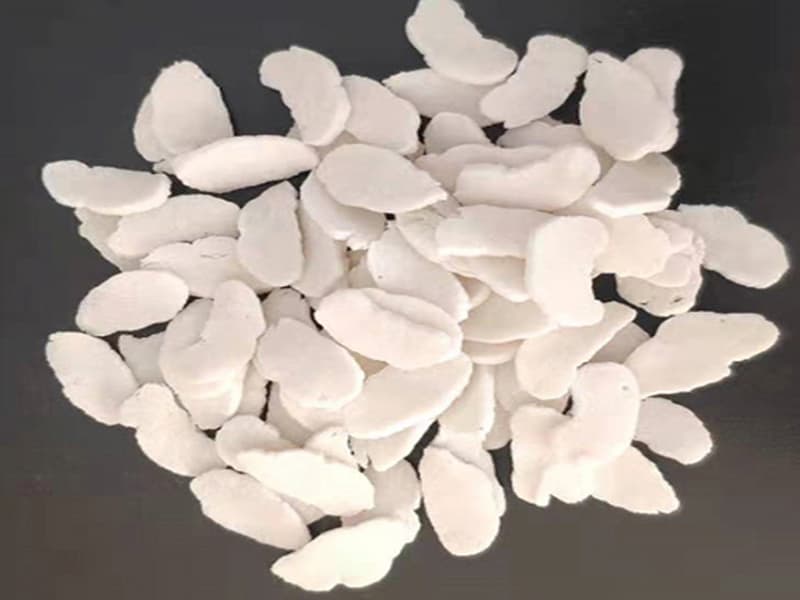

Overview
JiangSu ElephChem Holding Limited offers a wide range of chloroprene rubber products, primarily including seven major series: CR244, CR248, CR232, CR121, CR322, DCR213, and DCR114. These products boast a complete range of grades, excellent quality, and outstanding cost-effectiveness. They include slow-crystallizing, cold-resistant rubber series products comparable to those of Denka and ARLANXEO, and have received widespread acclaim from domestic and international customers.
Product Summary Technical Data:
| Series | Models | Appearance | Viscosity(ML100℃ 1+4) | Mooney Scorch(MSt5, min) | Tensile strength, ≥ MPa | Modulus at 500 %,MPa | Elongation at break, ≥ % | Volatile ≤ % | Ash ≤ % |
| Neoprene Chloroprene Rubber CR121 | CR1211 | Light brown chips | 20-40 | 30 | 24 | 2-5 | 900 | 1.5 | 1.5 |
| CR1212 | 41-60 | ||||||||
| CR1213 | 61-75 | ||||||||
| Chloroprene Rubber CR232 | CR2321 | Milk white chips | 35-45 | 11 | 12 | 2-7 | 750 | 1.5 | / |
| CR2322 | 46-55 | ||||||||
| CR2323 | 90-110 | 11 | 12 | 5-10 | 550 | 1.5 | / | ||
| CR2324 | 111-130 | ||||||||
| CR 322 Series Neoprene | CR3221 | Light brown chips | 25-40 | 25 | 25 | 2-5 | 800 | 1.5 | 1.5 |
| CR3222 | 41-60 | ||||||||
| CR3223 | 61-80 | ||||||||
| DCR114 Series Chloroprene Rubber | DCR1141 | Light brown chips | 30-45 | 25 | 23 | 2-7 | 850 | 1.5 | 1.5 |
| DCR1142 | 46-60 | ||||||||
| Polychloroprene Rubber DCR213M | DCR2131M | Milk white chips | 35-45 | 14 | 12 | 2-7 | 700 | 1.5 | 1.5 |
| DCR2132M | 46-59 | ||||||||
| DCR2133M | 70-90 | 11 | 12 | 5-10 | 550 | ||||
| DCR2134M | 91-120 | ||||||||
| Polychloroprene Rubber DCR213X | DCR2131X | Milk white chips | 35-45 | 14 | 14 | 2-7 | 700 | 1.5 | 1.5 |
| DCR2132X | 46-59 | ||||||||
| DCR2133X | 60-80 | 11 | 14 | 5-10 | 550 | ||||
| DCR2134X | 81-120 |
| Series | Models | Viscosity in 10% toluene solution, mpa.s | Volatile, ≤ % |
| Chloroprene Rubber CR232 | CR2323A | 500-1500 | 1.2 |
| CR2324A | 1501-2500 | ||
| CR2325A | 2501-5000 |
| Series | Models | Appearance | Viscosity in 5% toluene solution, mpa.s | Peel Strength, ≥ N/cm | Volatile, ≤ % | |
| Polychloroprene Rubber CR244 | CR2440 | Milk white chips | 13-24 | 90 | 1.2 | |
| CR2441 | 25-34 | |||||
| CR2442 | 35-53 | |||||
| CR2443 | 54-75 | |||||
| CR2444 | 76-115 | |||||
| CR244A | 116-140 | |||||
| CR244B | 141-400 | |||||
| Neoprene Polychloroprene Rubber CR248 | CR2480 | Milk white chips | 550-1500 |
canvas / canvas 70 |
artificial leather / artificial leather 20 |
1.2 |
| CR2481 | 1501-5500 | |||||
| CR2482 | 5501-10000 | |||||
| Models | Appearance | Solid Content % ≥ | PH Value ≥ | Viscosity (25±1)℃ mPa.s ≤ | Surface Tension (25±1)℃N/m ×10-3 ≤ |
| Chloroprene Latex CRL50LF | Milk white emulsion | 50 | 11.0 | 40 | 45 |
| Latex for Adhesive | Milk white emulsion | 50 | 11.0 | 40 | 45 |
Comparison with Other CR Brands:
| JiangSu ElephChem Brand | DENKA | ARLANXEO | DPE | TOSOH | Remarks |
| CR1211 | PM-40 | 711 | GNA | R-22 | Sulfur modified |
| CR1212 | PM-40 | 711 | GNA | R-22 | Sulfur modified |
| CR2321 | M-30 | 211 | Wm1 | B-31 | Mercaptan modified |
| CR2322 | M-40 | 210 | W | B-30 | Mercaptan modified |
| CR2323 | M-100 | 230 | WHV-100 | Y-31 | Mercaptan modified |
| CR2324 | M-120 | 230 | WHV | Y-30S | Mercaptan modified |
| CR2323A | M-130L | 233 | — | Y-30H | Mercaptan modified |
| CR2324A | M-130H | 243 | — | Y-30H | Mercaptan modified |
| CR2325A | DCR-25 | 253 | — | Y-30H | Mercaptan modified |
| CR2322 | DCR-42A | 216 | — | E-33 | Xanthogen modified |
| CR2440 | A-30 | — | — | — | Mercaptan modified |
| CR2441 | A-70 | 310 | AD-10 | G-42 | Mercaptan modified |
| CR2442 | A-90 | 320 | AD-20 | G-41H | Mercaptan modified |
| CR2443 | A-100 | 330 | AD-30 | G-40S / G-40T | Mercaptan modified |
| CR2444 | A-120 / DCR-15L | 340 | AD-40 | G-66 | Mercaptan modified |
| CR244A | DCR-15H | 350 | — | G-70 | Mercaptan modified |
| CR245B | A-400 | — | — | — | Mercaptan modified |
| CR2480 | A-90S | 320P | ADG | G-40S-1 | Mercaptan modified |
| CR2481 | A-90S | 320P | ADG | G-40S-1 | Mercaptan modified |
| CR2482 | A-90S | 320P | ADG | G-40S-1 | Mercaptan modified |
| CR3221 | DCR-40 (A) | 510 | GW | 505 | Blend modification with sulfur & xanthogen |
| CR3222 | DCR-40 (A) | 510 | GW | 505 | Blend modification with sulfur & xanthogen |
| DCR1141 | PS-40 | 611 | GRT | R-10 | Sulfur modified |
| DCR1142 | PS-40 | 611 | GRT | R-10 | Sulfur modified |
| DCR2131M | — | 110 | WRT | B-5A | Mercaptan modified |
| DCR2132M | S-40V | 110 | WRT | B-10 / TSR-41 | Mercaptan modified |
| DCR2133M | DCR-36 | 110 | WRT | TSR-51 / TSR-54 | Mercaptan modified |
| DCR2134M | DCR-36 | — | WD | TSR-61 | Mercaptan modified |
| DCR2131X | — | — | — | — | Xanthogen modified |
| DCR2132X | — | 116 | — | E20 | Xanthogen modified |
| DCR2133X | — | 126 | DCR-66 | E20H | Xanthogen modified |
| DCR2134X | — | — | — | 630 | Xanthogen modified |
Applications:
Polychloroprene Rubber has a wide range of applications and is used extensively in numerous industries. It is widely used in the automotive industry for seals, gaskets, and hoses, where heat and chemical resistance are crucial. In the healthcare sector, chloroprene rubber is used to manufacture medical braces and supports due to its flexibility and comfort. It is also used in the sports industry, providing insulation for wetsuits, gloves, and other equipment.
Package:
Packed in paper bags, net weight 25kg.
Storage:
From the date of production, the storage period is one year at temperatures below 20°C and six months at temperatures below 30°C.
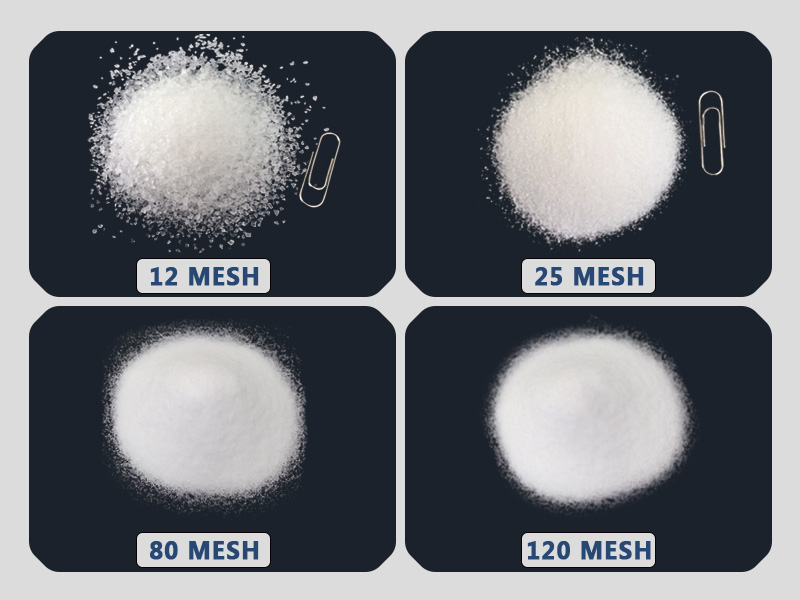
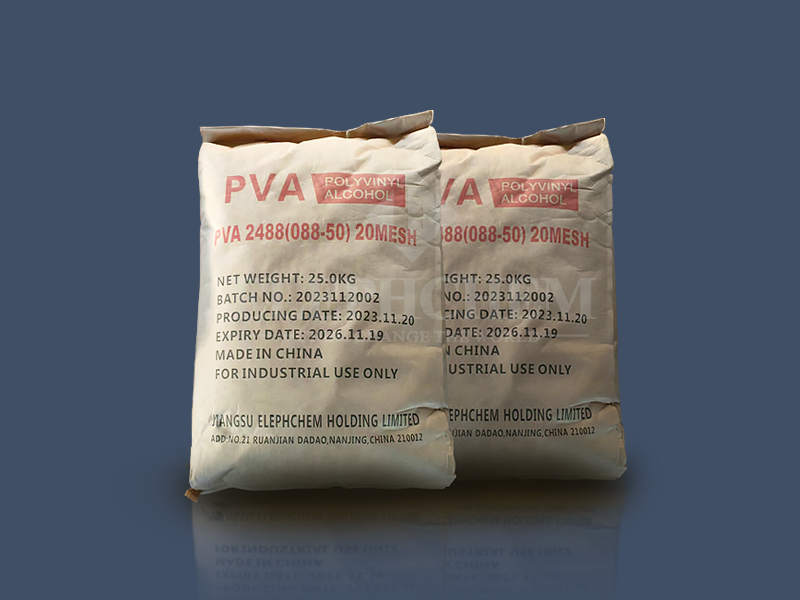
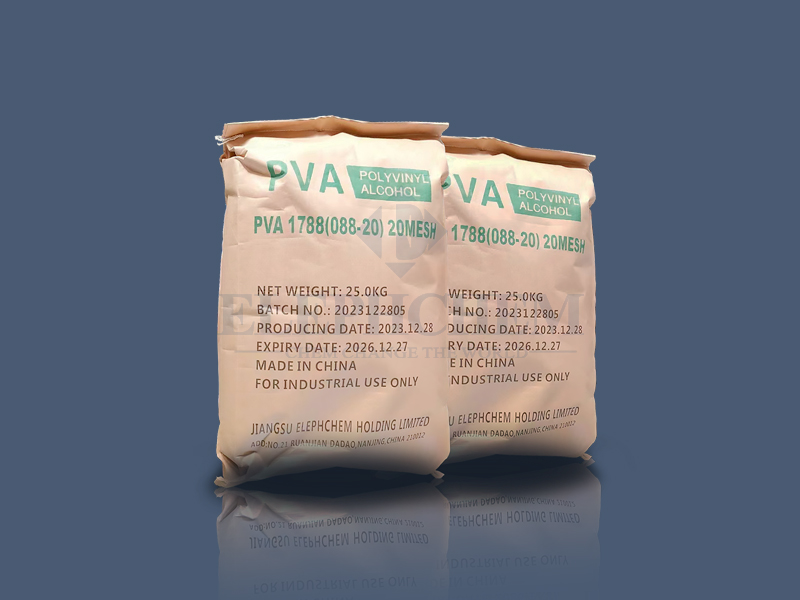
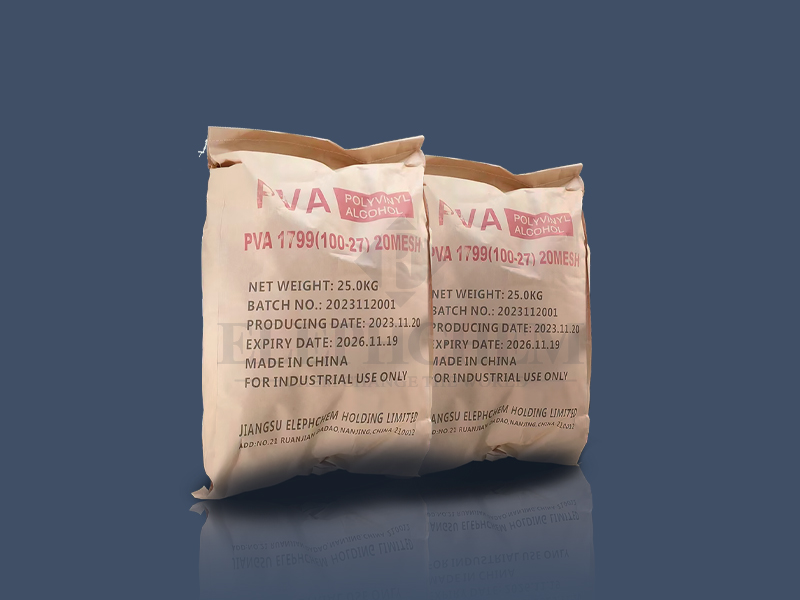
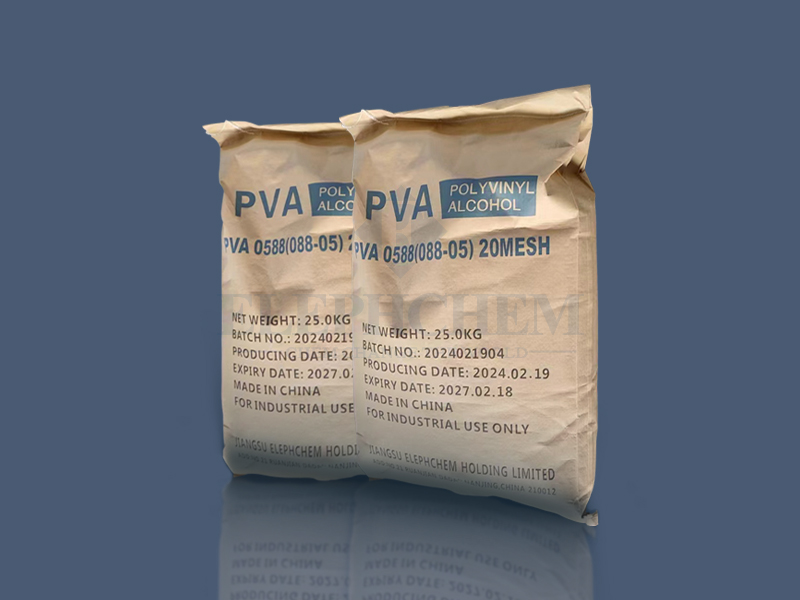
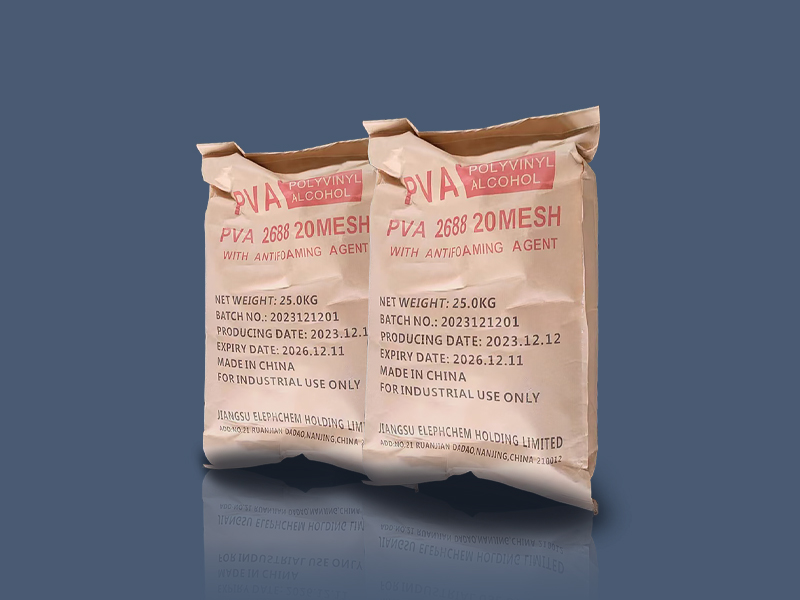
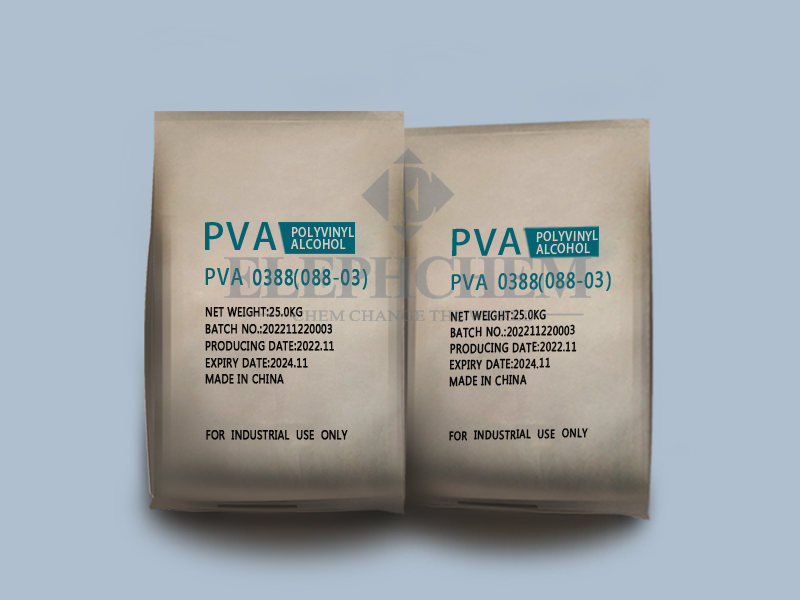
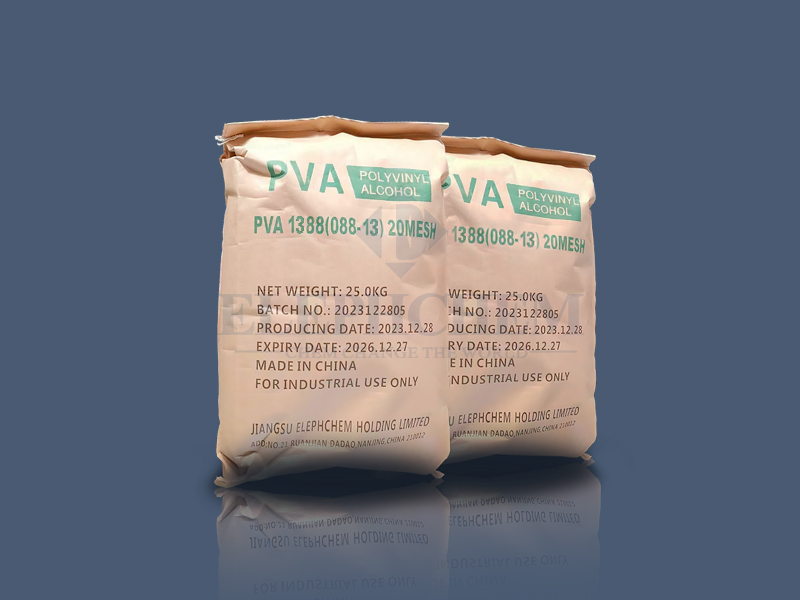
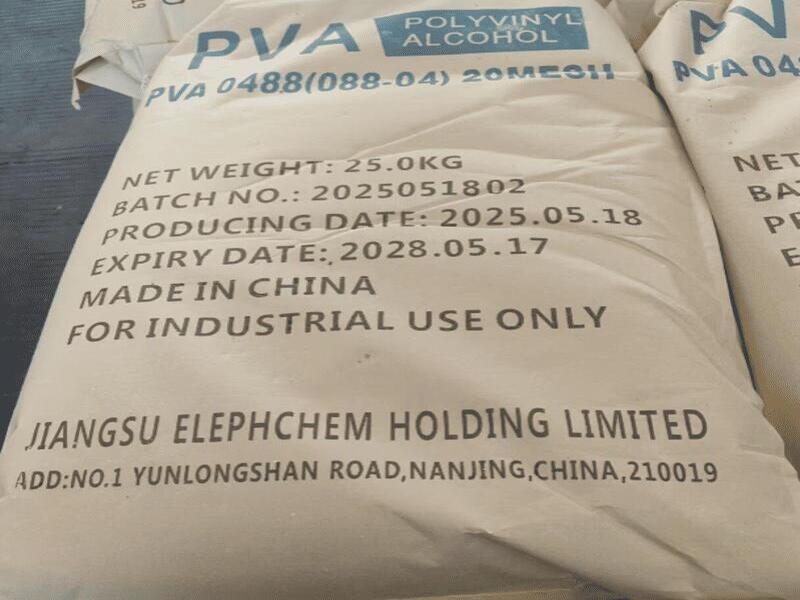
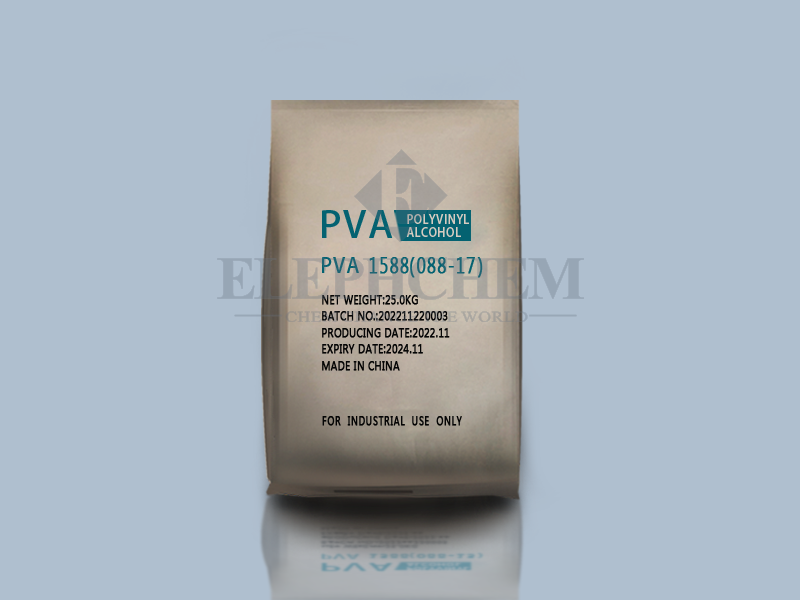
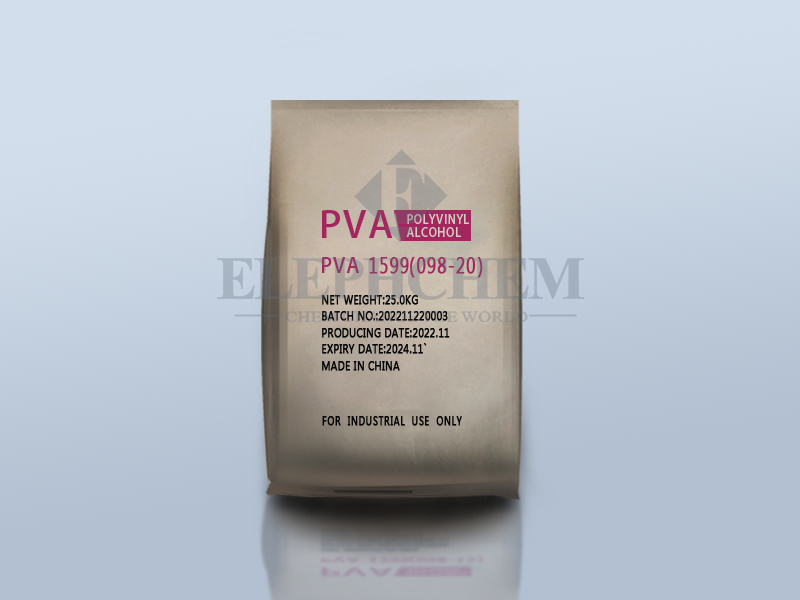
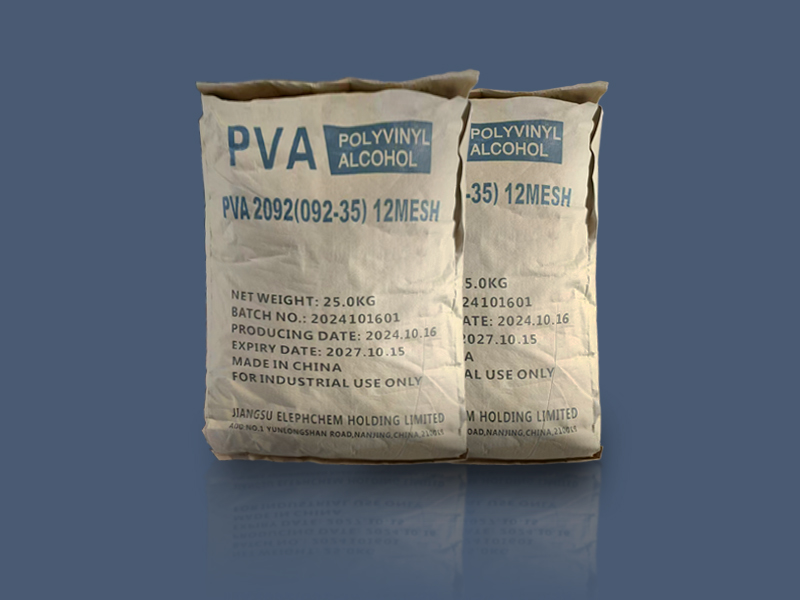
Overview Polyvinyl alcohol (PVA for short), organic compound, white flake, flocculent or powdered solid, non-toxic, tasteless, pollution-free, can be dissolved in 80--90 °C water. Slightly soluble in dimethyl sulfoxide. Its aqueous solution has good adhesion and film-forming properties; It has chemical properties such as esterification, etherification and acetalation of long-chain polyols. It is a water-soluble polymer with a wide range of uses, its performance is between plastic and rubber, and its uses can be divided into fiber and non-fiber two major uses.
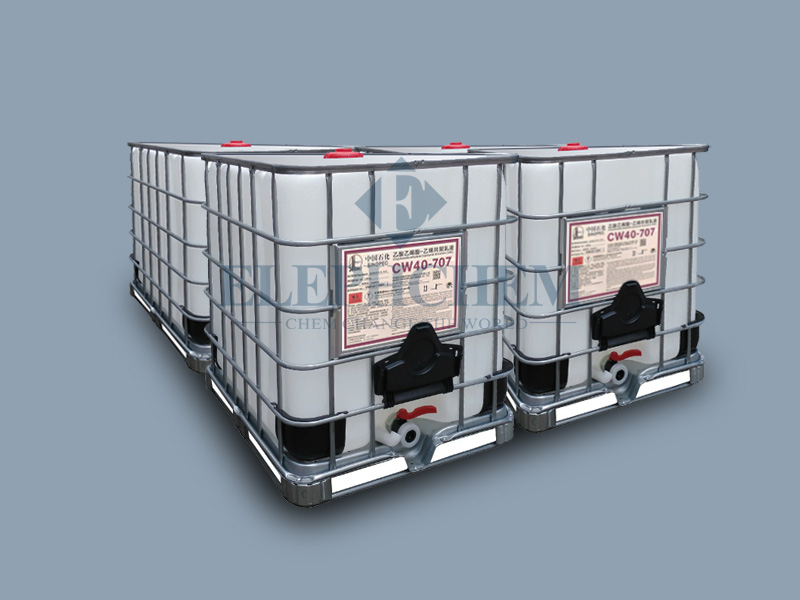
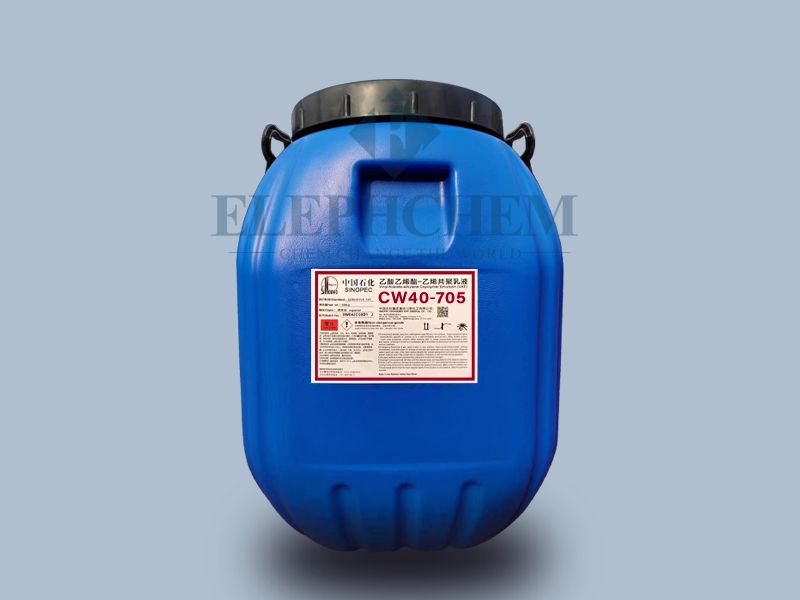
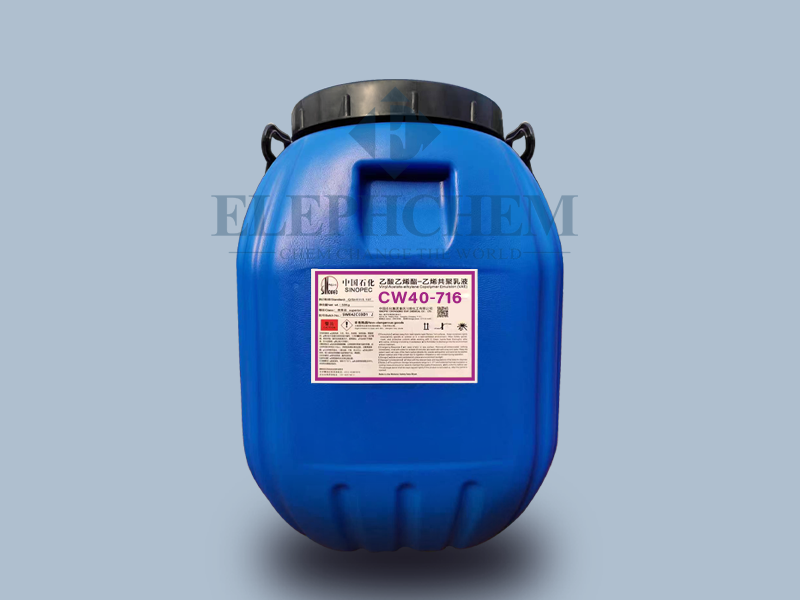
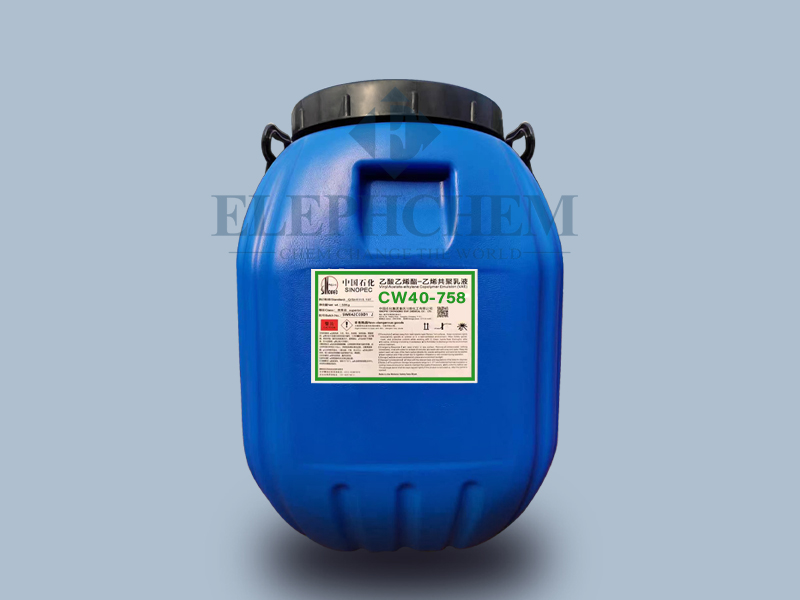
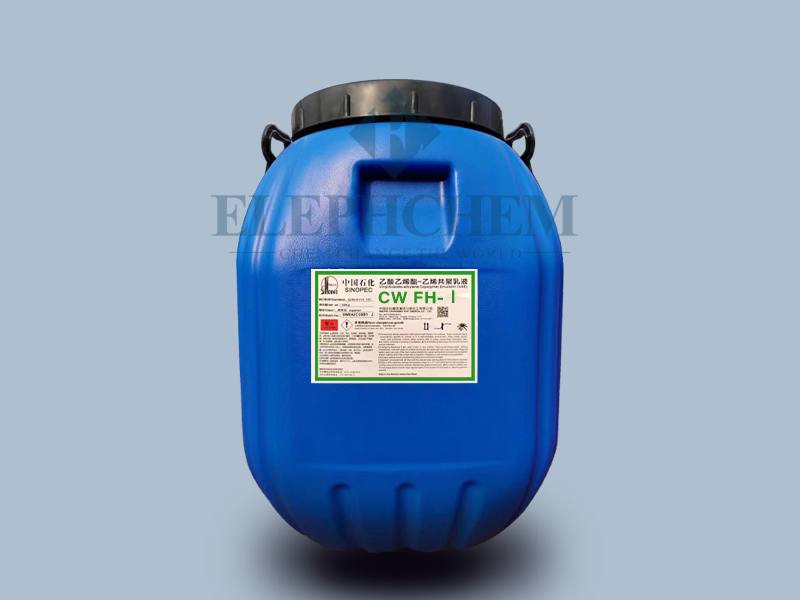
Overview VAE emulsion is short for ethylene acetate-ethylene copolymerization emulsion, which is a polymer emulsion made of ethylene acetate and ethylene monomer as the basic raw materials and other auxiliary materials through emulsion polymerization. Ethylene and vinyl acetate copolymer is the most important product of ethylene copolymer, generally referred to as EVA. Products with ethylene acetate content in the range of 70%~95% are usually in the emulsion state, called VAE emulsions.
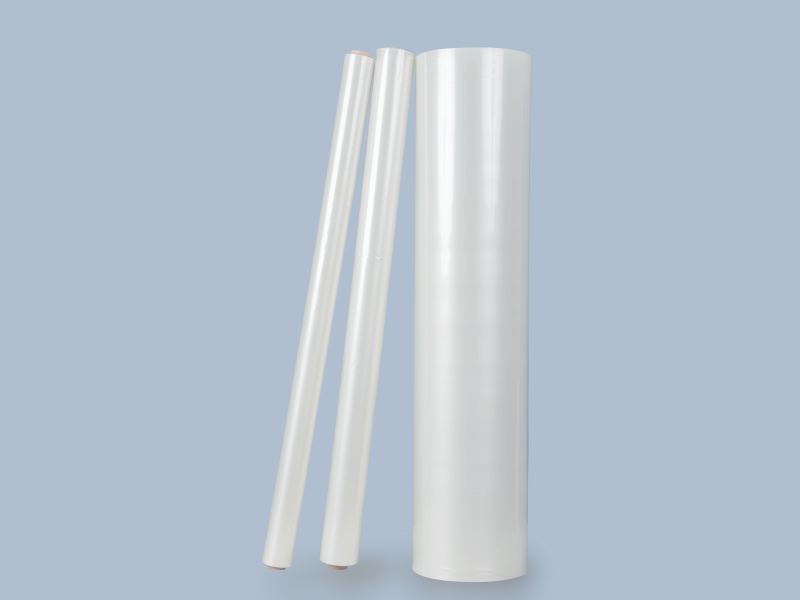
Overview Polyvinyl alcohol film is made of polyvinyl alcohol as the main component, adding additives such as modifiers, and processed by special technology. PVA film is a green functional material that can be degraded into carbon dioxide and water by microorganisms in the soil in a short time which has the effect of improving land conditions.
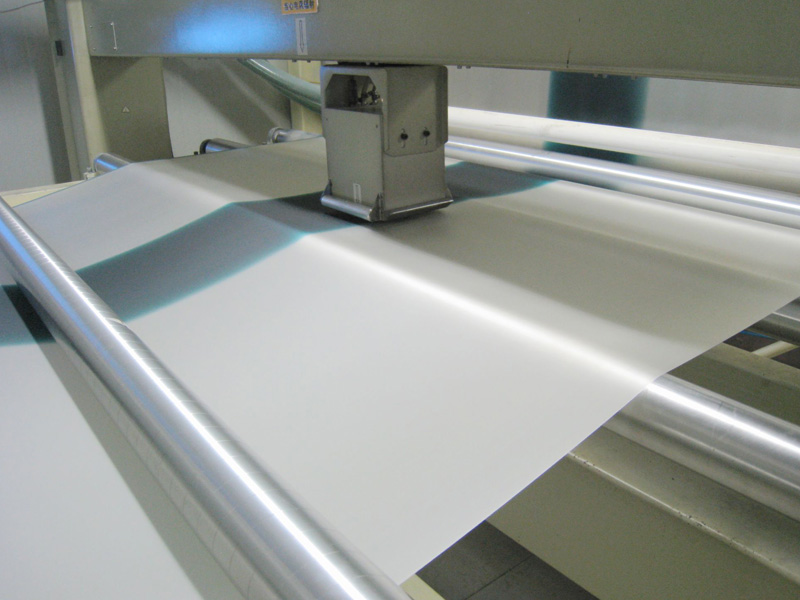
Overview PolyVinyl Butyral Film(PVB film) is also known as PVB interlayer.Its essence is a thermoplastic resin film, which is produced from PVB resin plus plasticizer. Since it is produced from plastic resin, it has the characteristics of recyclable processing and reusability.The appearance is translucent film, no impurities, smooth surface, with a certain roughness and good softness, with the adhesion of inorganic glass, transparent, heat resistance, cold resistance, moisture resistance and high mechanical strength characteristics.
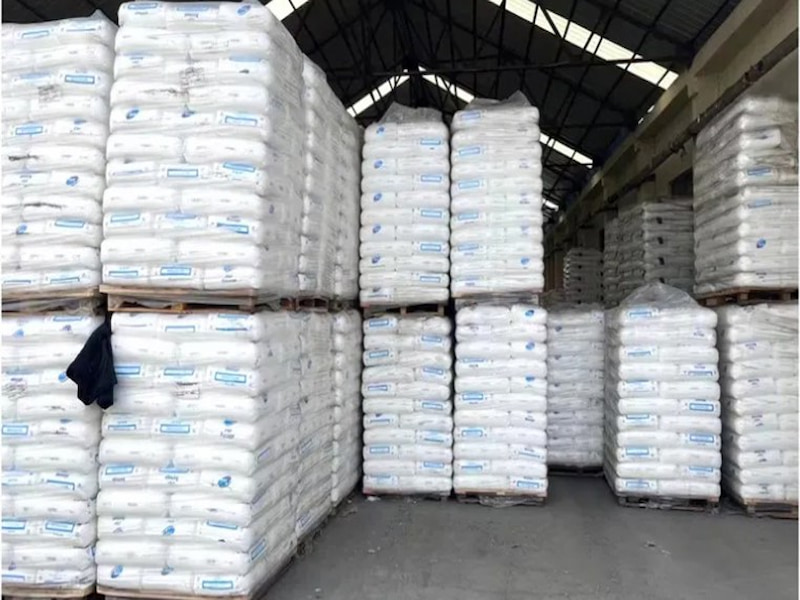
Overview V series EVA resin is produced by advanced high-pressure tubular process, offering excellent transparency, flexibility, thermal adhesion, and stress cracking resistance. It is widely used in various composite materials, foamed products, and industrial modification sectors.
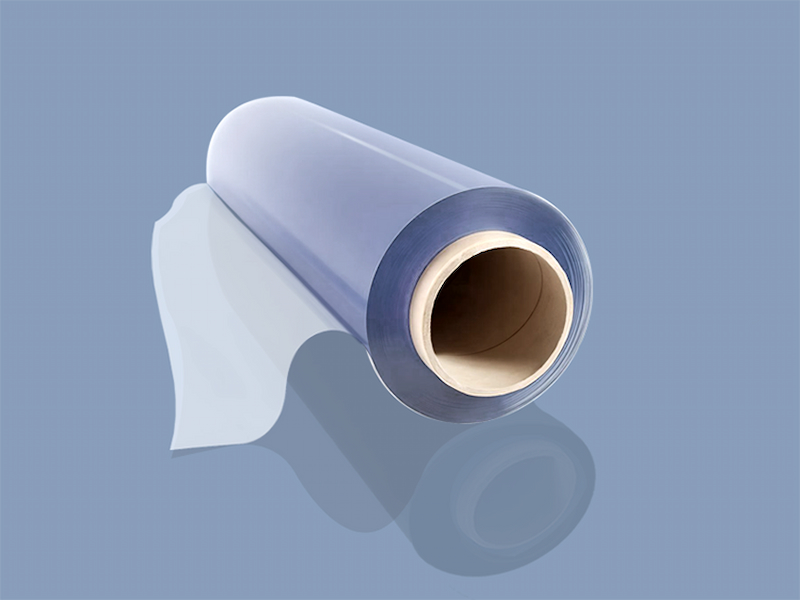
Overview Modified polyvinyl alcohol (PVOH) is graded according to different degrees of polymerization, hydrolysis and copolymerization monomers. The modification of PVA is mainly to use the double bonds, ester groups and the chemical activity of the hydroxyl group after alcoholization of vinyl acetate to change the side chain group or structure, and introduce other monomers to become copolymers dominated by PVA.
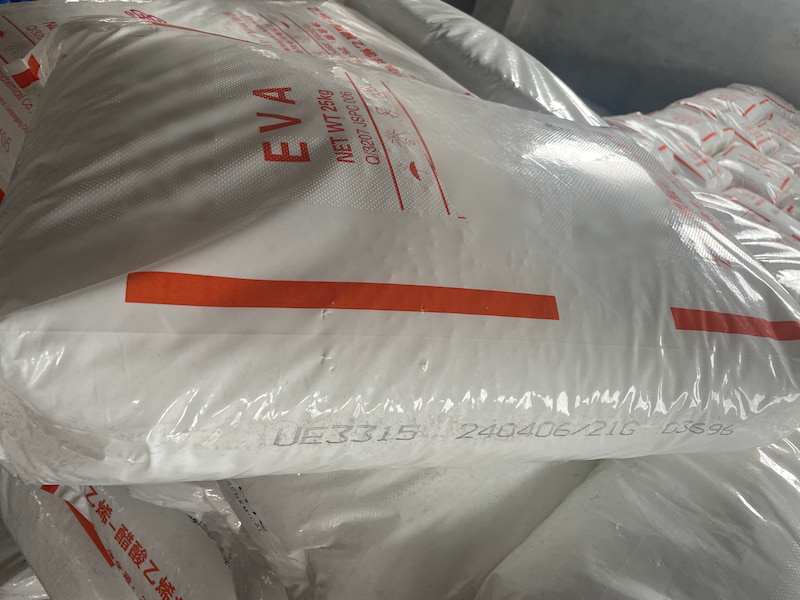
Overview The UE series EVA resin is produced using the high-pressure autoclave polymerization process. Compared with the tubular process, products manufactured via this process offer superior control over molecular weight distribution and enhanced processing stability, making them particularly excellent in hot-melt adhesive applications and high-demand foaming sectors.
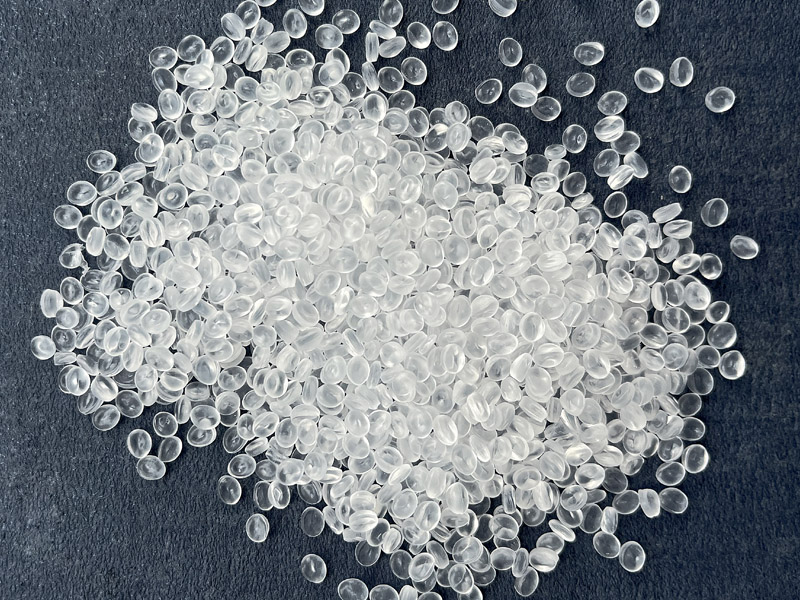
Overview EVA is a thermoplastic copolymer manufactured through the free radical polymerization of ethylene and vinyl acetate in the presence of initiating agents using the high-pressure bulk polymerization process. EVA's properties vary dramatically from one product to another depending on the content of vinyl acetate in the macromolecule. EVAs with different properties are used for different purposes.
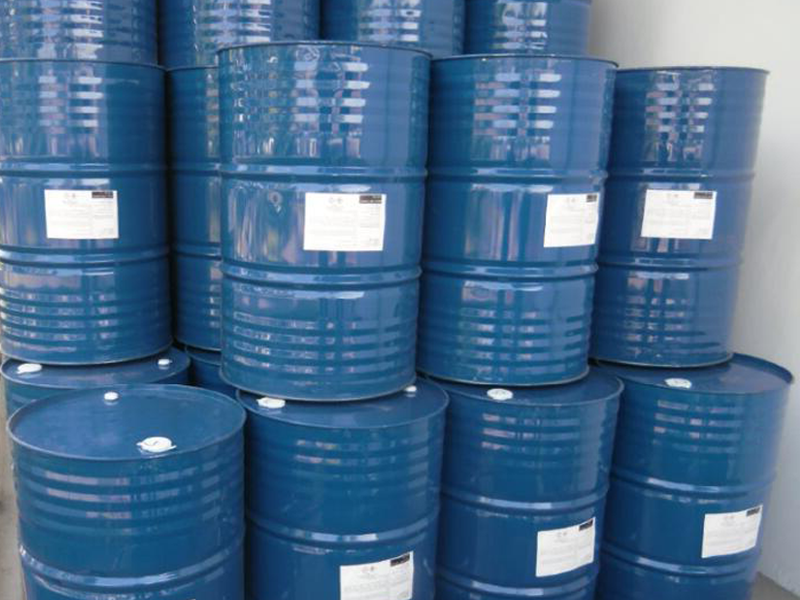
Overview Vinyl Acetate Monomer (VAM) is a colorless flammable liquid with sweet ether flavor. There are several different raw materials such as acetylene method, ethylene method, acetaldehyde acetic anhydride and so on. The route of ethylene raw materials is different according to the process, and there are different methods such as ethylene gas phase method and ethylene liquid phase method.
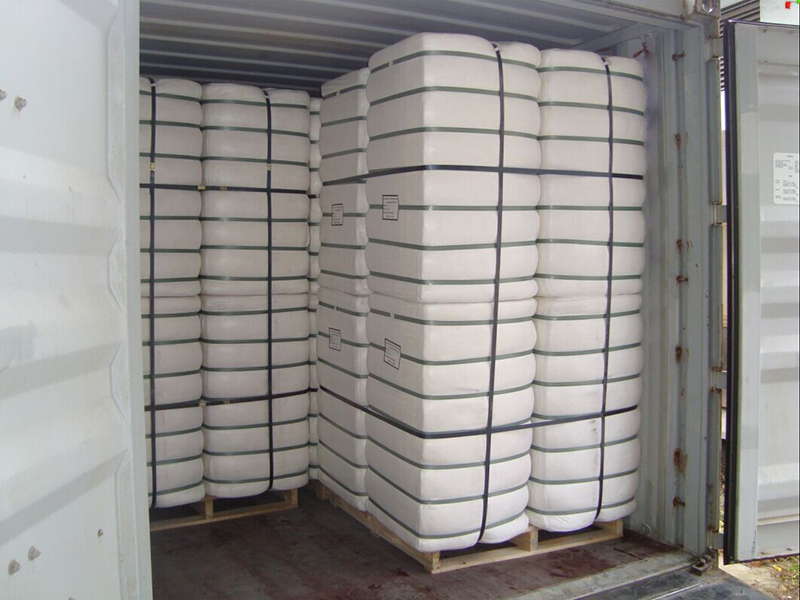
Overview Water soluble PVA fiber is a kind of PVA fiber made from polyvinyl alcohol through wet spinning, heat treatment and crimping-oiling in water at normal temperature. It is good in dry heat stability, physical and mechanical properties. The remarkable characteristic is its total dissolving in water at a range of temperature. This kind of PVA fiber is mainly used in Textile industry for making the yarn and cotton.
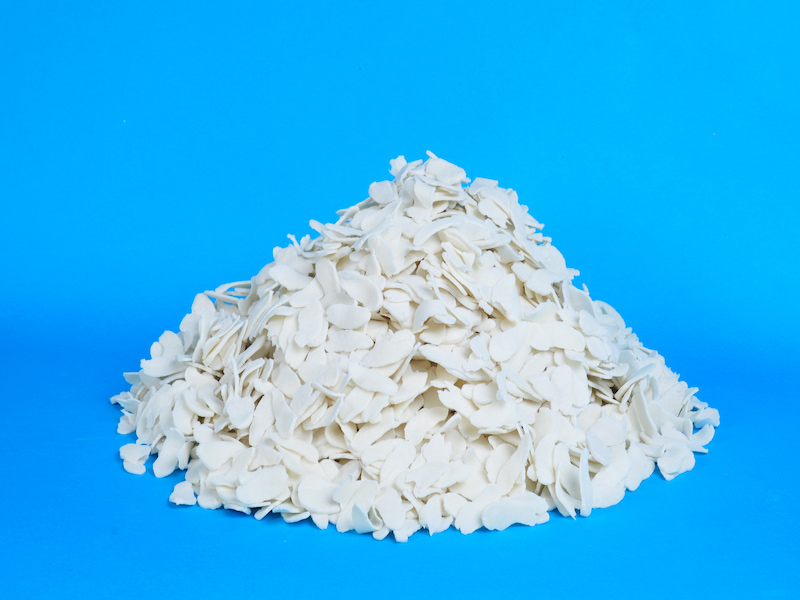
Overview Provided that compounds are are appropriately formulated and processed, the resulting vulcanizates demonstrate excellent resistance to environmental factors such as weather and ozone. Additionally, they exhibit strong resistance to aging, hot air, and various chemicals, as well as adequate resistance to oils and gasoline. Furthermore, these materials possess favorable mechanical and physical characteristics, along with notable abrasion resistance.
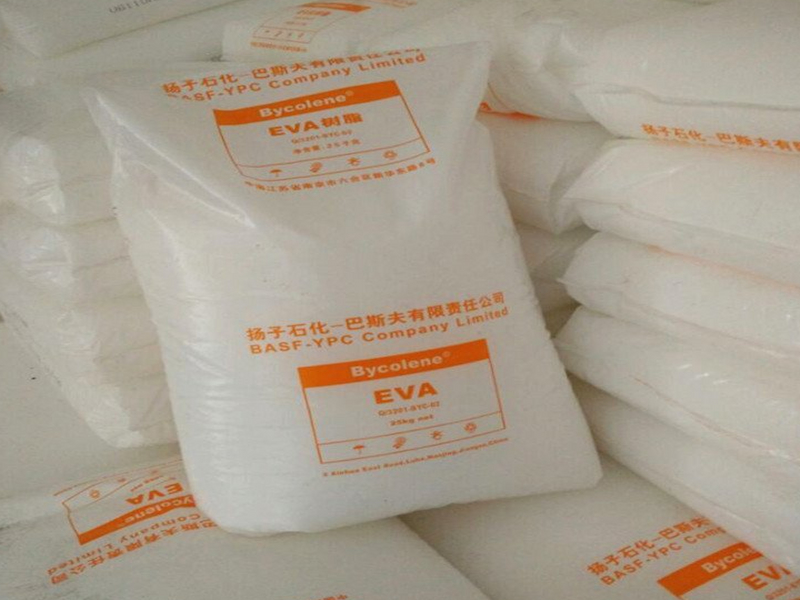
Overview EVA V5110J is a premium random copolymer of ethylene and vinyl acetate (EVA) produced via an advanced high-pressure tube polymerization process. Engineered for high performance, V5110J delivers an exceptional balance of toughness, resilience, softness, flexibility, and polarity. It exhibits superior compatibility with a wide range of inorganic fillers, as well as various other resins and elastomers, making it an ideal choice for compounding and complex structural formulations.
Overview High Strength High Modulus PVA Industrial Fiber takes polyvinyl alcohol as its major raw materials. It has good prosperities such as high modulus, high strength, alkali and acid resistance, heat resistance, anti-crack, anti-infiltration and so on. High strength and high modulus PVA fiber also has good compatibility with cement and other macromolecule material and can prevent the microcrack caused by plastic shrinkage of the concrete.
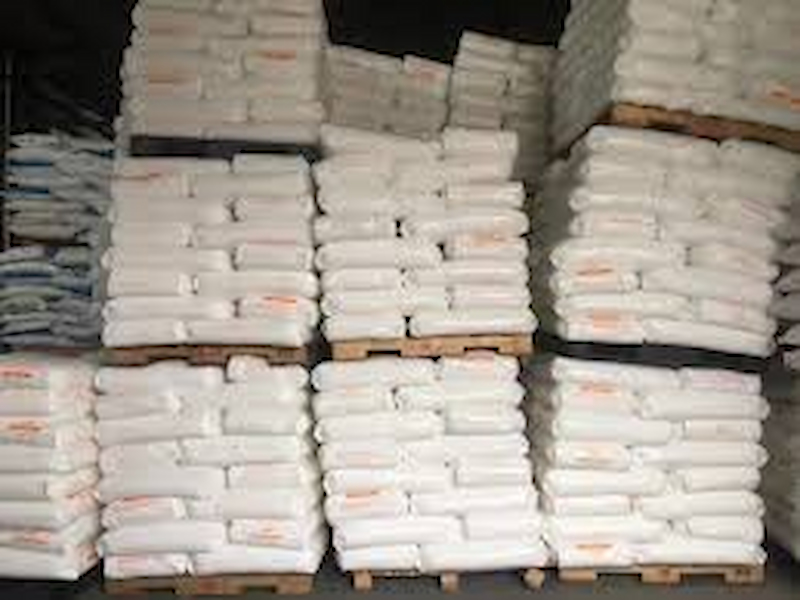
Overview EVA V6110M is a high-quality ethylene-vinyl acetate (EVA) random copolymer manufactured through an advanced high-pressure tubular polymerization process. Featuring a high vinyl acetate (VA) content of 26% and a melt index of 6.0 g/10 min, V6110M offers an exceptional balance of superior toughness, long-term resilience, and outstanding flexibility. Thanks to its higher polar VA content, V6110M displays excellent compatibility with a wide variety of inorganic fillers (such as flame retardants) and matrix resins, making it a highly reliable grade for demanding compounding applications.
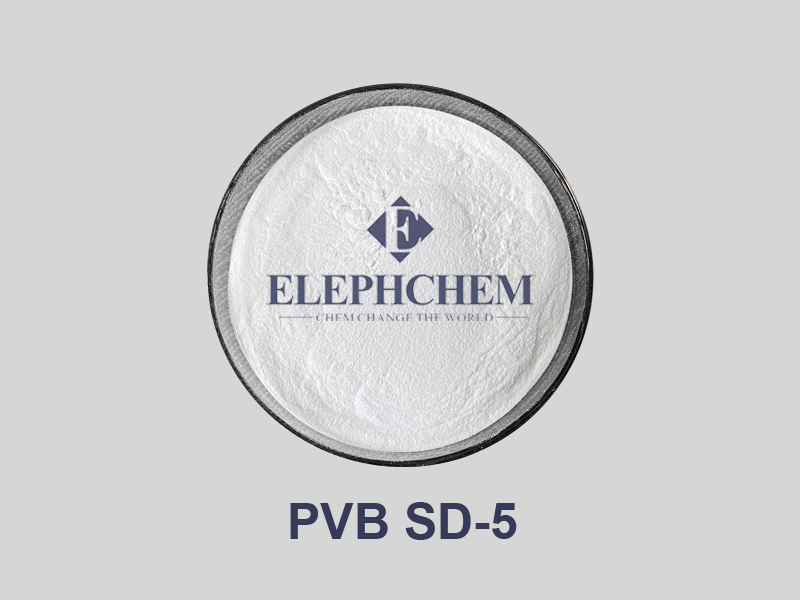
Overview Polyvinyl butyral (PVB for short) is the product of acid catalysis of polyvinyl alcohol and butyraldehyde. Because PVB molecules contain long branched chains, they have good compliance, low glass transition temperature, and high tensile strength and impact strength. PVB has excellent transparency, good solubility, good light resistance, water resistance, heat resistance, cold resistance and film formation. It has high adhesion to materials such as glass and metal (especially aluminum). Therefore, it has been widely used in the manufacture of laminated safety glass, adhesives, ceramic paper, aluminum foil, electrical materials, FRP products, fabric treatment agents and other fields, and has become an indispensable synthetic resin material.
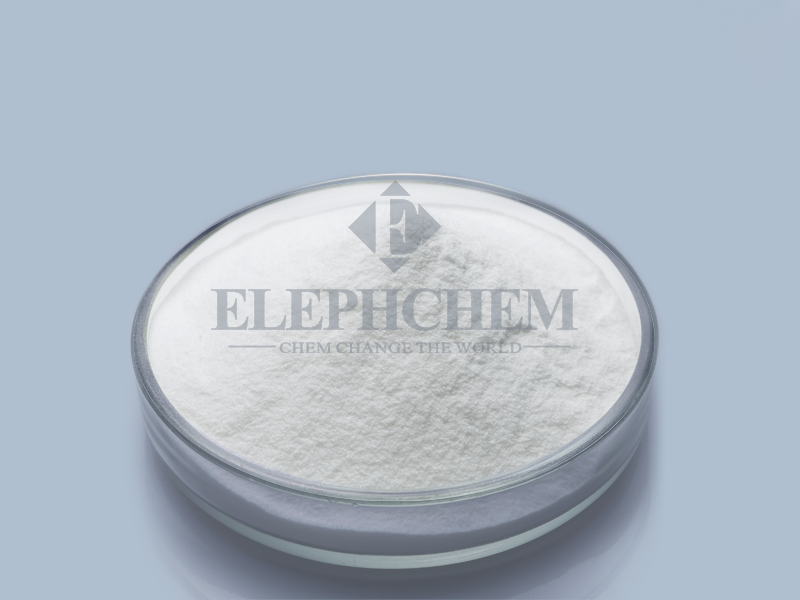
Overview Dispersible polymer powder is a modified emulsion powder obtained by spray drying of a binary or ternary copolymer of vinyl acetate and tertiary vinyl carbonate-VeoVa or ethylene or acrylate, which has good redispersibility, redispersed into an emulsion when in contact with water, and its chemical properties are exactly the same as the initial emulsion.
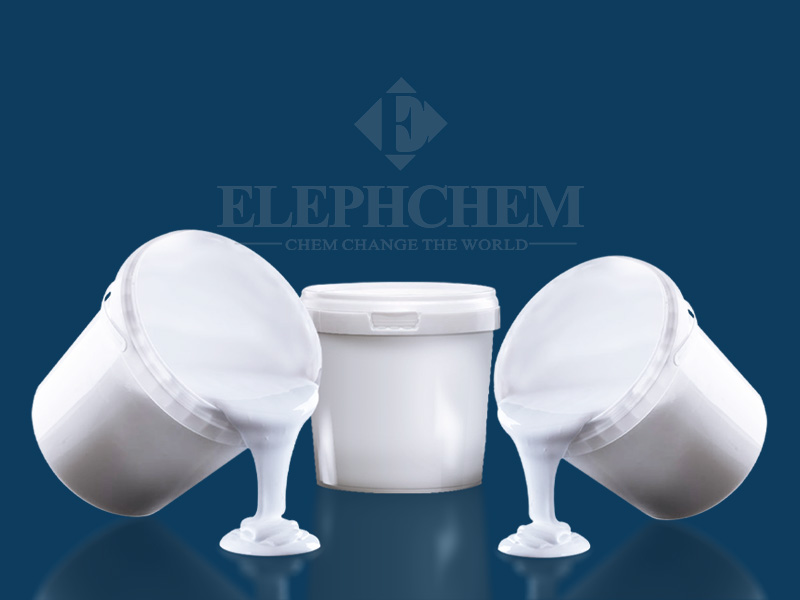
Overview Polyvinyl acetate multipurpose white glue series adopts the latest process and formula to produce water-based adhesives, which have the advantages of high adhesion, fast curing and easy brushing, which effectively solves the problem of low bonding strength and long curing time of white glue, and has good water resistance and moisture resistance after curing.
Overview JiangSu ElephChem Holding Limited offers a wide range of chloroprene rubber products, primarily including seven major series: CR244, CR248, CR232, CR121, CR322, DCR213, and DCR114. These products boast a complete range of grades, excellent quality, and outstanding cost-effectiveness. They include slow-crystallizing, cold-resistant rubber series products comparable to those of Denka and ARLANXEO, and have received widespread acclaim from domestic and international customers.
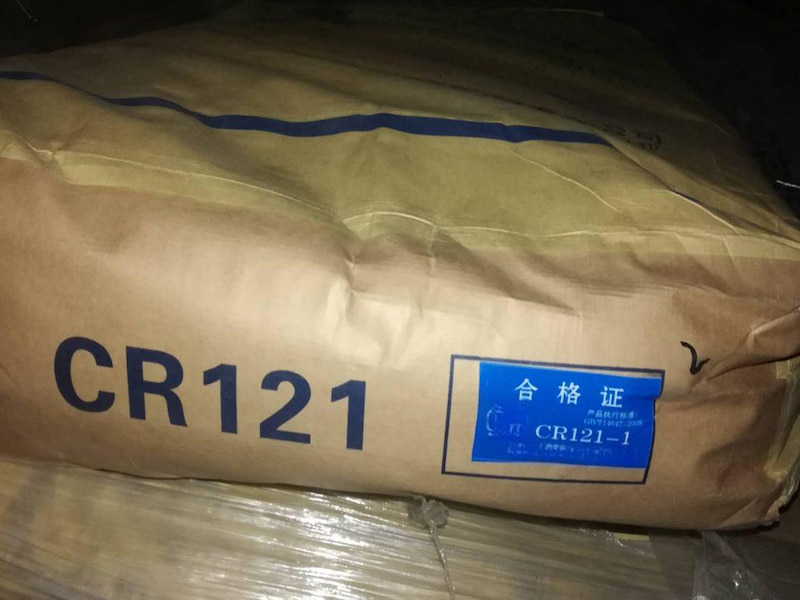
Overview Neoprene Chloroprene Rubber CR121 is a chloroprene polymer with sulfur as a modifier. It has a medium-low crystallization rate, a density of 1.23, and is a beige or light brown lumpy substance. It possesses good tear resistance and flexural strength.
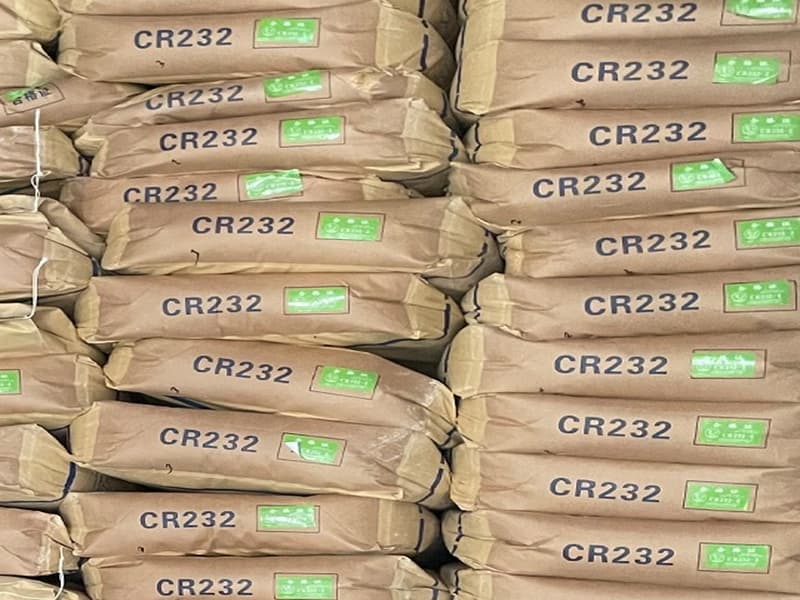
Overview This product is a chloroprene polymer with diisopropyl xanthogen disulfide or dodecyl mercaptan as a regulating agent. It has a medium crystallization rate, a density of 1.23, and is an off-white or yellowish block-shaped solid. It possesses good heat resistance and high-temperature stability.
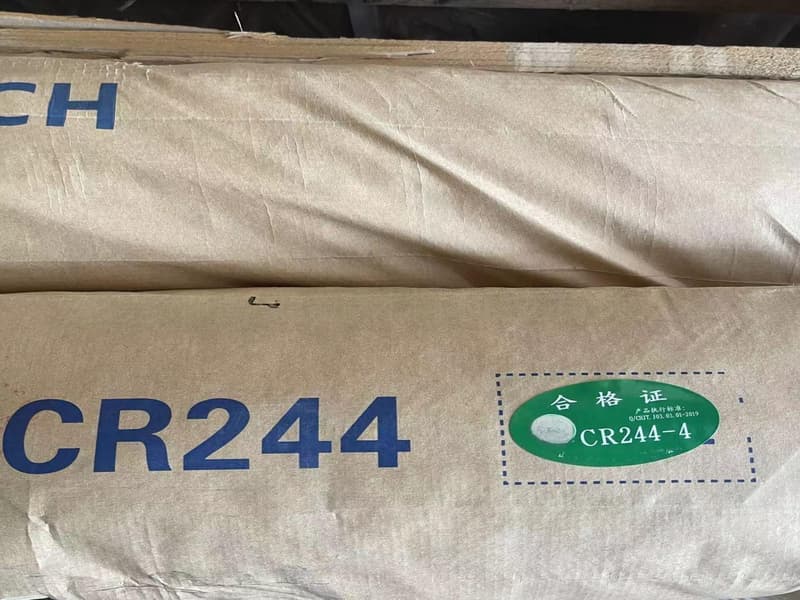
Overview Polychloroprene Rubber CR244 is a chloroprene polymer regulated with diisopropyl xanthogen disulfide or dodecyl mercaptan. It has a fast crystallization rate, a density of 1.23, and appears as off-white or beige flakes. It has a regular molecular structure and high cohesive strength, resulting in high adhesive strength at room temperature, making it the main base material for chloroprene adhesives.
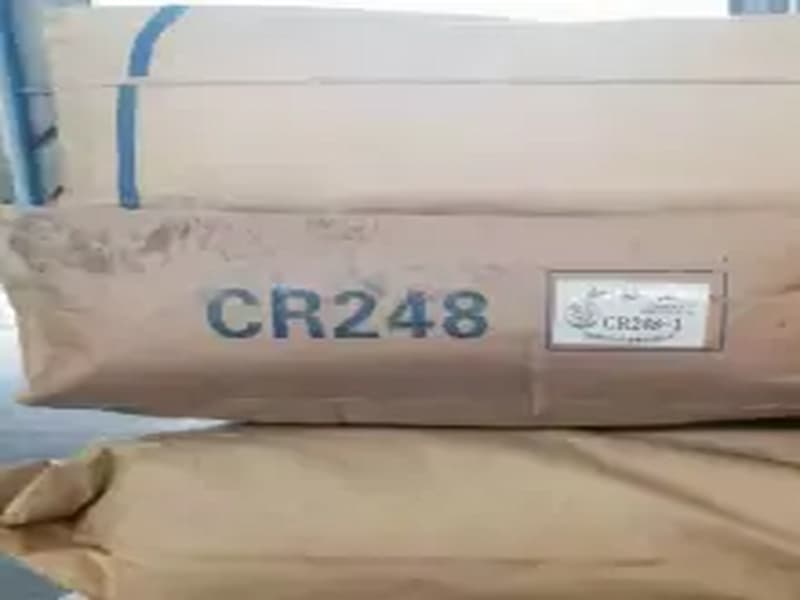
Overview Adhesive Type CR248 Chloroprene Rubber is a chloroprene polymer with dodecyl mercaptan as a regulator, having a density of 1.23 and appearing as an off-white or yellowish sheet.
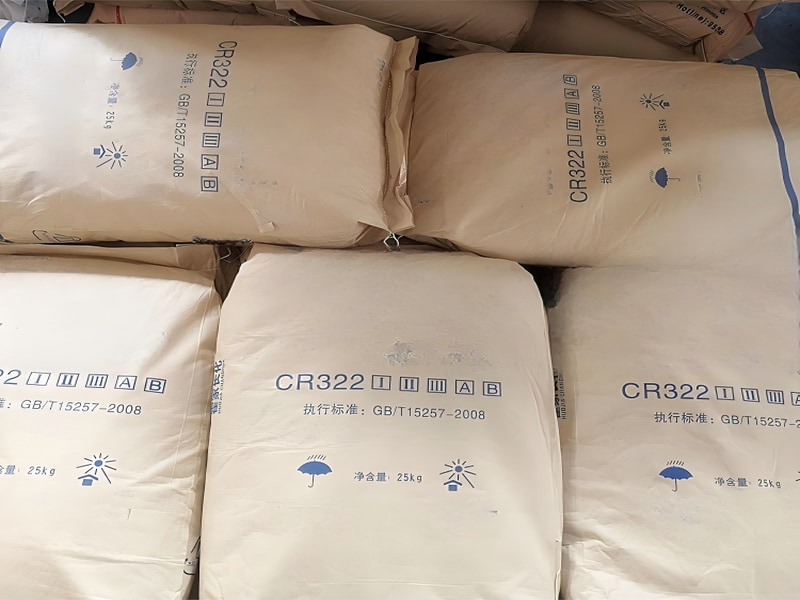
Overview CR 322 Series Neoprene is a chloroprene polymer using sulfur and diisopropyl xanthogen disulfide as mixed modifiers. It has a medium-to-low crystallization rate, a density of 1.23, and appears as yellowish or light brown blocks. It exhibits high tear strength and superior processing performance compared to sulfur-modified rubber.
Overview DCR114 Series Chloroprene Rubber is a copolymer of chloroprene and dichlorobutadiene, using sulfur as a regulator. It has a density of 1.23 and is a yellowish or light brown block-shaped material. It possesses excellent anti-crystallization properties and good molding adhesion, making it the preferred rubber for high-strength dynamic products, and also exhibiting high cold resistance.
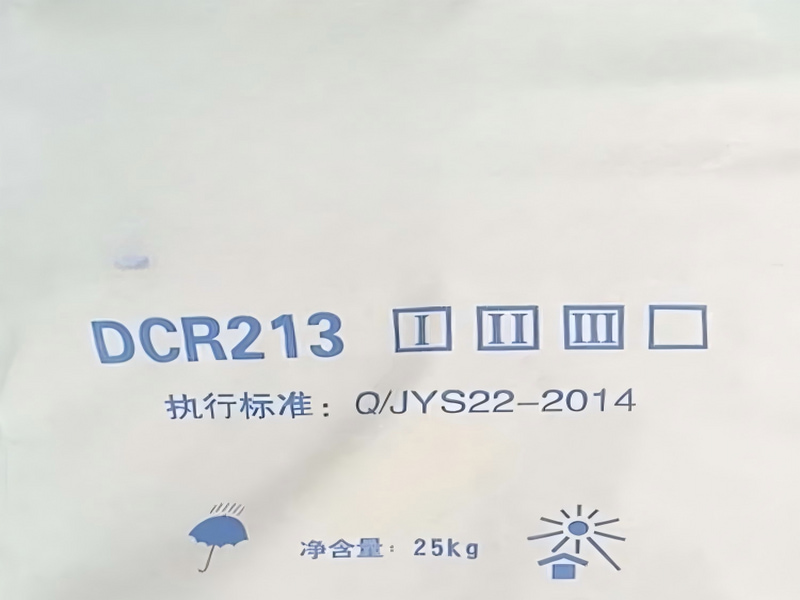
Overview Polychloroprene Rubber DCR213M is a copolymer of chloroprene and dichlorobutadiene, using dodecyl mercaptan as a regulator. It has a density of 1.23 and is a milky white or beige block-shaped solid. It possesses excellent resistance to crystallization.
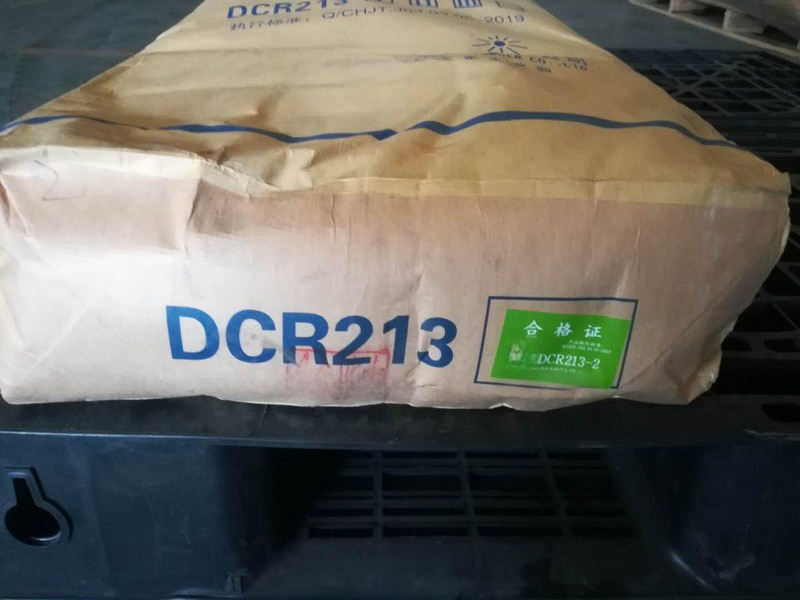
Overview Polychloroprene Rubber DCR213X is a chloroprene rubber produced by emulsion polymerization using diisopropyl xanthogen disulfide as a regulator and chloroprene and dichlorobutadiene as comonomers. It has a density of 1.23 and is an off-white or yellowish block-shaped material. It exhibits excellent resistance to crystallization.
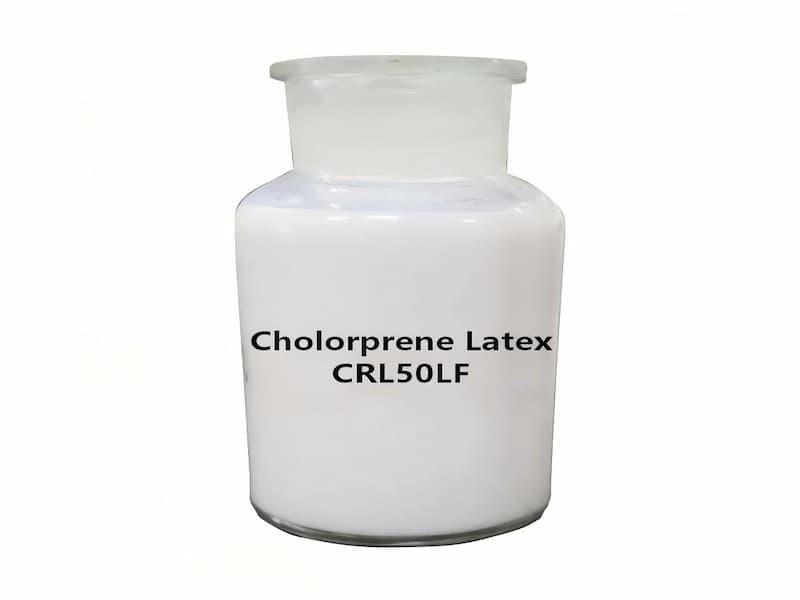
Overview Chloroprene Neoprene Latex CRL50LF is a chloroprene rubber latex produced by free-radical emulsion polymerization using chloroprene as the monomer and disproportionated rosin soap as the emulsifier. The particles are negatively charged. This latex is a high-gel type latex, possessing the general characteristics of chloroprene rubber and excellent storage stability. It also exhibits good anti-crystallization properties, excellent film-forming properties, high tensile strength, good solvent resistance, chemical resistance, and weather resistance.
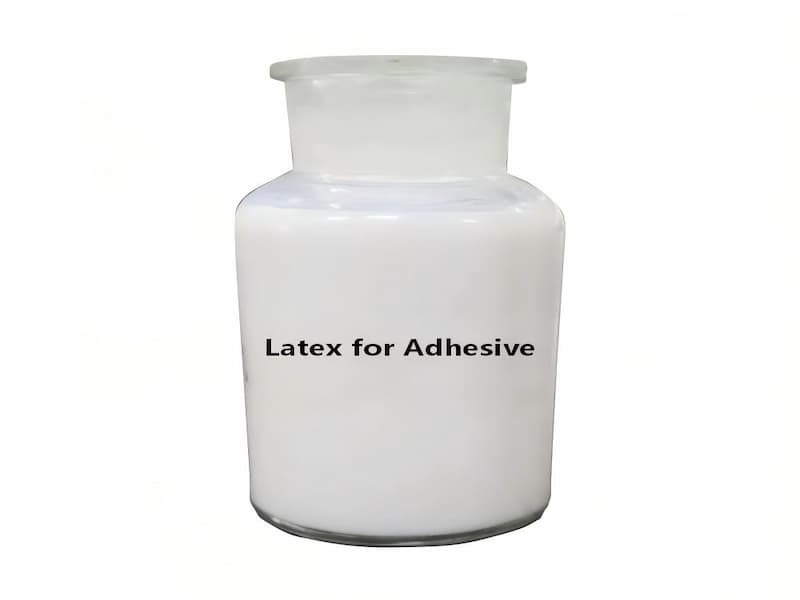
Overview Latex for Adhesive is a chloroprene latex produced by free-radical emulsion polymerization using chloroprene as the monomer and disproportionated rosin soap as the emulsifier. The particles carry a negative charge. This latex is a high-gel type latex, possessing the general characteristics of chloroprene rubber and excellent storage stability. It also exhibits good rapid crystallization properties, excellent adhesion, good solvent resistance, chemical resistance, and weather resistance.



 IPv6 network supported