
In the evolving landscape of polymer science, Modified Polyvinyl Alcohol (Modified PVA) has emerged as a cornerstone for high-performance applications. While traditional PVA is widely recognized for its water-solubility and film-forming capabilities, modified variants represent a significant leap forward. By fine-tuning the molecular architecture, manufacturers provide industries with tailored solutions that bridge the gap between standard utility and specialized excellence.
1. What is Modified Polyvinyl Alcohol?
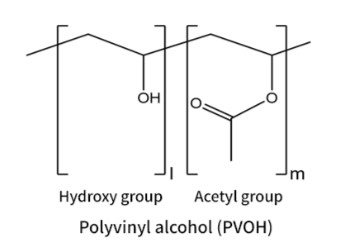
Modified PVA is a synthetic polymer derived from Vinyl Acetate Monomer (VAM). Unlike standard PVA, which is produced through the hydrolysis of polyvinyl acetate, modified PVA undergoes additional chemical processing—such as copolymerization or post-modification—to alter its core properties.
By adjusting the Degree of Polymerization (DP) and the Degree of Hydrolysis (DH), or by introducing specific functional groups like sulfonic acid or acetoacetyl groups, chemists can create a material that outperforms its predecessor in adhesion, flexibility, and chemical resistance.
2. Physical Forms and Supply Chain Logistics
To meet diverse industrial requirements, Modified PVA is supplied in various physical formats, each optimized for specific handling and processing workflows:
Globally, these products are tracked under HS Code 3905.3000, ensuring seamless logistics and regulatory compliance for international procurement.
3. Chemical Properties and Molecular Engineering
The versatility of Modified PVA lies in its pendant hydroxyl (-OH) groups, which are highly reactive and capable of forming strong hydrogen bonds.
In many advanced formulations, Modified PVA is used alongside complementary chemicals such as Starch, Cellulose Ethers (HEC/MHEC), and Ethylene Vinyl Acetate (EVA) emulsions to create synergistic effects.
4. Key Industrial Applications: Finding the Solution
Modified PVA is not just a raw material; it is a problem-solver in the manufacturing line:
5. Safety, Stability, and Sustainability
In today’s regulatory environment, safety is paramount. Modified PVA is generally regarded as non-toxic and non-hazardous. However, professional handling remains essential:
Website: www.elephchem.com
whatsapp: (+)86 13851435272
E-mail: admin@elephchem.com



 IPv6 network supported