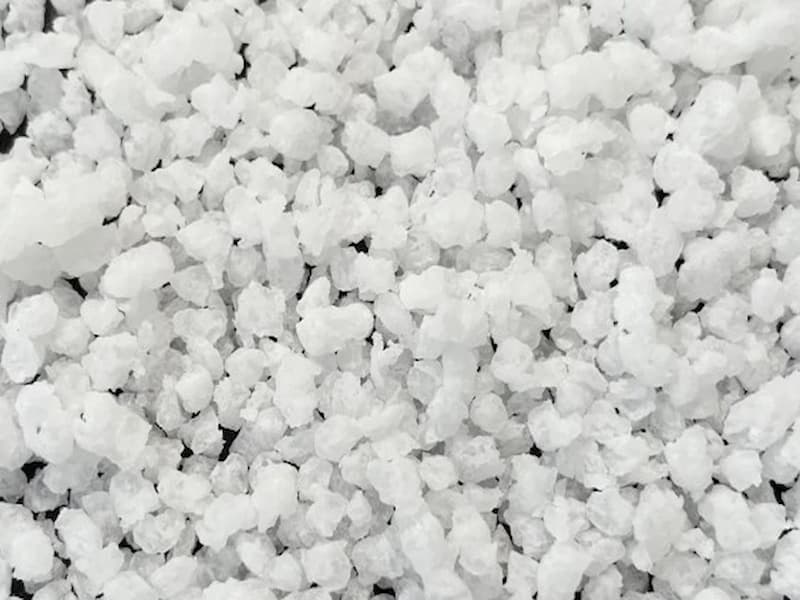


SIS (Styrene-Isoprene-Styrene Block Copolymer) typically features a linear, radial (star), or mixed molecular structure. The radial structure often exhibits superior adhesive performance due to its more regular morphology. Combining the processing characteristics of thermoplastics with the elasticity of vulcanized rubber, SIS is widely used in hot melt pressure-sensitive adhesives (HMPSA), sealants, and modified bitumen for roofing waterproofing membranes.
Features:
Styrene Isoprene Styrene Block Copolymer (SIS) Product Summary:
| Grades | YH-1105 | YH-1106 | YH-1209 | YH-1124 | YH-1126 | YH-4019 | YH-1125 | YH-1128 |
| Structure | Linear | Linear | Linear | Linear | Linear | Radial | Radial | Linear |
| SM Content (%) | 15 | 16 | 29 | 14 | 16 | 19 | 25 | 15 |
| Volatile Matter (wt %) | ≤ 0.7 | ≤ 0.7 | ≤ 0.7 | ≤ 0.7 | ≤ 0.7 | ≤ 0.7 | ≤ 0.7 | ≤ 0.7 |
| SI Content (%) | 0 | 17 | 0 | 24 | 50 | 30 | 25 | 38 |
| Tensile Strength (Mpa) | 13 | 10 | 15 | 8 | 5 | 12 | 10 | 12 |
| Hardness (Shore A) | 41 | 40 | 61 | 38 | 38 | 45 | 54 | 38 |
|
Melt Flow Rate (200℃ ,5kg) (g/10 min) |
10 | 11 | 10 | 10 | 11 | 10 | 9 | 23 |
|
Toluene Solution Viscosity (25 ℃, 25%) (Mpa.s) |
1250 | 900 | 320 | 1200 | 900 | 350 | 500 | 600 |
| Form | White Fluffy Particle | |||||||
| Notes | FDA177.1810,FDA177.2600,Regulation (EC) No 1935/2004 | |||||||
| Applications | ||||||||
| Pressure Sensitive Adhesive | • | • | • | • | • | • | • | • |
| Label Adhesive | • | • | • | • | ||||
| Sanitary Adhesive | • | • | • | |||||
| Waterproof Membrane | • | |||||||
| Grades | YH-1125H | YH-1108 | YH-4016 | YH-4015 | YH-1716 | YH-1716L | YH-4203 |
| Structure | Linear | Linear | Radial | Hybrid | Linear | Linear | Linear |
| SM Content (%) | 30 | 16 | 18 | 15 | 17 | 16 | 23 |
| Volatile Matter (wt %) | ≤ 0.7 | ≤ 0.7 | ≤ 0.7 | ≤ 0.7 | ≤ 0.7 | ≤ 0.7 | ≤ 0.7 |
| SI Content (%) | 25 | 20 | 75 | 15 | 62 | 66 | 20 |
| Tensile Strength (Mpa) | 13 | 10 | 3 | 10 | 2.8 | 2.3 | 12 |
| Hardness (Shore A) | 60 | 40 | 40 | 38 | 35 | 30 | 52 |
|
Melt Flow Rate (200℃ ,5kg) (g/10 min) |
12 | 13 | 23 | 10 | 5 | 7 | 2 |
|
Toluene Solution Viscosity (25 ℃,25%) (Mpa.s) |
250 | 850 | 500 | 1300 | 1200 | 1250 | 900 |
| Form | White Fluffy Particle | ||||||
| Notes | FDA177.1810,FDA177.2600,Regulation (EC) No 1935/2004 | ||||||
| Applications | |||||||
| Pressure Sensitive Adhesive | • | • | • | • | • | • | • |
| Label Adhesive | • | ||||||
| Sanitary Adhesive | • | • | |||||
| Flexographic Printing | • | ||||||
| Waterproof Membrane | • | • | • | ||||
Package:
20kg PE bag 520/740kg super bag.
Storage:
Store at room temperature (below 30°C), away from direct sunlight and UV radiation to prevent oxidative degradation of the isoprene middle block. The standard shelf life is 12 months from the date of manufacture.
Frequently Asked Questions (FAQ)
Q: What Is the Difference Between SIS and SBS?
A: The main difference lies in their elastomeric midblocks. SIS contains a polyisoprene midblock, while SBS contains a polybutadiene midblock. SIS is often selected for adhesive formulations requiring high tack and flexibility, whereas SBS is widely used in footwear, asphalt modification, and adhesive applications.
Q: Is SIS Compatible with Tackifying Resins?
A: Yes. SIS is commonly formulated with tackifying resins to improve adhesive performance. Rosin-based resins, rosin ester resins, and certain hydrocarbon resins can be used depending on the formulation.
Q: What Is the Difference Between Linear SIS and Radial SIS?
A: Linear SIS has a relatively simple molecular architecture and generally offers good processing characteristics. Radial SIS features a multi-arm molecular structure, which can provide different molecular weight distribution, melt strength, and mechanical properties.
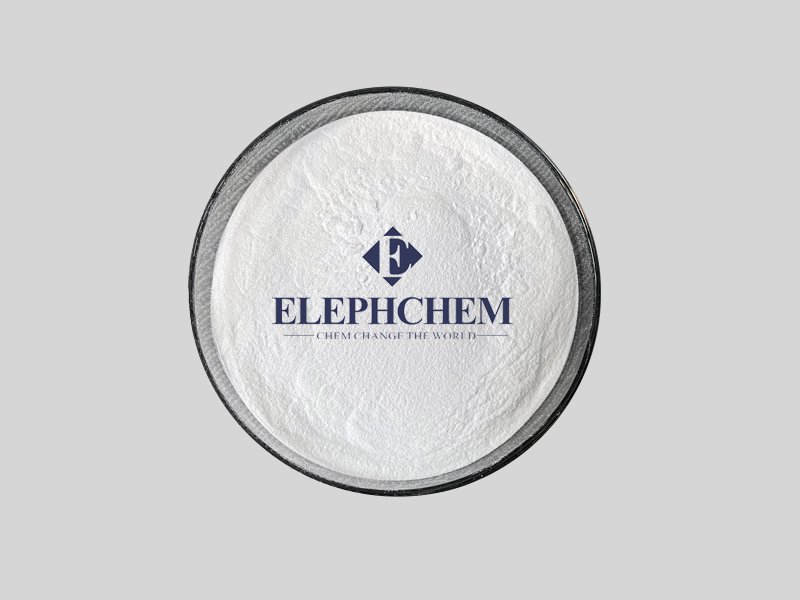
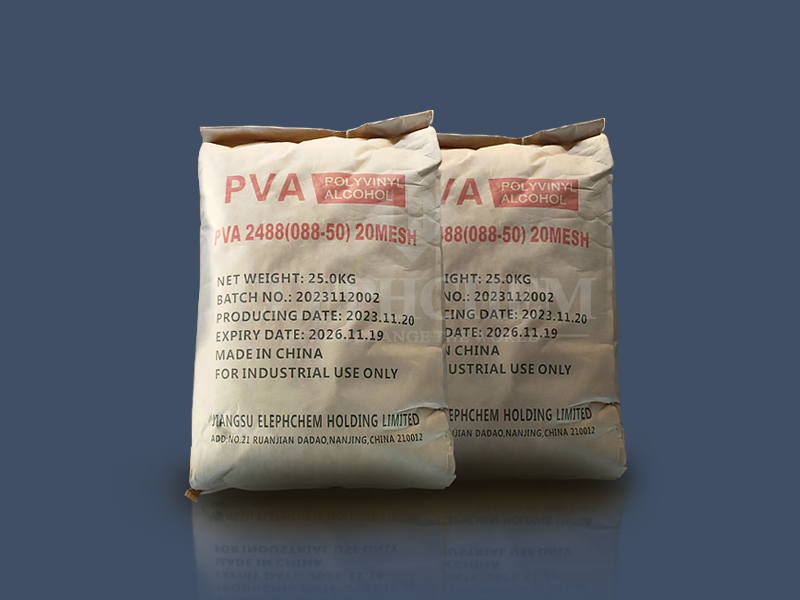
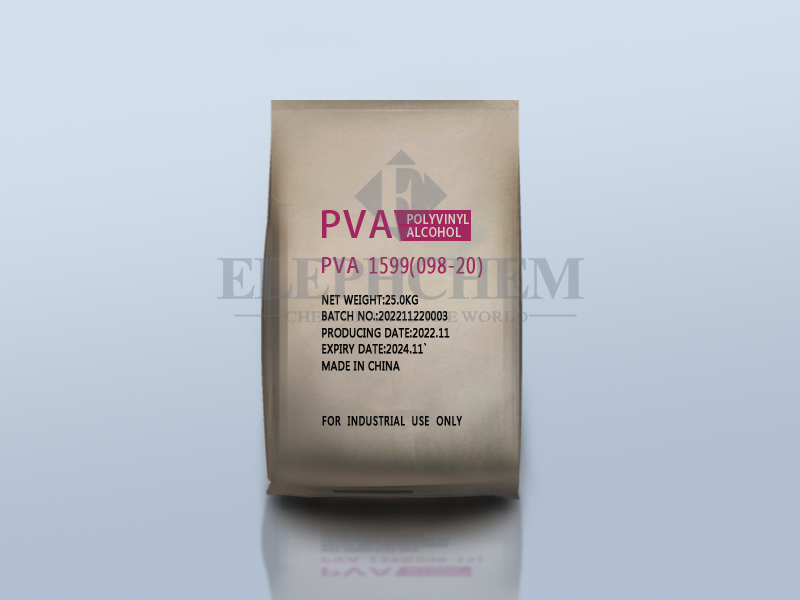
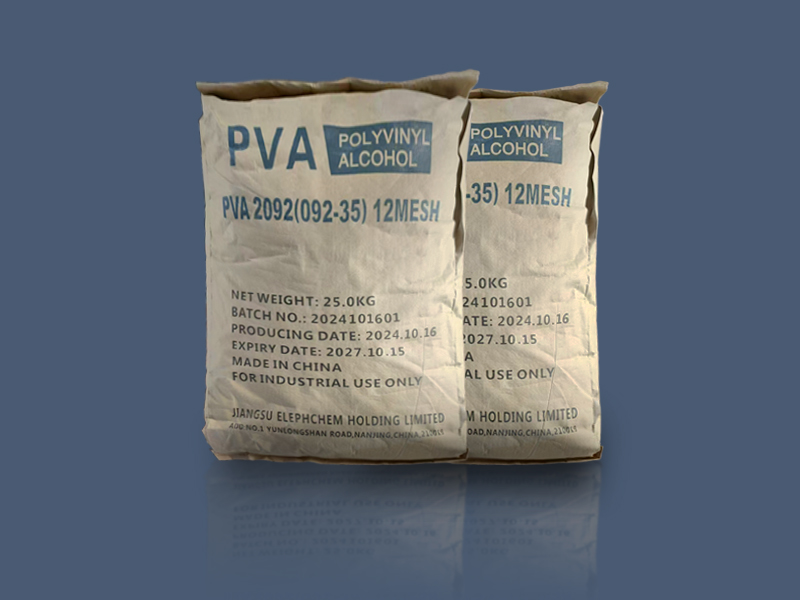
Overview Polyvinyl alcohol (PVA for short), organic compound, white flake, flocculent or powdered solid, non-toxic, tasteless, pollution-free, can be dissolved in 80--90 °C water. Slightly soluble in dimethyl sulfoxide. Its aqueous solution has good adhesion and film-forming properties; It has chemical properties such as esterification, etherification and acetalation of long-chain polyols. It is a water-soluble polymer with a wide range of uses, its performance is between plastic and rubber, and its uses can be divided into fiber and non-fiber two major uses.
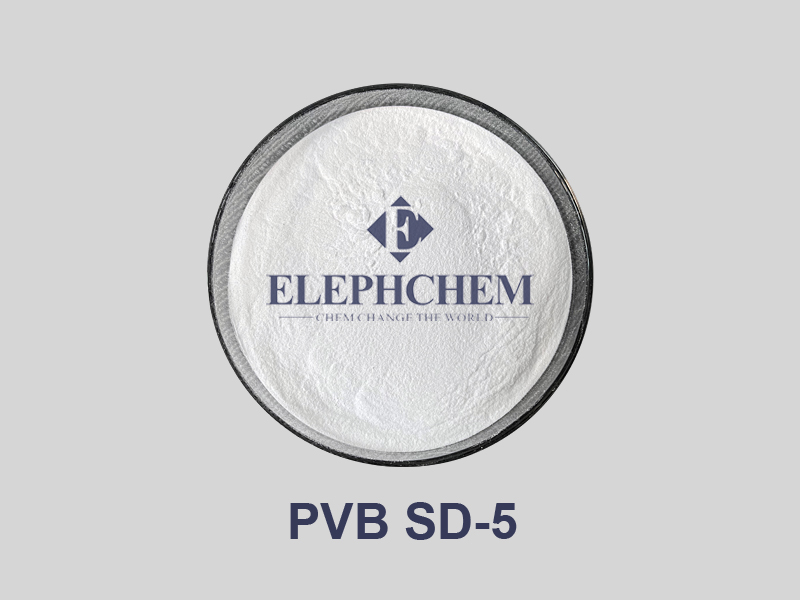
Overview Polyvinyl butyral (PVB for short) is the product of acid catalysis of polyvinyl alcohol and butyraldehyde. Because PVB molecules contain long branched chains, they have good compliance, low glass transition temperature, and high tensile strength and impact strength. PVB has excellent transparency, good solubility, good light resistance, water resistance, heat resistance, cold resistance and film formation. It has high adhesion to materials such as glass and metal (especially aluminum). Therefore, it has been widely used in the manufacture of laminated safety glass, adhesives, ceramic paper, aluminum foil, electrical materials, FRP products, fabric treatment agents and other fields, and has become an indispensable synthetic resin material.
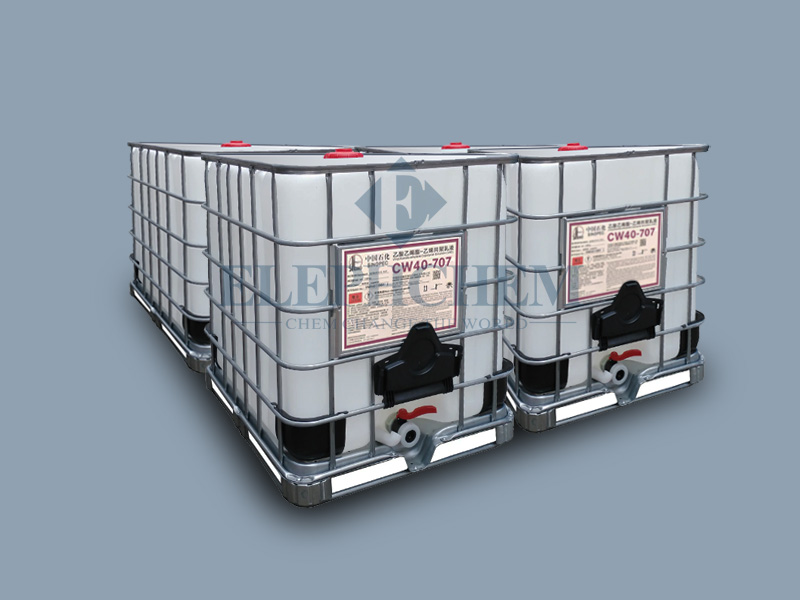
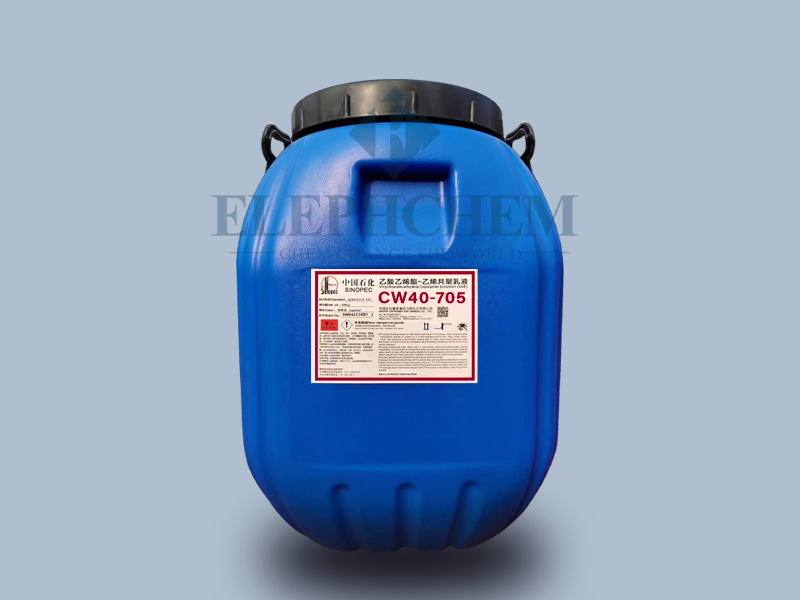
Overview VAE emulsion is short for ethylene acetate-ethylene copolymerization emulsion, which is a polymer emulsion made of ethylene acetate and ethylene monomer as the basic raw materials and other auxiliary materials through emulsion polymerization. Ethylene and vinyl acetate copolymer is the most important product of ethylene copolymer, generally referred to as EVA. Products with ethylene acetate content in the range of 70%~95% are usually in the emulsion state, called VAE emulsions.
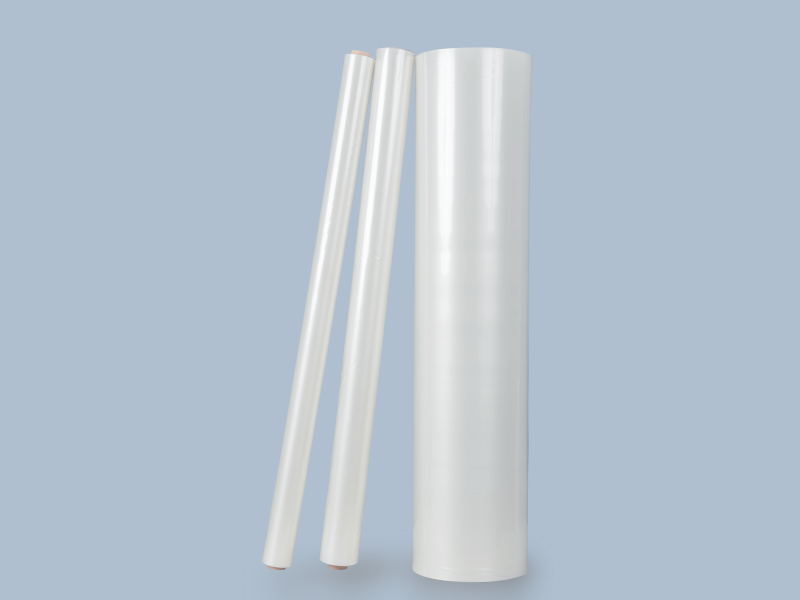
Overview Polyvinyl alcohol film is made of polyvinyl alcohol as the main component, adding additives such as modifiers, and processed by special technology. PVA film is a green functional material that can be degraded into carbon dioxide and water by microorganisms in the soil in a short time which has the effect of improving land conditions.
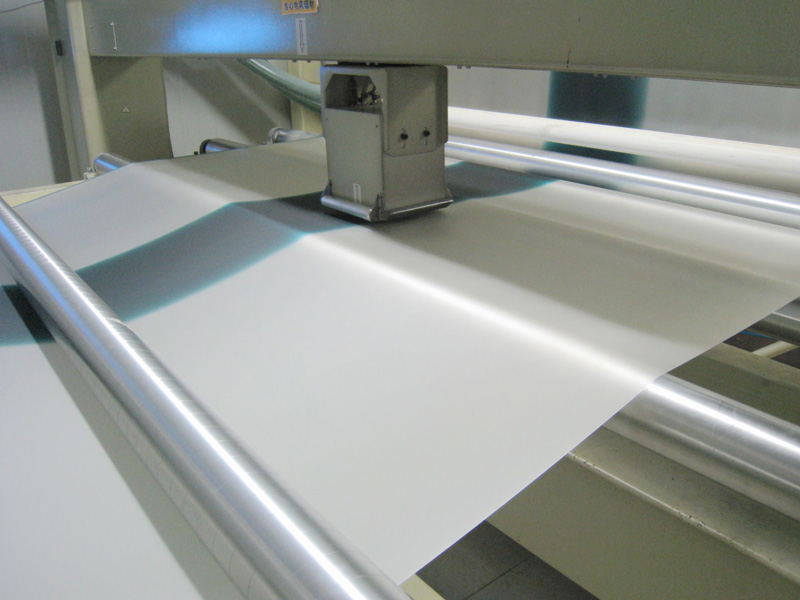
Overview PolyVinyl Butyral Film(PVB film) is also known as PVB interlayer.Its essence is a thermoplastic resin film, which is produced from PVB resin plus plasticizer. Since it is produced from plastic resin, it has the characteristics of recyclable processing and reusability.The appearance is translucent film, no impurities, smooth surface, with a certain roughness and good softness, with the adhesion of inorganic glass, transparent, heat resistance, cold resistance, moisture resistance and high mechanical strength characteristics.
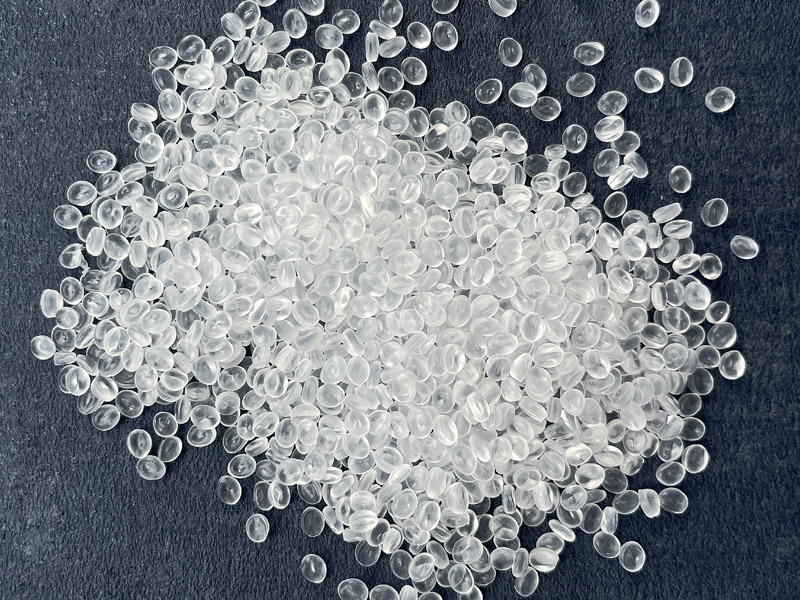
Overview EVA is a thermoplastic copolymer manufactured through the free radical polymerization of ethylene and vinyl acetate in the presence of initiating agents using the high-pressure bulk polymerization process. EVA's properties vary dramatically from one product to another depending on the content of vinyl acetate in the macromolecule. EVAs with different properties are used for different purposes.
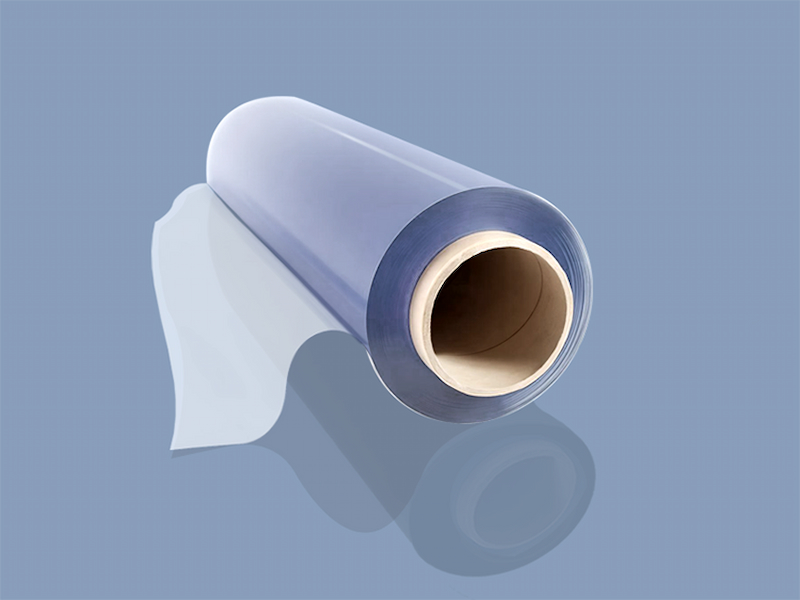
Overview Modified polyvinyl alcohol (PVOH) is graded according to different degrees of polymerization, hydrolysis and copolymerization monomers. The modification of PVA is mainly to use the double bonds, ester groups and the chemical activity of the hydroxyl group after alcoholization of vinyl acetate to change the side chain group or structure, and introduce other monomers to become copolymers dominated by PVA.
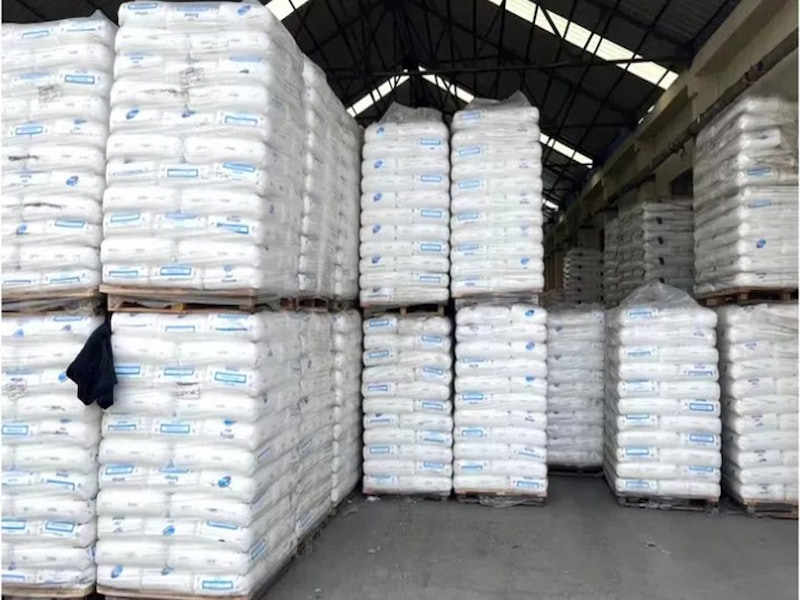
Overview V series EVA resin is produced by advanced high-pressure tubular process, offering excellent transparency, flexibility, thermal adhesion, and stress cracking resistance. It is widely used in various composite materials, foamed products, and industrial modification sectors.
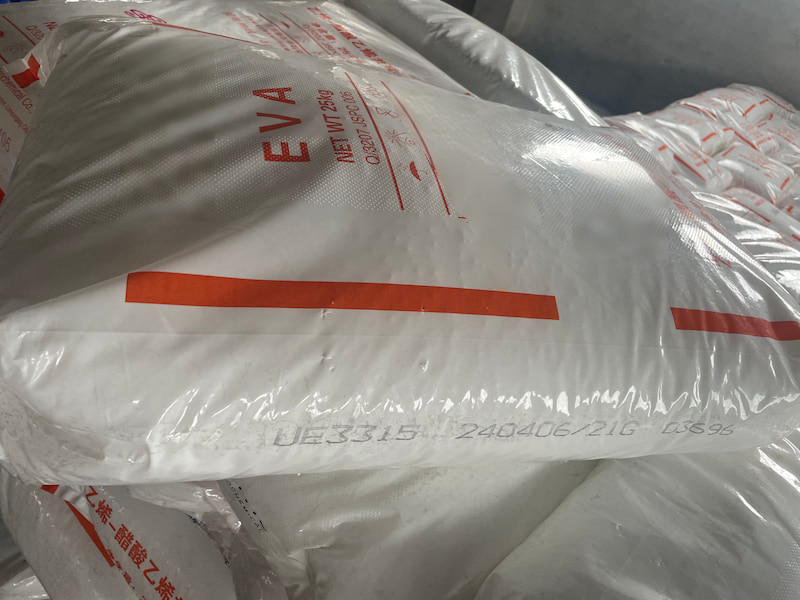
Overview The UE series EVA resin is produced using the high-pressure autoclave polymerization process. Compared with the tubular process, products manufactured via this process offer superior control over molecular weight distribution and enhanced processing stability, making them particularly excellent in hot-melt adhesive applications and high-demand foaming sectors.
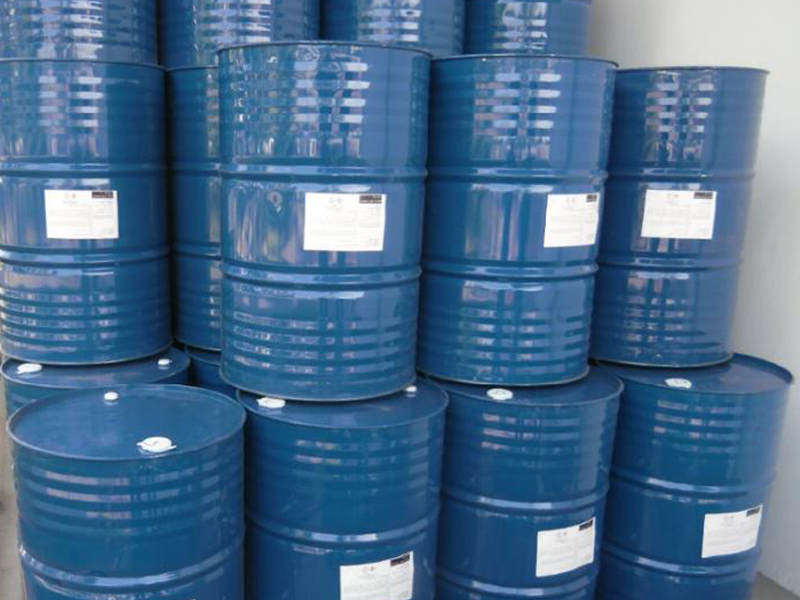
Overview Vinyl Acetate Monomer (VAM) is a colorless flammable liquid with sweet ether flavor. There are several different raw materials such as acetylene method, ethylene method, acetaldehyde acetic anhydride and so on. The route of ethylene raw materials is different according to the process, and there are different methods such as ethylene gas phase method and ethylene liquid phase method.
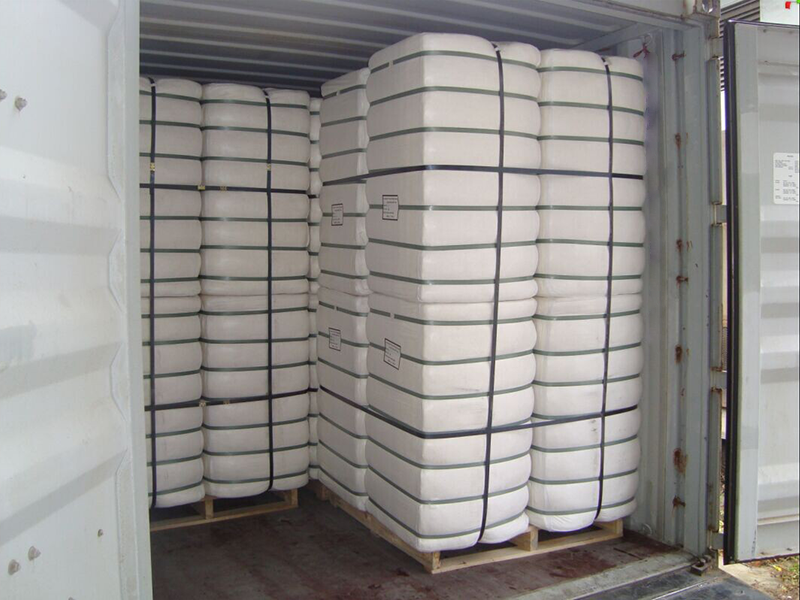
Overview Water soluble PVA fiber is a kind of PVA fiber made from polyvinyl alcohol through wet spinning, heat treatment and crimping-oiling in water at normal temperature. It is good in dry heat stability, physical and mechanical properties. The remarkable characteristic is its total dissolving in water at a range of temperature. This kind of PVA fiber is mainly used in Textile industry for making the yarn and cotton.
Overview High Strength High Modulus PVA Industrial Fiber takes polyvinyl alcohol as its major raw materials. It has good prosperities such as high modulus, high strength, alkali and acid resistance, heat resistance, anti-crack, anti-infiltration and so on. High strength and high modulus PVA fiber also has good compatibility with cement and other macromolecule material and can prevent the microcrack caused by plastic shrinkage of the concrete.
Overview Dispersible polymer powder is a modified emulsion powder obtained by spray drying of a binary or ternary copolymer of vinyl acetate and tertiary vinyl carbonate-VeoVa or ethylene or acrylate, which has good redispersibility, redispersed into an emulsion when in contact with water, and its chemical properties are exactly the same as the initial emulsion.
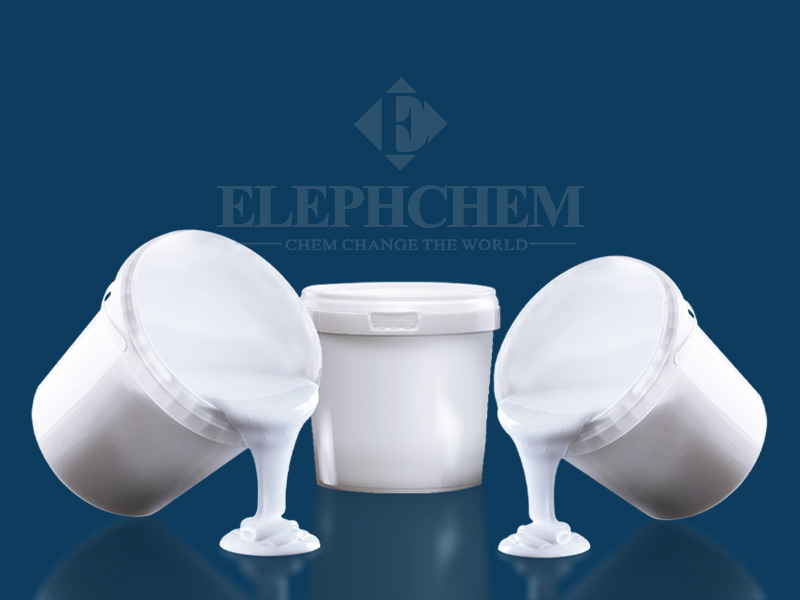
Overview Polyvinyl acetate multipurpose white glue series adopts the latest process and formula to produce water-based adhesives, which have the advantages of high adhesion, fast curing and easy brushing, which effectively solves the problem of low bonding strength and long curing time of white glue, and has good water resistance and moisture resistance after curing.
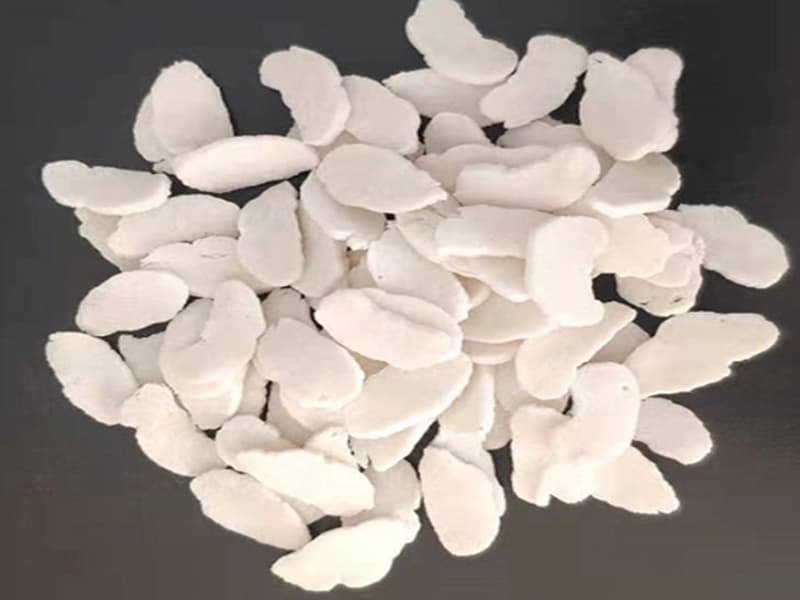
Overview JiangSu ElephChem Holding Limited offers a wide range of chloroprene rubber products, primarily including seven major series: CR244, CR248, CR232, CR121, CR322, DCR213, and DCR114. These products boast a complete range of grades, excellent quality, and outstanding cost-effectiveness. They include slow-crystallizing, cold-resistant rubber series products comparable to those of Denka and ARLANXEO, and have received widespread acclaim from domestic and international customers.
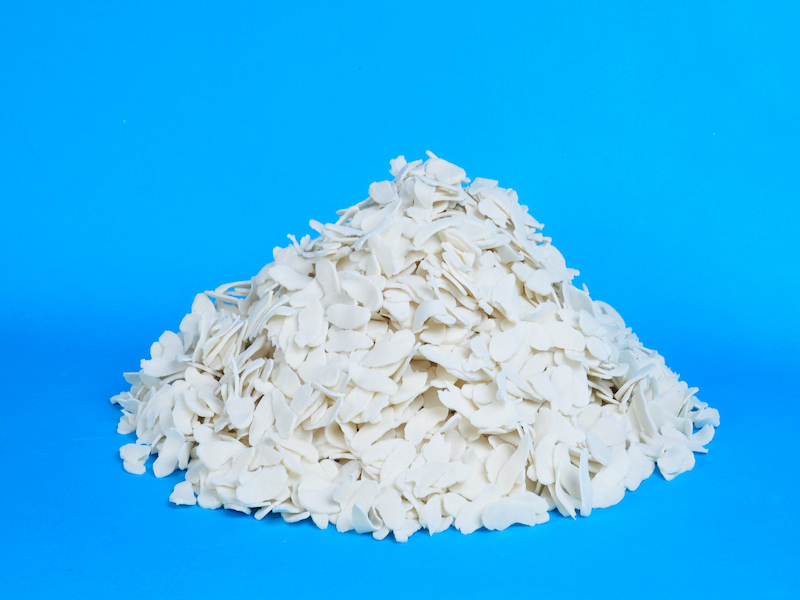
Overview Provided that compounds are are appropriately formulated and processed, the resulting vulcanizates demonstrate excellent resistance to environmental factors such as weather and ozone. Additionally, they exhibit strong resistance to aging, hot air, and various chemicals, as well as adequate resistance to oils and gasoline. Furthermore, these materials possess favorable mechanical and physical characteristics, along with notable abrasion resistance.
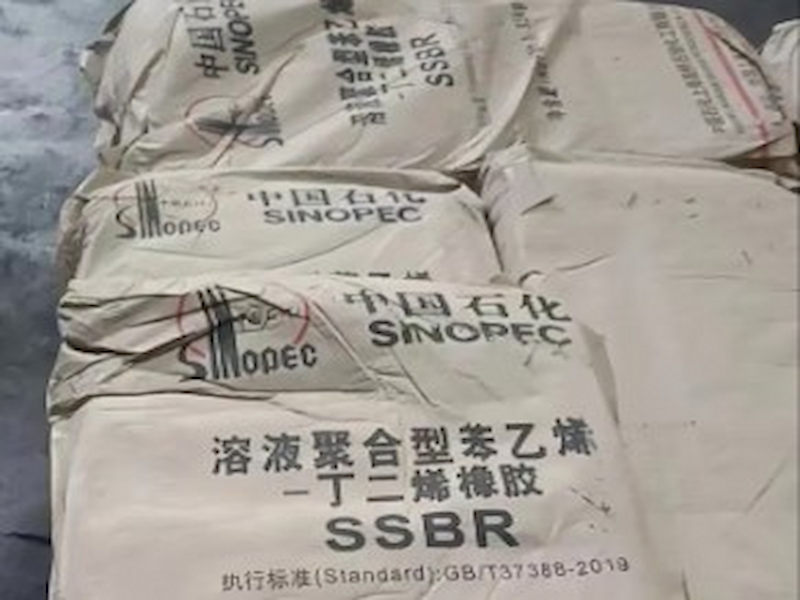
SSBR (Solution Styrene Butadiene Rubber) is a high-performance synthetic rubber product produced by solution polymerization of butadiene and styrene using a lithium catalyst. Distinct from traditional styrene-butadiene rubber (SBR) in its polymerization process, it exhibits superior processing characteristics and physical properties, and has been widely adopted in high-end footwear, adhesives, and other industrial applications.
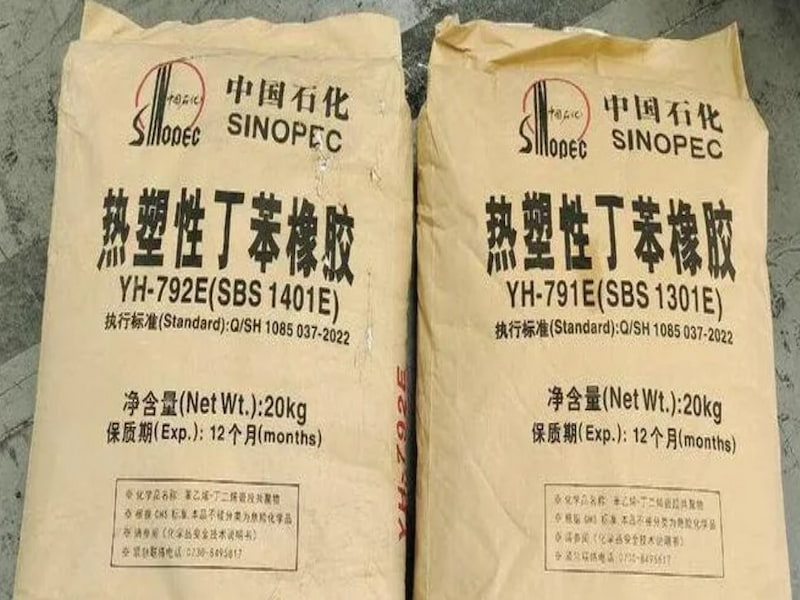
SBS (Styrene Butadiene Styrene Block Copolymer) is a thermoplastic elastomer (TPE) comprised of polystyrene and polybutadiene blocks. It uniquely combines the processability of thermoplastics with the elasticity and resilience of vulcanized rubber, requiring no vulcanization during processing.
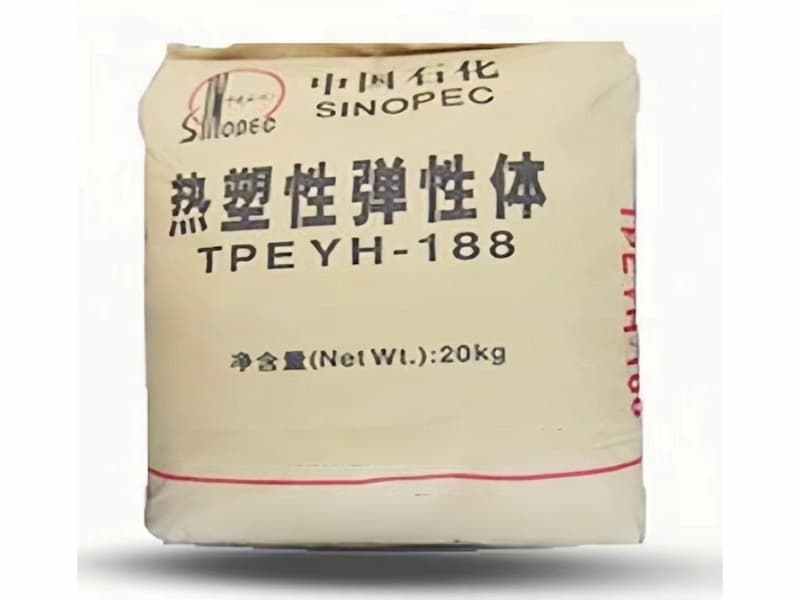
Thermoplastic Elastomer (TPE) is a high-strength, high-resilience thermoplastic elastomeric material featuring excellent processability, easy coloration, and high safety standards. It is widely applied across automotive, aerospace, and medical sectors.
SIS (Styrene-Isoprene-Styrene Block Copolymer) typically features a linear, radial (star), or mixed molecular structure. The radial structure often exhibits superior adhesive performance due to its more regular morphology. Combining the processing characteristics of thermoplastics with the elasticity of vulcanized rubber, SIS is widely used in hot melt pressure-sensitive adhesives (HMPSA), sealants, and modified bitumen for roofing waterproofing membranes.
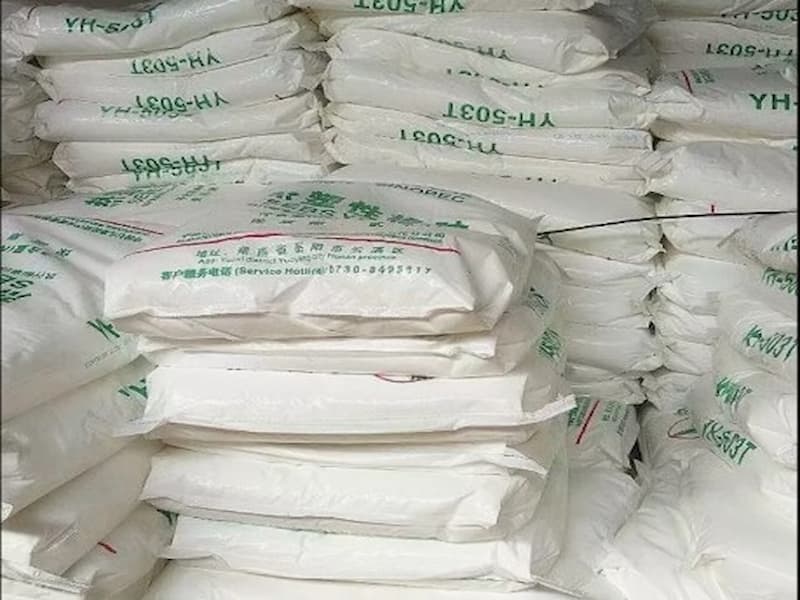
Styrene-Ethylene-Butylene-Styrene (SEBS) block copolymer is a premium thermoplastic elastomer. As the hydrogenated derivative of SBS with a higher 1,2-vinyl structure content, SEBS undergoes a hydrogenation process that almost completely eliminates the C=C double bonds in the butadiene units, forming saturated ethylene-butylene mid-blocks. This structural saturation significantly reduces degradation caused by oxygen, ozone, and UV radiation. Consequently, SEBS polymers exhibit elevated service temperatures, superior oxidation resistance, enhanced creep resistance, and excellent compression set performance.
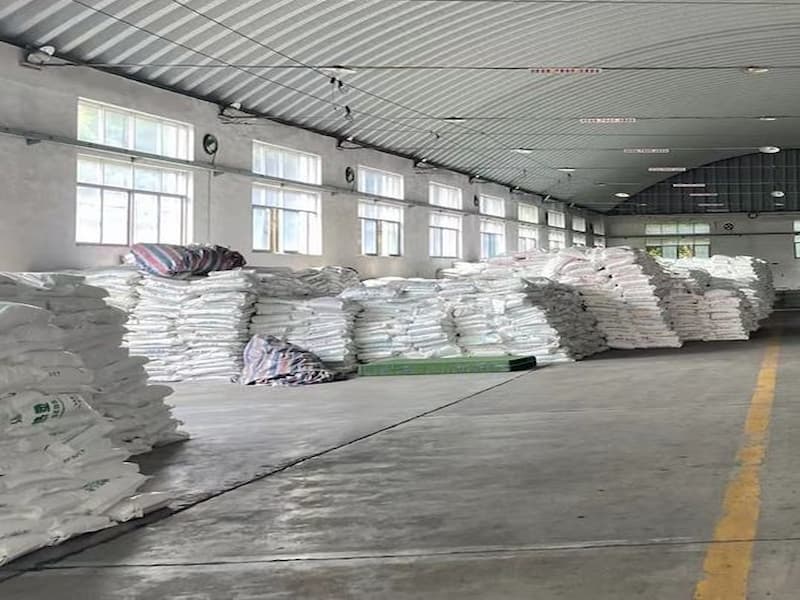
Styrene-Ethylene-Propylene-Styrene (SEPS) block copolymer is a hydrogenated styrene block copolymer (HSBC) belonging to the thermoplastic elastomer (TPE) family, represented by the general formula S-EP-S. In its molecular architecture, the terminal polystyrene (PS) blocks act as physical cross-links through microphase separation, while the central ethylene-propylene (EP) copolymer block imparts rubbery elasticity to the polymer matrix.
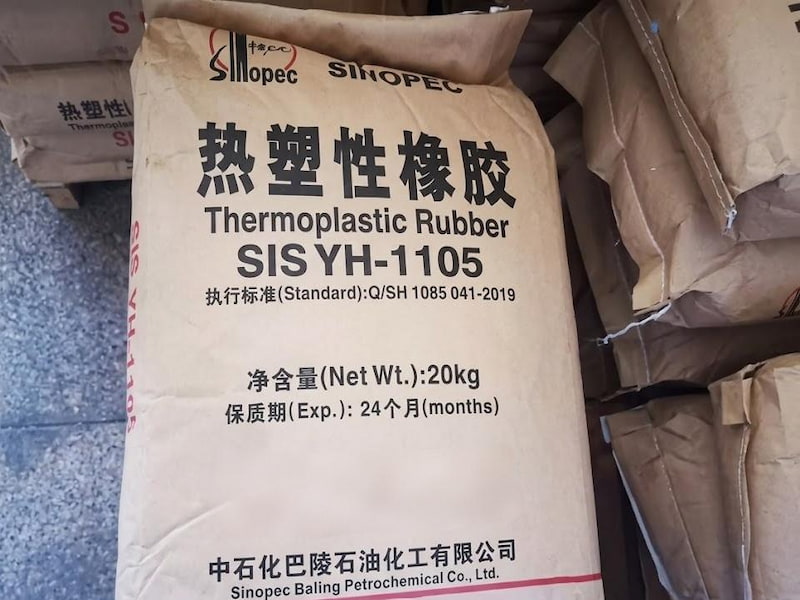
SIS YH-1105 is a linear styrene-isoprene-styrene block copolymer with a styrene content of 15% and an SI content of 0%. It features a tensile strength of 13 MPa and a Shore A hardness of 41, providing a balanced mechanical profile within the SIS product range. Its volatile matter content is controlled at ≤0.7 wt%, and it is supplied as white fluffy particles.
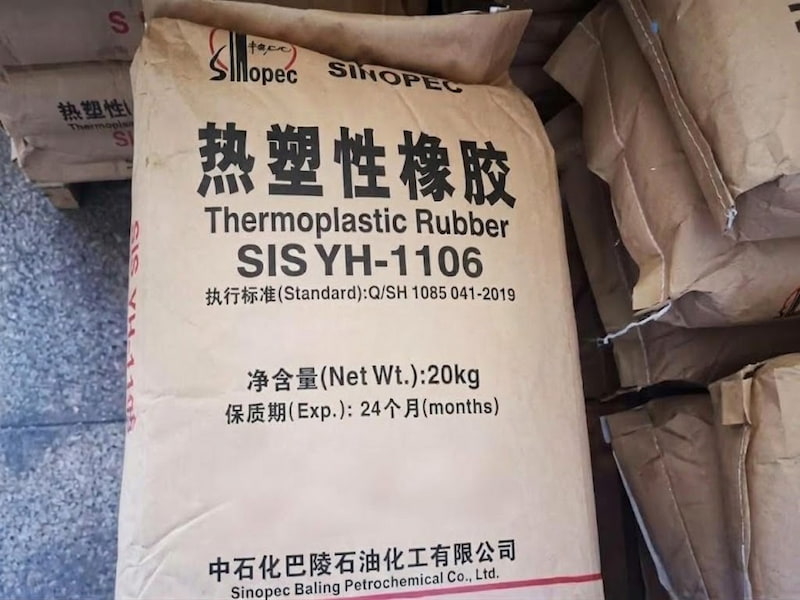
SIS YH-1106 is a linear SIS copolymer containing 16% styrene and 17% SI, with a tensile strength of 10 MPa and a Shore A hardness of 40. Its melt flow rate reaches 11 g/10 min under a test condition of 200°C/5 kg, while the toluene solution viscosity is 900 mPa·s at 25°C. These parameters distinguish YH-1106 through its combination of moderate hardness, defined tensile strength, and relatively high melt flow. The grade has a volatile matter content of ≤0.7 wt% and is available in white fluffy particle form.
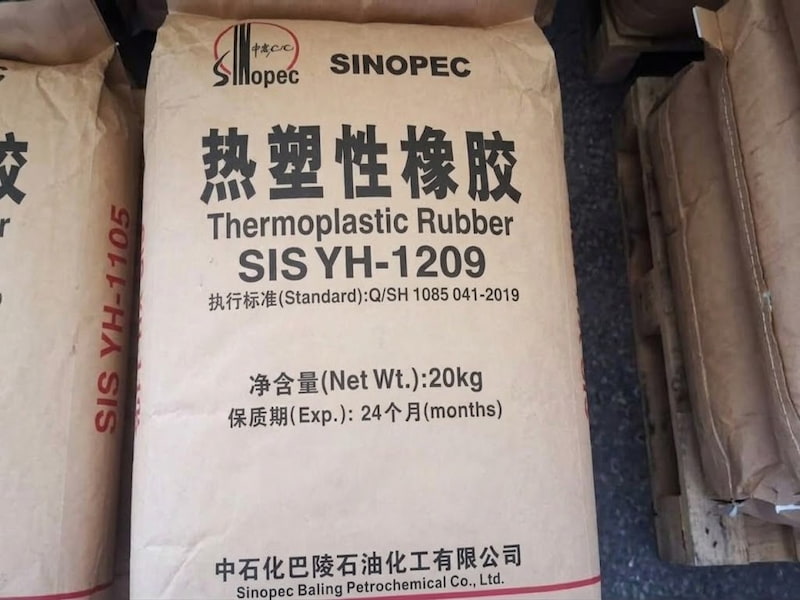
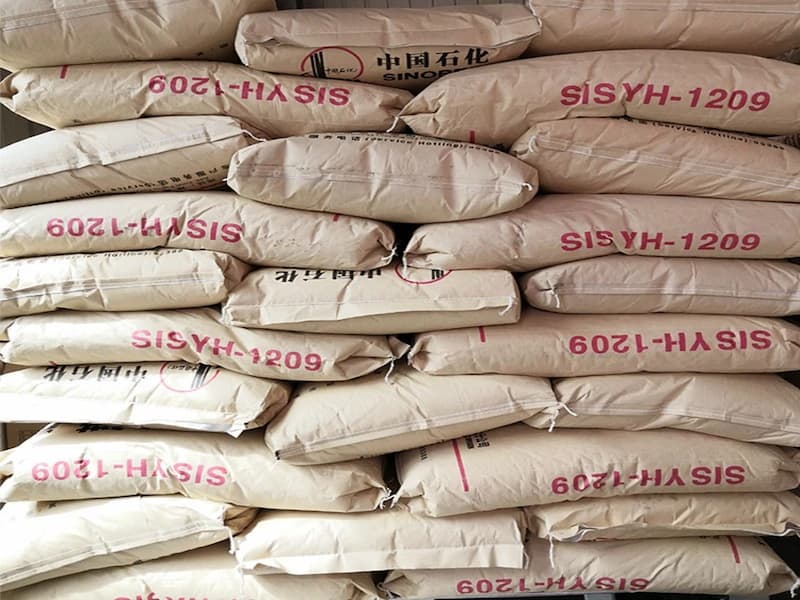
SIS YH-1209 is styrene - isoprene block copolymer in the form of white porous particle, with features of good thermo-plasticity, high elasticity, good melt fluidity, good compatibility with tackifying resin, safe and non-toxic. It delivers a tensile strength of 15 MPa and a Shore A hardness of 61, distinguishing it with a comparatively firm profile. It can be applied to the hot-melt pressure-sensitive adhesives, solvent cements, flexible printing plates, plastics and asphalt modification.
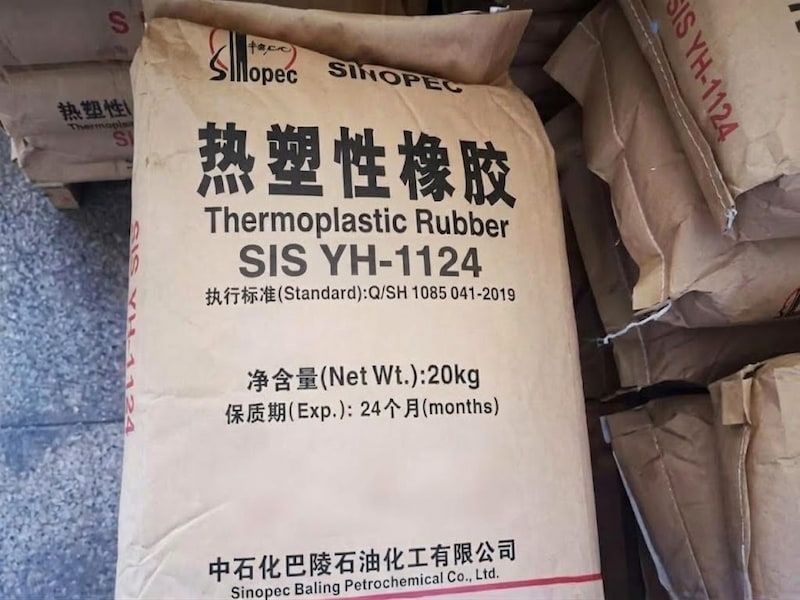
SIS YH-1124 is a linear SIS grade with 14% styrene and 24% SI content. It has a tensile strength of 8 MPa and a Shore A hardness of 38, maintains dependable initial tack and clean slitting properties. YH-1124 is in the form of white Fluffy particle, with features of good thermo-plasticity, high elasticity, good melt fluidity, good compatibility with tackifying resin, safe and non-toxic.
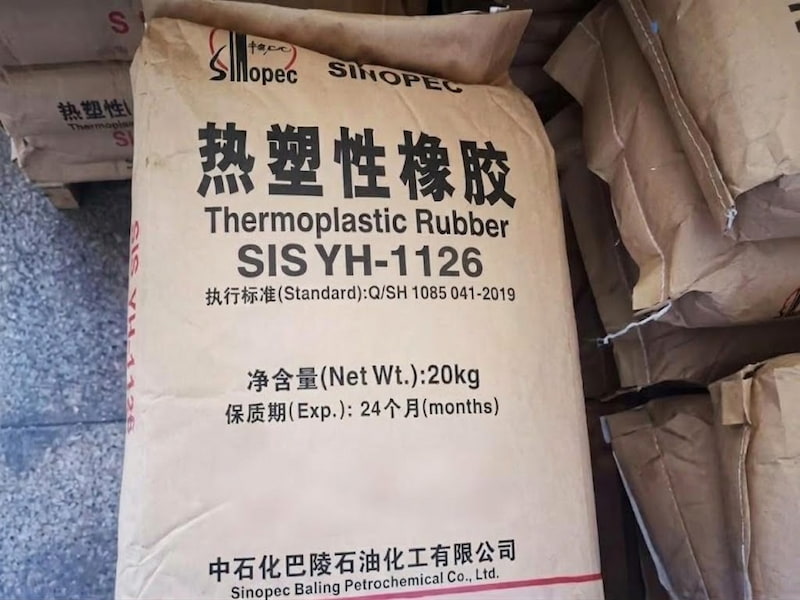
SIS YH-1126 is a linear styrene-isoprene-styrene block copolymer characterized by a styrene content of 16% and an SI content of 50%. It has a tensile strength of 5 MPa and a Shore A hardness of 38, representing a relatively low-strength, soft grade. It has medium molecule weight and high diblock content, with good melt processability.
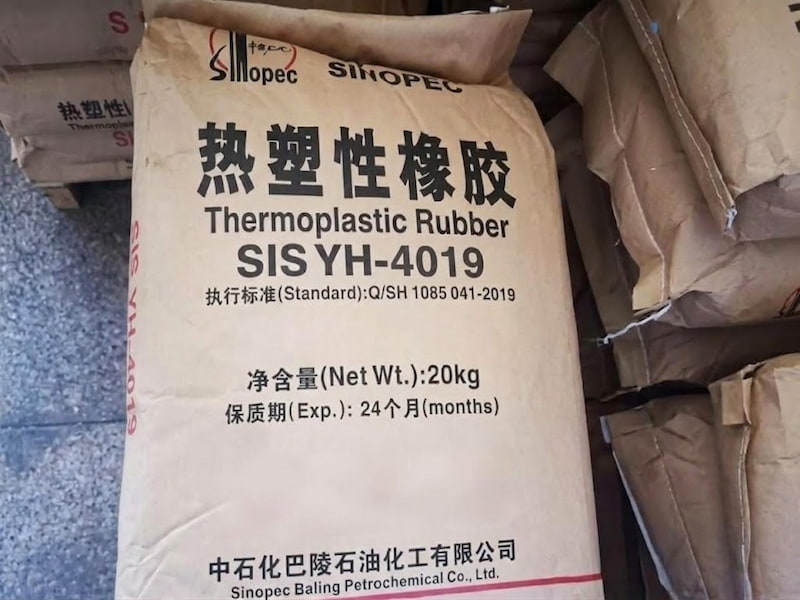
SIS YH-4019 is a radial styrene-isoprene-styrene block copolymer containing 19% styrene and 30% SI. The high content of styrene provides it with higher cohesive strength, low viscosity, outstanding holding power, and excellent heat-resistance. It can be used to produce packaging bags, sanitation supplies, double-sided adhesive tapes and labels.
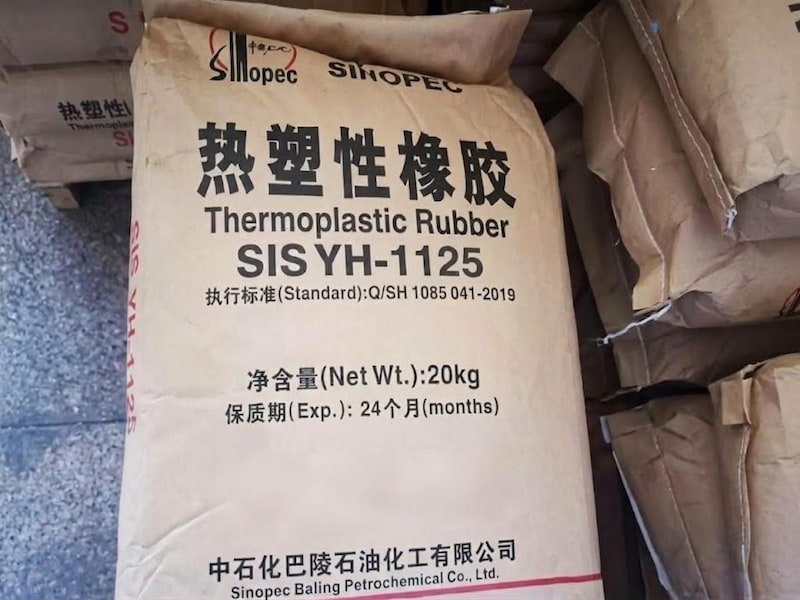
SIS YH-1125 is a radial styrene/isoprene block copolymer. It formulated with 25% styrene content and 25% SI diblock fraction, characterized by a Shore A hardness of 54 and a tensile strength of 10 MPa. Demonstrating an MFR of 9 g/10min and a toluene solution viscosity of 500 Mpa.s, it offers high structural strength, balanced rubbery elasticity, and reliable chemical stability.
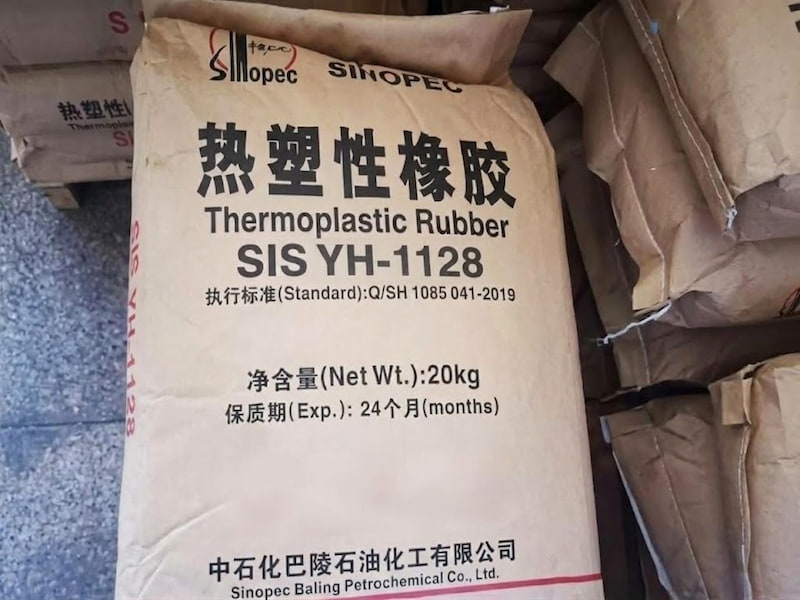
SIS YH-1128 is a highly fluid, linear styrene/isoprene block copolymer featuring a high melt flow rate of 23 g/10min and a moderate toluene solution viscosity of 600 Mpa.s, with 15% styrene and 38% SI diblock content. With a tensile strength of 12 MPa and Shore A hardness of 38, it ensures ultra-fast melt processing, superior pumping throughput, and excellent low-temperature ductility.
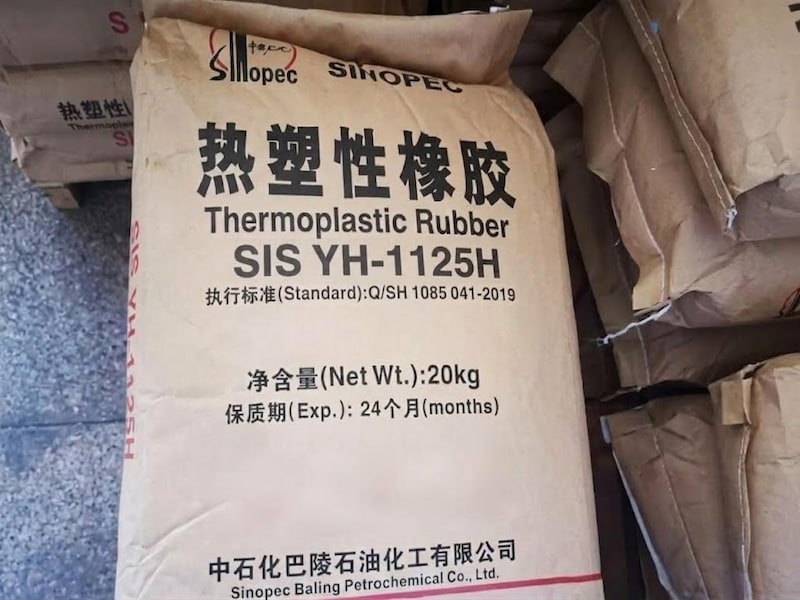
SIS YH-1125H is a high-styrene linear SIS grade incorporating 30% bound styrene and 25% SI diblock fraction, resulting in a high Shore A hardness of 60 and tensile strength of 13 MPa. With an MFR of 12 g/10min and a remarkably low solution viscosity of 250 Mpa.s, it yields high modulus, superior creep resistance, and low solution processing energy consumption.
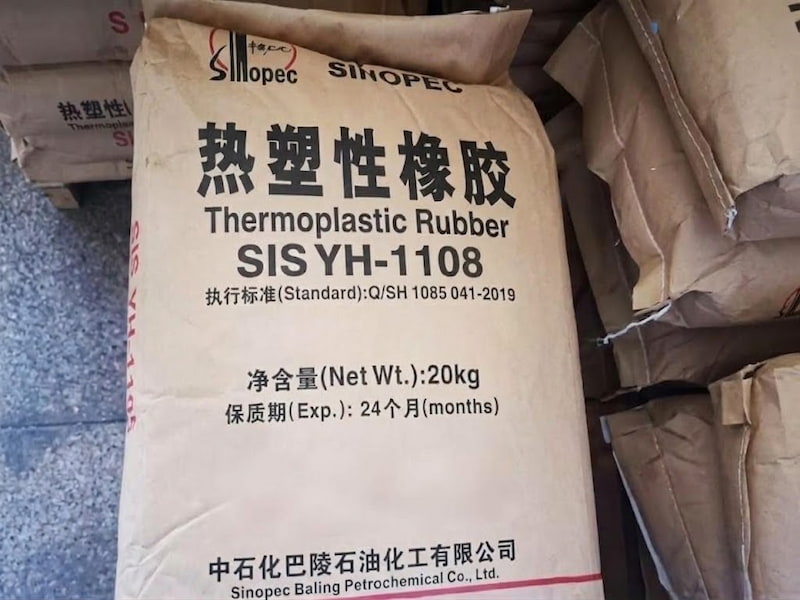
SIS YH-1108 is a linear SIS polymer containing 16% bound styrene and 20% SI diblock content, presenting a Shore A hardness of 40 and a tensile strength of 10 MPa. Defined by an MFR of 13 g/10min and a toluene solution viscosity of 850 Mpa.s, it offers optimal melt rheological properties, smooth surface extrudability, and balanced elastic recovery.
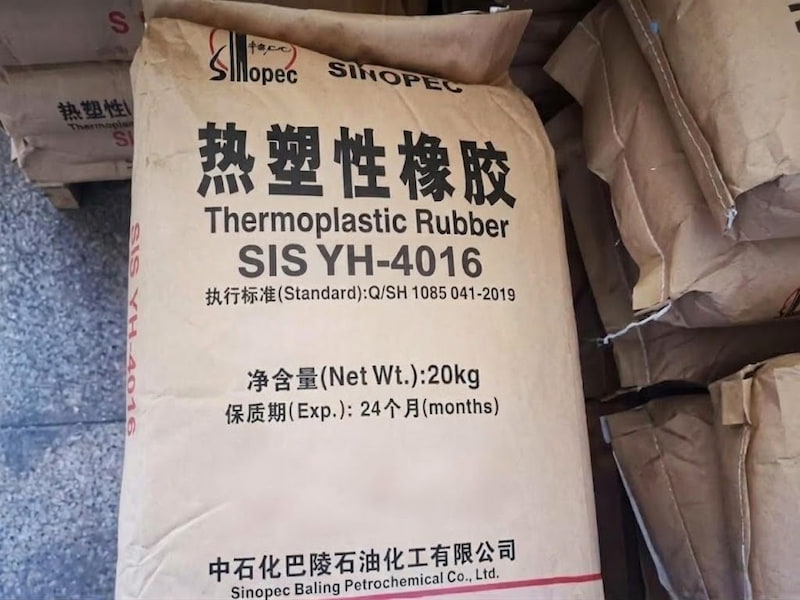
SIS YH-4016 is a radial SIS block copolymer featuring an ultra-high SI diblock content of 75% and 18% styrene content, producing a highly fluid grade with an MFR of 23 g/10min and a toluene solution viscosity of 500 Mpa.s. It provides extreme molecular flexibility, excellent melt flowability, and exceptional tackifying compatibility.
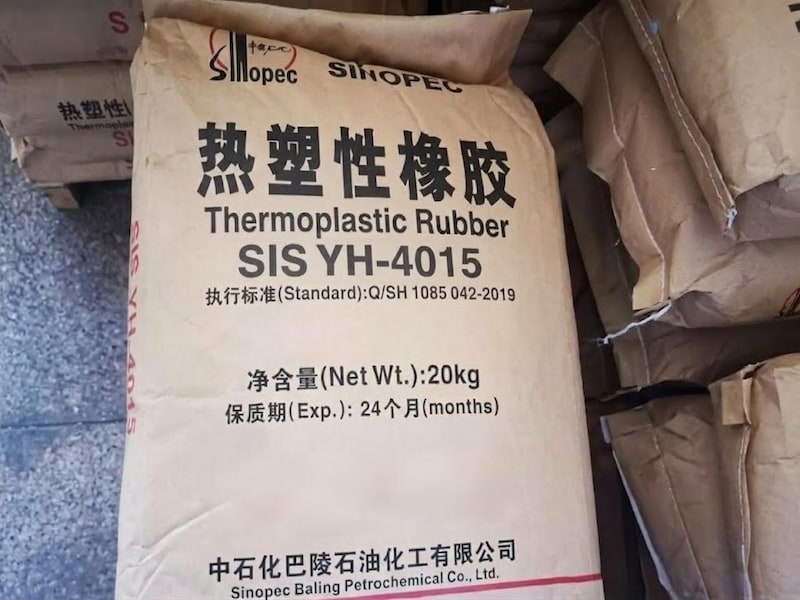
SIS YH-4015 is a hybrid-structured styrene-isoprene-styrene (SIS) thermoplastic elastomer formulated with 15% bound styrene and 15% SI diblock fraction, it combines the structural benefits of linear and radial architectures for stable melt processing and high structural cohesive resistance.
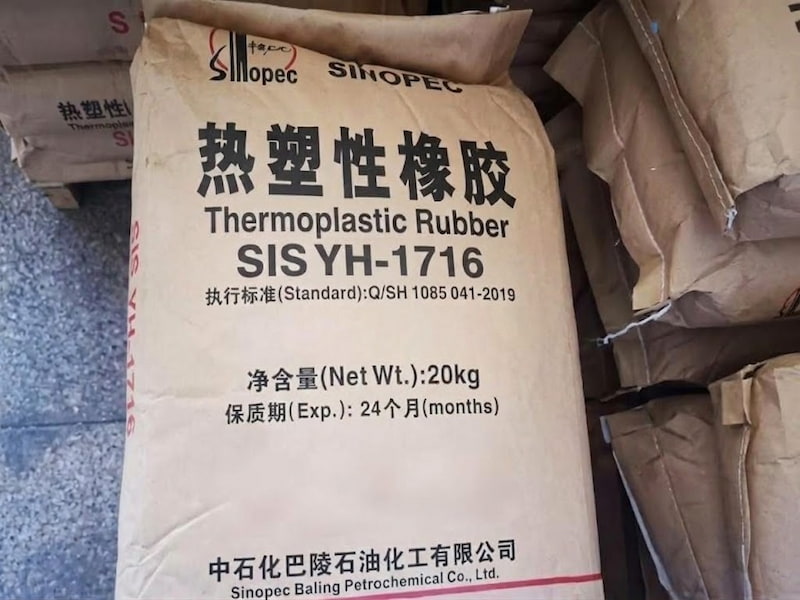
SIS YH-1716 is a linear SIS grade characterized by a high SI diblock content of 62% and 17% bound styrene, yielding a soft hardness of Shore A 35 and an MFR of 5 g/10min. It exhibits low modulus, high permanent elongation recovery, and excellent melt film-forming properties. SIS YH-1716 could be used in pressure sensitive adhesive and asphalt modification with good heat resistance.
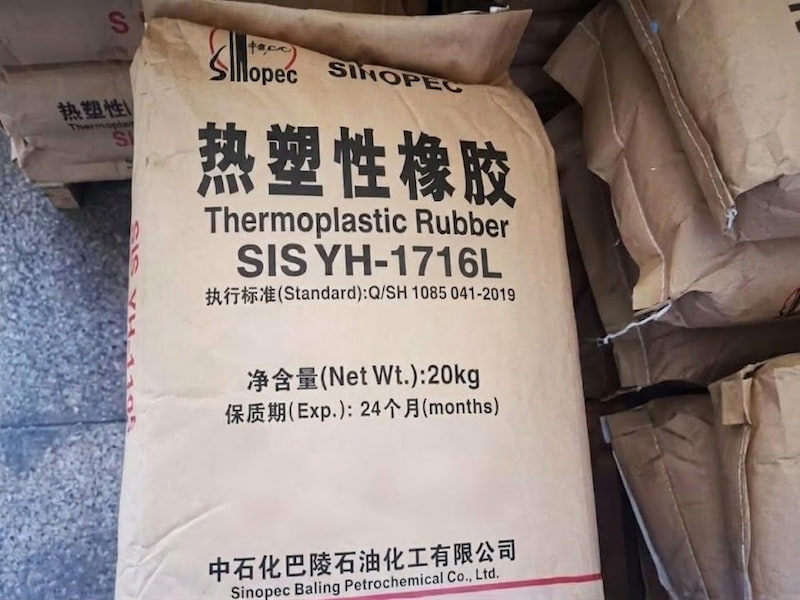
SIS YH-1716L is a low-viscosity variant of linear SIS, designed with an elevated SI diblock content of 66% and 16% styrene, displaying a soft Shore A hardness of 30 and an MFR of 7 g/10min. Its solution viscosity of 1250 Mpa.s paired with a tensile strength of 2.3 MPa offers maximum elastic softness, high melt wettability, and superior low-temperature performance.
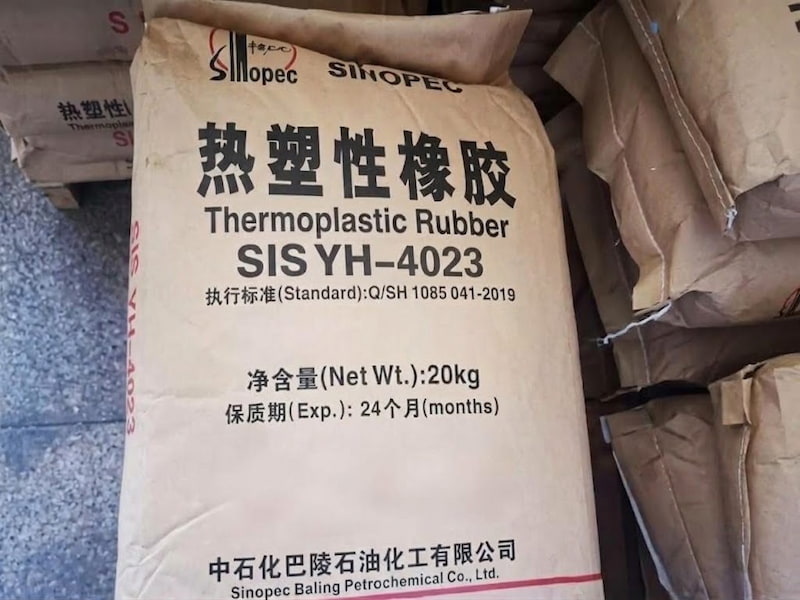
SIS YH-4023 is a linear SIS polymer structured with 23% styrene content and 20% SI diblock fraction, boasting a solid Shore A hardness of 52 and a tensile strength of 12 MPa. It delivers strong mechanical toughness, high melt strength, and superior thermal-oxidative stability during processing.


 IPv6 network supported